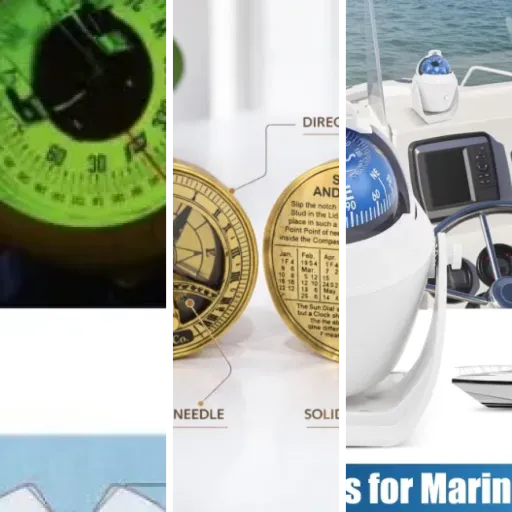

Summary
Editor's rating
Value for money: not cheap plastic, but priced like real safety gear
Design: compact, readable, and clearly made for a moving boat
Materials and build: all plastic, but tougher than it looks
Durability: built to live in a wet cockpit, not in a glass case
Performance on the water: stable, accurate enough, and easy to use
What you actually get with this Nautos / Plastimo Iris 50
Pros
- Very easy to read and use while still looking at the target, even on a moving boat
- Lightweight, floating plastic body that handles salt, drops, and general cockpit abuse well
- Stable, accurate enough card that settles quickly, making real navigation work practical
Cons
- Price is higher than many basic compasses, which may feel steep for casual users
- Lanyard attachment could be more robust; adding your own better cord is almost mandatory

Specifications
View full product page →| Brand | Nautos |
A simple compass that actually belongs on a real boat
I’ve been using the Plastimo Iris 50 (sold here under the Nautos name) for a while now on a small sailboat and a kayak, and I’ll be blunt: this is not a gadget, it’s proper basic navigation gear. It’s the kind of tool you buy once and then forget about, in a good way, because it just rides in the pocket of your foul-weather jacket or in the cockpit bin and does its job every time you grab it. No apps, no batteries, no menus — just a floating, hand-bearing compass that you can actually read while the boat is moving around.
My context: I already have a fixed bulkhead compass on the boat and I use a GPS plotter and phone apps. I didn’t buy the Iris 50 to replace electronics, but to have something reliable when the electronics are off, wet, or just not convenient. For coastal sailing, taking bearings on buoys, headlands or other boats, this kind of handheld compass is still very useful. If you only sail in perfect weather and follow the shoreline by eye, it might feel overkill. If you actually care where you are on a chart, it starts to make sense.
Out of the box, it feels very different from the cheap plastic compasses you get in outdoor starter kits. The housing is compact but not toy-like, and the first thing I noticed is how stable the card is when you move it around. On a small choppy boat that matters a lot. It’s not magic — it still swings — but it settles quickly enough that you can grab a bearing without fighting it for 30 seconds.
Overall first impression after a few outings: it’s a simple, focused tool. It’s not trying to do ten things. It takes bearings, it’s readable in low light, and it doesn’t feel fragile. It’s not cheap for a plastic compass, but compared to how long these things usually last if you don’t abuse them, I’m not shocked by the price.
Value for money: not cheap plastic, but priced like real safety gear
Price-wise, the Iris 50 / Nautos hand-bearing compass sits clearly above the random no-name compasses you find online, and below the fancy high-end instruments. For what is essentially a plastic floating compass, some people will look at the price and think "too expensive". I get that reaction. But after actually using it and comparing it to cheaper options, I’d say you’re paying for reliability and usability, not just the materials.
Here’s how I see it: a hand-bearing compass is safety gear, not a toy. If it fails when you’re in fog or trying to figure out if you’re on a safe course, it’s more than just an annoyance. I’ve owned cheaper compasses that developed bubbles, sticky cards, or unreadable windows after one or two seasons. That’s false economy. The Iris 50 has a long track record and the user reviews (4.8/5 with a good number of ratings) align with my impression: it just works, year after year, as long as you don’t do anything stupid with it.
Compared to using only a phone or GPS, I see this as a backup and cross-check. Electronics can die, get wet, or just be awkward to use in bright sun or heavy rain. A simple, robust hand compass doesn’t care about battery or software updates. For the cost of a few marina nights or one tank of fuel, having that extra layer of reliability seems reasonable to me. If you sail regularly, the cost spread over several seasons is minor.
Would I recommend it to a casual kayaker who goes out three times a year on a small lake? Probably not — for that use, it’s overkill and a cheaper, basic compass will do. But for people who actually navigate on coastal waters and use charts, I think the value is good. It’s not a bargain, but it’s fair for what it delivers: a proven, easy-to-use hand-bearing compass that you’re likely to keep for a long time.
Design: compact, readable, and clearly made for a moving boat
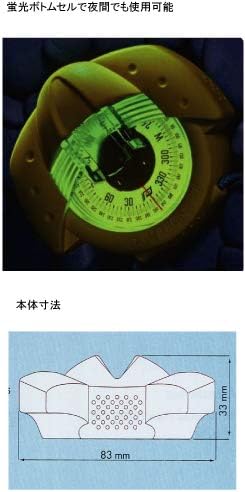
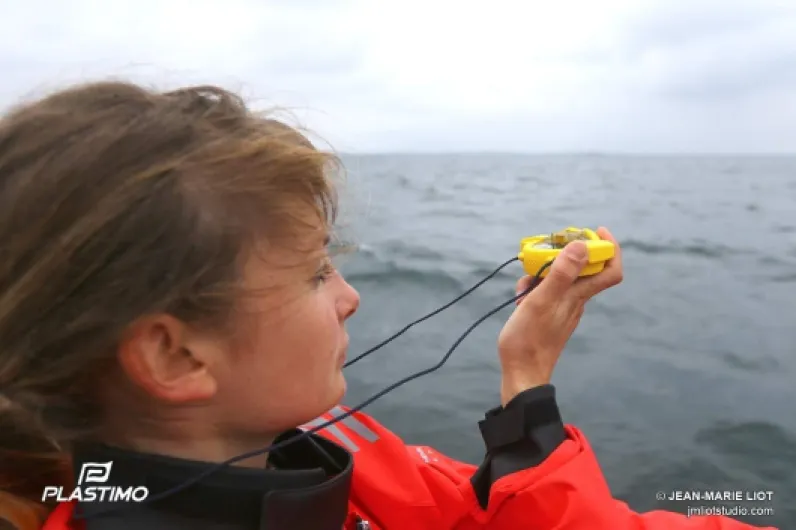
Design-wise, the Iris 50 is pretty no-nonsense. It’s a small, rounded plastic body that fits well in the hand. The version I’ve used is bright yellow, which at first I thought looked a bit cheap, but after nearly dropping it overboard once, I was very happy it’s not dark or camouflaged. If it goes in the drink, at least you’ve got a chance of spotting it. The shape is not symmetrical like a hiking compass; it’s clearly made to be held up to the eye with one hand, and the viewing system lets you see both the target and the bearing at the same time.
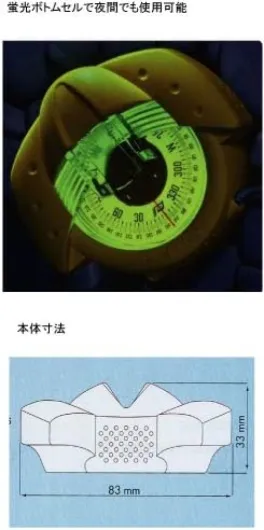
The readability is one of the main strong points. The card has clear, high-contrast markings, and even when the boat is bouncing around you can usually grab a bearing within a couple of seconds. The sighting system lets you keep both eyes open, which is less tiring and feels more natural than squinting through a tiny viewfinder. At dusk, the markings are still visible enough to use, and on some versions there’s provision for a small light source, although I mostly just use a headlamp. It’s not as bright as a fully lit cockpit compass, but for a handheld, it’s decent.
The overall ergonomics are solid. There’s no sharp edges, and it’s easy to grab even with cold or slightly wet hands. I’ve used it wearing light sailing gloves and could still operate it without issues. The balance is good: because it’s light, you don’t get wrist fatigue, but it’s not so featherweight that every small movement sends the card swinging wildly. It does move, obviously, but it settles reasonably fast. The only design nitpick I have is that the lanyard attachment could be a bit more robust or reinforced — I added my own stronger lanyard because losing a compass overboard due to a flimsy cord would be irritating.
Overall, the design is functional rather than pretty. It doesn’t look like a collector’s brass compass, it looks like what it is: a plastic tool meant to work in real use. On a boat, that’s exactly what I want. It’s easy to spot, easy to hold, and easy to read. No fancy design tricks, just practical choices that make sense when you’re on the water and possibly slightly stressed.
Materials and build: all plastic, but tougher than it looks
The spec sheet says it clearly: material: plastic, made in China, weight 0.1 kg. On paper that might sound a bit cheap, especially if you’re used to heavy brass or metal instruments, but in practice the plastic build makes sense. On a boat, metal adds weight, can corrode, and sinks like a stone. Plastic here means: light, doesn’t rust, and if it ends up in the water, you have a better chance of retrieving it. After using it in salty, wet conditions, I’d say the plastic choice is pragmatic rather than cost-cutting.
The housing feels dense and well-moulded. I’ve dropped it twice: once on the cockpit floor and once onto a pontoon. In both cases, no cracks, no leaks, and the card still swings smoothly. The transparent parts don’t scratch instantly either — I’m not saying they’re indestructible, but after being in the same pocket as a knife and a few shackles for a couple of trips, they’re still clear enough to read without annoyance. That’s more than I can say for some cheap compasses I’ve had where the window looked cloudy after one season.
The internal mechanism, from what I can tell, is well-damped. The liquid filling hasn’t shown any bubbles so far, and the card movement is smooth. Bubbles are usually what kills cheap compasses after a year or two, especially if they bake in the sun. I’ve left this one in the cockpit under a sprayhood on a hot day and didn’t notice any issues afterwards. Obviously I can’t speak for ten years of use yet, but so far nothing points to weak internal materials.
If you’re expecting heavy-duty metal and glass, you’ll be disappointed — that’s not what this product is. But as a marine tool, the all-plastic approach is logical. It’s light, resistant to corrosion, and can take a few knocks. For the price, I think the build quality sits in the “pretty solid” category. Not luxury, not cheap junk, just decent materials chosen for a wet, salty environment.
Durability: built to live in a wet cockpit, not in a glass case
Durability is where I was a bit skeptical at first, because “lightweight plastic compass made in China” can mean anything from solid to pure junk. After using it in real conditions — salt spray, occasional drops, banging around in a pocket — I’m more confident in it. The body doesn’t flex or creak, the seams look well sealed, and so far there’s been no sign of leaks or bubbles inside the capsule. That’s usually the first thing that kills a cheap compass: micro-leaks and air bubbles after a season in the sun.
I’ve had it rolling around the cockpit on a short but bumpy passage, and it survived with just a couple of minor scuffs. The transparent parts didn’t scratch badly, and the markings on the card are still crisp. I wouldn’t treat it like a hammer, but it feels like it can handle normal abuse on a small boat: drops on hard plastic, hitting against metal fittings, and being grabbed with salty, sandy hands. The manufacturer warranty is 2 years, which is not huge, but combined with the user feedback (long-time owners saying theirs has lasted for years), it suggests the basic design has been proven.
One thing I do recommend is to add your own decent lanyard and maybe a small float if you’re really paranoid. The compass itself floats, but if it goes overboard in waves, you still need to spot it quickly. I also rinse it with fresh water after trips with a lot of spray — that’s just basic care, and it helps any piece of gear last longer in saltwater. So far, no discoloration, no cracks, and the liquid is still clear.
Is it indestructible? No. If you slam it hard enough or leave it baking behind glass in a car all summer, you’ll probably manage to damage it. But for normal boating use, stowed in a pocket or cockpit bin, I’d rate the durability as pretty solid. It feels like the kind of thing you can keep for many seasons as long as you don’t actively abuse it or lose it overboard.
Performance on the water: stable, accurate enough, and easy to use
Let’s talk about what matters: does it actually help you navigate? In my use, yes. I’ve compared the Iris 50/Nautos against my fixed bulkhead compass and a GPS heading several times. Bearings are consistent, within a few degrees, which is more than enough for coastal work. If there’s a difference, it’s usually due to how I’m holding it or boat motion, not the instrument itself. On a calm day it’s very easy to grab repeatable bearings; in chop it takes a bit more care, but that’s normal.
The card stability is one of the main strengths. When you swing the compass around, the card doesn’t go crazy; it moves, then settles fairly quickly. That matters when you’re trying to keep an eye on a buoy and still read the numbers. Compared to some cheap hand compasses I’ve tried, where the card keeps overshooting and oscillating, this one is noticeably calmer. It doesn’t magically cancel out the boat’s motion, but you can usually get a usable bearing in a couple of seconds rather than fighting it for ages.
In practice, I’ve used it for things like: taking a bearing on a headland to confirm position on the chart, checking if another boat on a collision course is changing bearing or not, and lining up with navigational marks. In all those cases, it gets the job done. I don’t treat it like a scientific instrument; I accept that on a small boat with waves, being within 3–5 degrees is already good. For that kind of use, it performs well. The viewing system that lets you see both the target and the scale at the same time really helps avoid mistakes.
One thing to note: there’s no electronics, no digital readout, no fancy extras. That’s both a plus and a minus. Plus, because there’s nothing to fail and no battery to die right when you need it. Minus, if you’re used to big bold digits on a GPS, you’ll have to get used to reading a physical card again. For me, as a backup and cross-check tool, the performance is reassuringly simple. It does exactly what a hand-bearing compass is supposed to do, without gimmicks.
What you actually get with this Nautos / Plastimo Iris 50
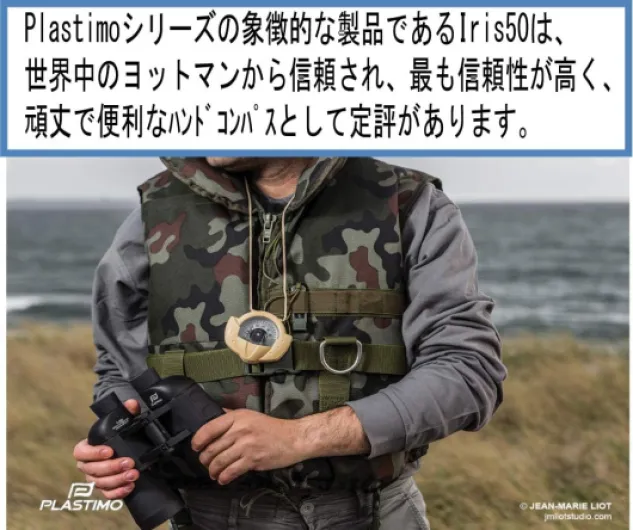
On the product page it’s a bit confusing: it’s branded Nautos in some places, Plastimo in others, but the model number 63871 and the "Iris 50" name give it away — it’s the classic Plastimo hand-bearing compass. It’s a floating, plastic hand compass designed mainly for marine use. You hold it up to your eye, line up the target (buoy, lighthouse, headland, another boat) and you can read the bearing while still looking at the target. The scale given is 1:100000, but honestly, for most people this is more about taking bearings than using it as some kind of map ruler.
In the box, you basically just get the compass itself and the basic documentation. No fancy pouch, no extra accessories. That’s fine by me — less stuff to lose on the boat. The stated weight is about 0.1 kg, and that feels right: it’s light enough that you can wear it around your neck or keep it in a pocket without noticing, but not so light that it feels hollow or flimsy. The form factor is compact and works well one-handed, which matters when the other hand is on the tiller or grabbing a handrail.
Function-wise, this is really about two things: bearing taking and orientation. You can use it to check your course, plot your position on a paper chart by taking two or three bearings, or just double-check that the headland you see is the one you think it is. It’s not a hiking baseplate compass, and it’s not a dashboard mount. It’s very much a specialist tool for people who need a hand-bearing compass on the water. You can use it on land, sure, but that’s not where it shines.
Compared with random cheap compasses I’ve tried from outdoor shops, the Iris 50 feels much more purpose-built. The optics are clear, the graduation is easy to read, and it’s clearly designed with sailors in mind. If you’re expecting some multi-function survival thing with mirrors, whistles and magnifiers, this isn’t it. If you want a straightforward marine hand-bearing compass that does one job properly, that’s exactly what you’re buying here.
Pros
- Very easy to read and use while still looking at the target, even on a moving boat
- Lightweight, floating plastic body that handles salt, drops, and general cockpit abuse well
- Stable, accurate enough card that settles quickly, making real navigation work practical
Cons
- Price is higher than many basic compasses, which may feel steep for casual users
- Lanyard attachment could be more robust; adding your own better cord is almost mandatory
Conclusion
Editor's rating
After using the Plastimo Iris 50 (sold here under the Nautos brand) in real conditions, my opinion is pretty straightforward: it’s a solid, no-nonsense hand-bearing compass for people who actually navigate, not just cruise around on sunny days. It’s light, easy to read, and stable enough to take usable bearings even when the boat is moving. The all-plastic construction might sound cheap on paper, but in practice it makes sense: it doesn’t rust, it floats, and it has handled drops and salt spray without complaining.
It’s not perfect. The lanyard attachment could be beefier, there are no fancy extras, and the price is clearly higher than entry-level compasses. If you only sail occasionally or never touch a paper chart, you’ll probably see it as “too much” for what you need. But if you do coastal sailing, want a backup to electronics, and care about knowing exactly what that headland or buoy lines up with on your chart, this compass makes life easier. It feels like gear you buy once and keep for years.
So, who is it for? Sailors and boaters who actually use bearings and want something reliable and simple. Who should skip it? Casual paddlers, occasional lake boaters, or anyone who just wants a decorative compass. For my use — regular coastal trips where I like to double-check my position the old-fashioned way — I’m happy with it and I’d buy it again if I lost it overboard.