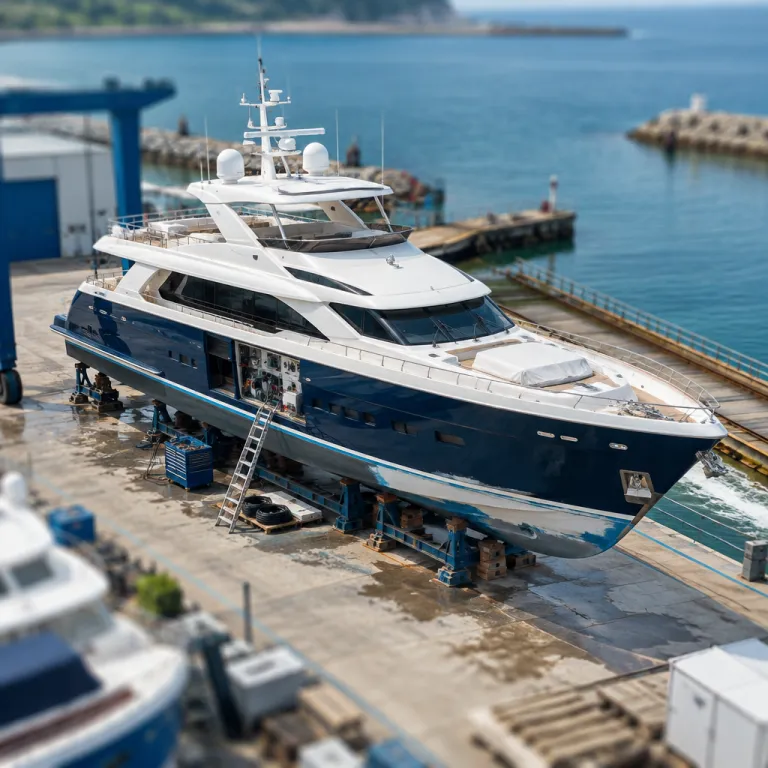
Why yacht refit management defines the success of every tech upgrade
Yacht refit management sits at the crossroads of passion, engineering, and finance. When a refit project adds complex navigation systems or hybrid propulsion, the project management approach will decide whether the work elevates the vessel or drains the budget. For any yacht owner planning a major yacht refit, treating the refit as a structured superyacht project rather than a cosmetic refresh transforms both the experience and the long term value.
At the core of effective refit management is a clear definition of the project scope, vessel size, and desired performance gains. A disciplined project manager will translate the owner vision into a phased process, aligning the shipyard schedule, the yard period, and the availability of specialist marine contractors. Without this level of management, change orders multiply, the cost escalates, and the crew is left trying to operate new systems that were never integrated properly.
For larger yachts and every superyacht refit, the owner representative and the management team become essential. They coordinate between the shipyard, the captain, and the technical crew to ensure that each refit project respects class rules, flag requirements, and realistic budget constraints. This is where professional yacht management and focused management yacht services turn a complex build refit into a predictable, well controlled project.
- Key takeaway: Treat every refit as a full marine engineering project, not a paint job.
- Non‑negotiables: clear scope, realistic yard period, and a named decision maker on the owner side.
Planning the refit project: from concept to signed shipyard contract
Serious yacht refit management starts months before the vessel enters the yard. A competent project manager will first audit existing marine systems, from power distribution to navigation electronics, and map them against the owner expectations for comfort, safety, and digital connectivity. For a superyacht refit, this technical survey becomes the backbone of the project management plan and the reference document for every future change order.
Once the scope is defined, the management team can approach each candidate shipyard with a detailed work list and a realistic yard period. Comparing quotations only on headline cost is a mistake; the manager must evaluate yard expertise with similar vessel size, their track record with complex systems integration, and their capacity to handle multiple change orders without losing control of the schedule. This is where an experienced owner representative adds real value, challenging optimistic build refit promises and aligning the contract with the actual project risks.
Comfort upgrades should be planned with the same rigor as technical ones. When specifying new helm seats or guest seating, for example, a manager who understands marine ergonomics will use resources such as a guide to top boat seats for marine use to benchmark quality and durability. The result is a refit project that balances budget, performance, and comfort, rather than chasing the cheapest line items in the yard offer.
- Start with a written survey and photographic record of all critical systems.
- Request like‑for‑like quotations based on the same work list and specification.
- Build contingency into both the budget and the yard period for discoveries.
Tech upgrades that transform how a yacht and crew actually operate
Modern yacht refit management increasingly focuses on digital and energy systems that change how the crew runs the vessel every day. Upgrading navigation suites, monitoring platforms, and communication systems is not just a matter of installing new screens; it is a coordinated process that touches wiring, software, and crew training. A well led refit project will phase these upgrades so that critical systems remain operational during most of the yard period.
Energy efficiency has become a central theme in every serious superyacht project and in smaller yacht construction programs. Owners now expect their management team to evaluate options such as lithium battery banks, variable speed generators, and advanced HVAC controls, all of which affect long term operating cost and comfort. Even apparently simple choices, like selecting a new galley fridge, benefit from technical benchmarking using resources such as a comparison of top marine refrigerators for boats, because these systems run continuously and influence both noise and power draw.
Digital monitoring platforms are another area where refit management can unlock real gains. When a project manager specifies integrated systems that log fuel burn, tank levels, and generator load, the crew can later apply advanced practices such as fuel burn diagnostics on long cruising passages. This type of work during the refit project turns a conventional vessel into a data informed yacht, where every voyage refines the management yacht strategy and supports smarter decisions about future upgrades.
- Prioritize upgrades that improve safety, situational awareness, and energy use.
- Plan crew training and updated operating procedures before leaving the yard.
Controlling cost, budget, and change orders during the yard period
Even the most elegant refit project can unravel if cost control fails once the yacht enters the yard. Effective yacht refit management treats the signed contract as a living document, with every change order logged, priced, and approved before work starts. This discipline protects the owner budget and gives the project manager leverage when the shipyard proposes extra tasks during the yard period.
Change orders are not inherently negative; they often reflect hidden defects or new opportunities identified once systems are opened. The problem arises when change orders are accepted informally, without a clear impact analysis on cost, schedule, and crew workload, which is why a strong management team insists on written quotations and revised timelines. For a superyacht refit or any large vessel size, this structured approach to project management can mean the difference between a controlled overrun and a chaotic extension of the refit period.
Owners who rely on professional yacht management services usually benefit from standardized reporting templates. These tools allow the owner representative and the manager to track budget consumption, work progress, and risk items in a single dashboard, week after week. Over multiple cycles of building yacht projects and management refit programs, this data driven approach refines future estimates and strengthens trust between owner, crew, and shipyard.
- Insist that every variation is described, costed, and signed before work begins.
- Use weekly cost and progress reports to spot trends early, not at the end.
The human factor: crew, owner representative, and management team roles
No yacht refit management strategy succeeds without the active involvement of the crew. Engineers, captains, and senior deckhands know how the vessel behaves at sea, which systems fail under load, and which spaces frustrate guests, so their input during the early project phase is invaluable. A wise project manager will formalize this knowledge into a structured work list, ensuring that the refit project addresses real operational pain points rather than only aesthetic wishes.
The owner representative acts as the bridge between passion and pragmatism. While the owner focuses on the emotional side of the yacht, the representative translates that vision into technical specifications, negotiates with the shipyard, and challenges optimistic promises about build refit timelines. In larger superyacht project environments, this role often coordinates a broader management team, including legal advisers, surveyors, and specialists in yacht construction and classification.
During the yard period, clear communication channels reduce friction and protect relationships. Weekly progress meetings, transparent reporting on cost and schedule, and documented decisions about change orders all contribute to a culture of accountability. Over the long term, this collaborative style of refit management builds loyalty among crew, strengthens the management yacht structure, and encourages the shipyard to prioritize the vessel in future yard bookings.
On a recent 50‑metre refit, for example, the captain reported that involving the chief engineer in every technical meeting cut post‑yard troubleshooting time in half, because the crew understood each new system before sea trials began.
Designing for long term maintenance and future refit cycles
Thoughtful yacht refit management looks beyond the current project and anticipates future maintenance cycles. When specifying new systems, the project manager should consider access for service, availability of spare parts, and the likelihood of software support over a long term horizon. This mindset turns each refit project into a step in a continuous improvement process rather than a one off event.
For example, routing cabling in accessible trays instead of sealing it behind furniture may slightly increase the initial cost but dramatically reduce labor during the next yard period. Similarly, standardizing on a limited number of marine equipment brands simplifies crew training and spare parts logistics, which is especially valuable for a superyacht refit with complex hotel and technical systems. Owners who have experienced multiple cycles of building yacht programs and management refit projects often insist on this type of lifecycle thinking from their management team.
Future proofing also applies to digital infrastructure. Installing oversized conduits, reserve breaker capacity, and flexible network architecture allows the vessel to accept new technologies without major structural work. In this way, yacht management and project management converge, because every decision taken during the current refit management phase shapes the ease and cost of operating and upgrading the vessel for many seasons ahead.
- Design access for maintenance from day one, not as an afterthought.
- Document all changes so future refit teams understand what lies behind the panels.
From building yacht to refit management: aligning new builds and refits
Owners who move between yacht construction projects and refit programs quickly see the value of consistent management practices. The same project management tools used to track a new build can be scaled to a smaller refit project, ensuring that scope, cost, and quality remain aligned. When a project manager carries lessons from building yacht experiences into later refit management roles, the vessel benefits from a coherent technical philosophy across its entire life.
Aligning new build and refit strategies also helps control long term ownership cost. Decisions about hull form, machinery layout, and systems redundancy taken during yacht construction will influence every future yard period, from simple paint jobs to full superyacht refit campaigns. A strong management team will document these design rationales so that future owner representatives and crew can understand why certain choices were made and how they affect later work.
Ultimately, the most successful yachts treat every project, whether a minor systems upgrade or a major superyacht project, as part of a continuous narrative. Yacht refit management becomes the discipline that connects the dreams of the owner, the skills of the crew, and the capabilities of the shipyard into a single, repeatable process. When that happens, each vessel size, each refit project, and each management yacht structure contributes to a fleet that is safer, more efficient, and more enjoyable to run.
Key figures in yacht refit management and tech upgrades
- According to data summarized by the International Council of Marine Industry Associations (ICOMIA) in its global refit and repair overviews, refit and repair activity can represent more than 40% of total lifecycle spending on a large yacht, which underlines why disciplined project management and refit management have such a strong impact on ownership cost.
- Studies published by major European shipyards in their annual refit reports indicate that unplanned change orders can add between 10% and 25% to the original refit project budget, especially on complex superyacht refit programs where hidden structural or systems issues are common.
- Energy efficiency upgrades, such as LED lighting and optimized HVAC controls, typically reduce hotel load power consumption by 20% to 30%, a range echoed in technical notes from marine equipment manufacturers, which directly lowers fuel burn and extends generator service intervals over the long term.
- Industry surveys of captains and project managers, including those shared at superyacht refit conferences, show that involving the crew early in the planning phase can cut commissioning and troubleshooting time after the yard period by up to 50%, because systems are specified and installed with real world operation in mind.
- Data from classification societies, reported in their fleet reliability and casualty statistics, indicate that yachts with structured maintenance plans and regular, well managed yard periods experience significantly fewer critical systems failures at sea, improving both safety and charter reliability.
FAQ about yacht refit management and tech upgrades
How early should I start planning a yacht refit project ?
For any significant yacht refit, planning should start at least one full season before the intended yard period. This gives the project manager time to survey existing systems, define the scope with the crew, and obtain detailed quotations from multiple shipyards. Early planning also improves yard availability and helps secure better pricing and scheduling.
Do I really need a dedicated project manager for a refit ?
A dedicated project manager becomes essential once the refit project involves multiple trades, complex systems, or a tight schedule. The manager coordinates between the owner, the shipyard, and the crew, controls change orders, and protects the budget. On larger vessels and any superyacht refit, this role is usually filled by a professional with previous yacht construction or refit management experience.
How can I keep refit costs under control without sacrificing quality ?
Cost control starts with a clear, detailed specification and a realistic budget agreed before the yacht enters the yard. During the yard period, every change order should be priced and approved in writing, with its impact on schedule and cost documented by the management team. Selecting a shipyard with proven experience on similar vessel size also reduces the risk of expensive surprises.
Which tech upgrades offer the best long term value for my yacht ?
Upgrades that improve safety, reliability, and energy efficiency usually deliver the strongest long term return. Examples include modern navigation and communication suites, integrated monitoring systems, LED lighting, and optimized HVAC controls. A knowledgeable project manager will evaluate these options against your cruising profile, vessel size, and existing systems to prioritize the most effective investments.
What is the role of the crew during a refit project ?
The crew provides operational insight, monitors quality on site, and prepares to run the upgraded systems after the yard period. Engineers and captains should be involved in technical decisions, factory acceptance tests, and commissioning trials. Their engagement ensures that the refit management process results in a vessel that is not only beautiful at handover but also practical and reliable in daily use.