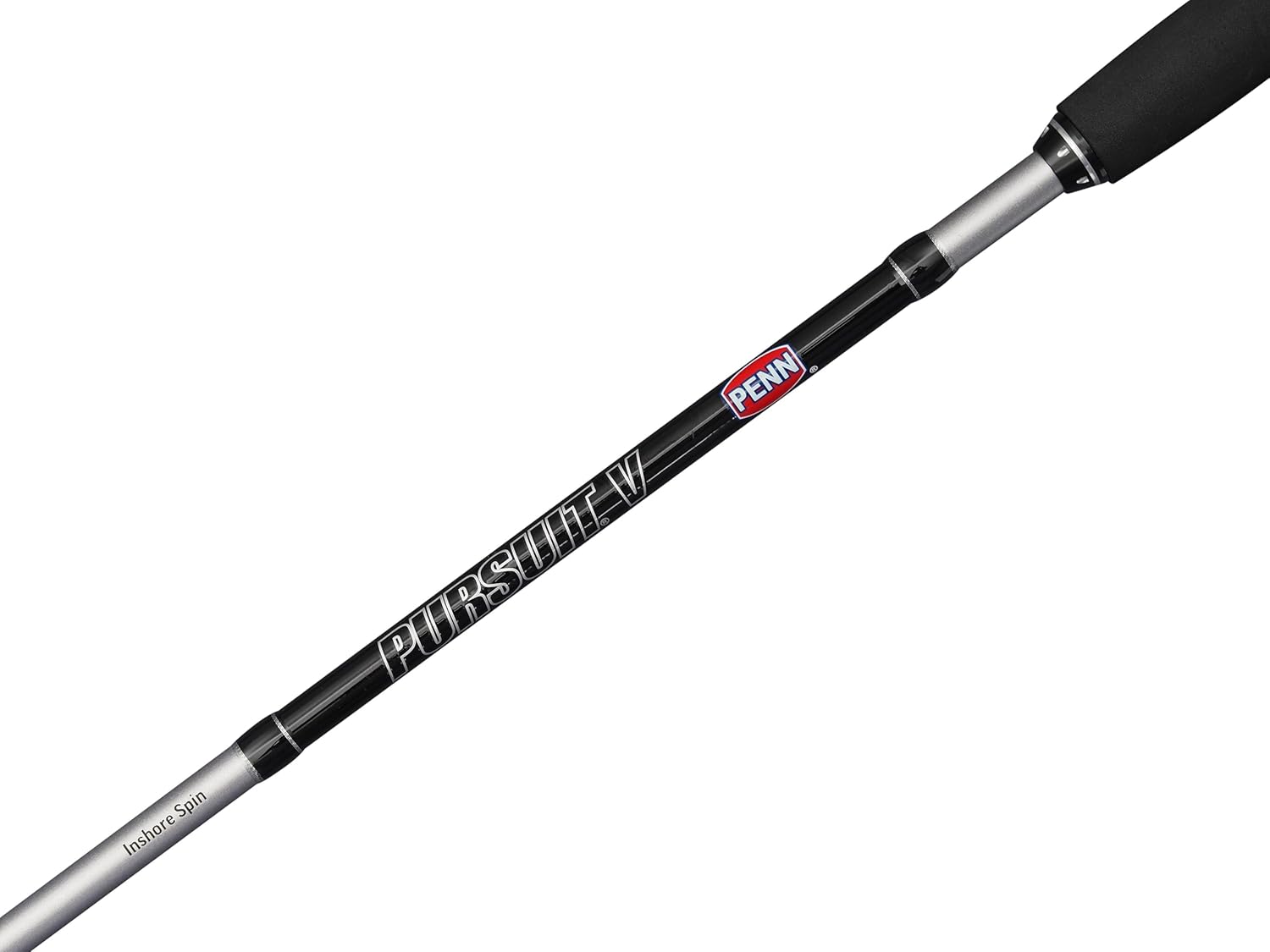
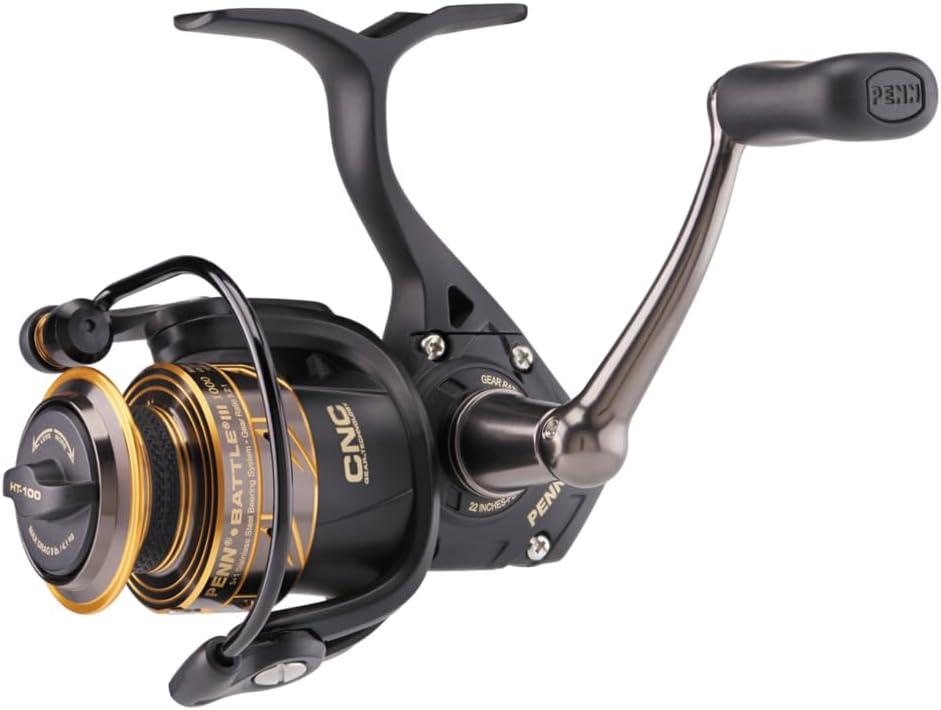
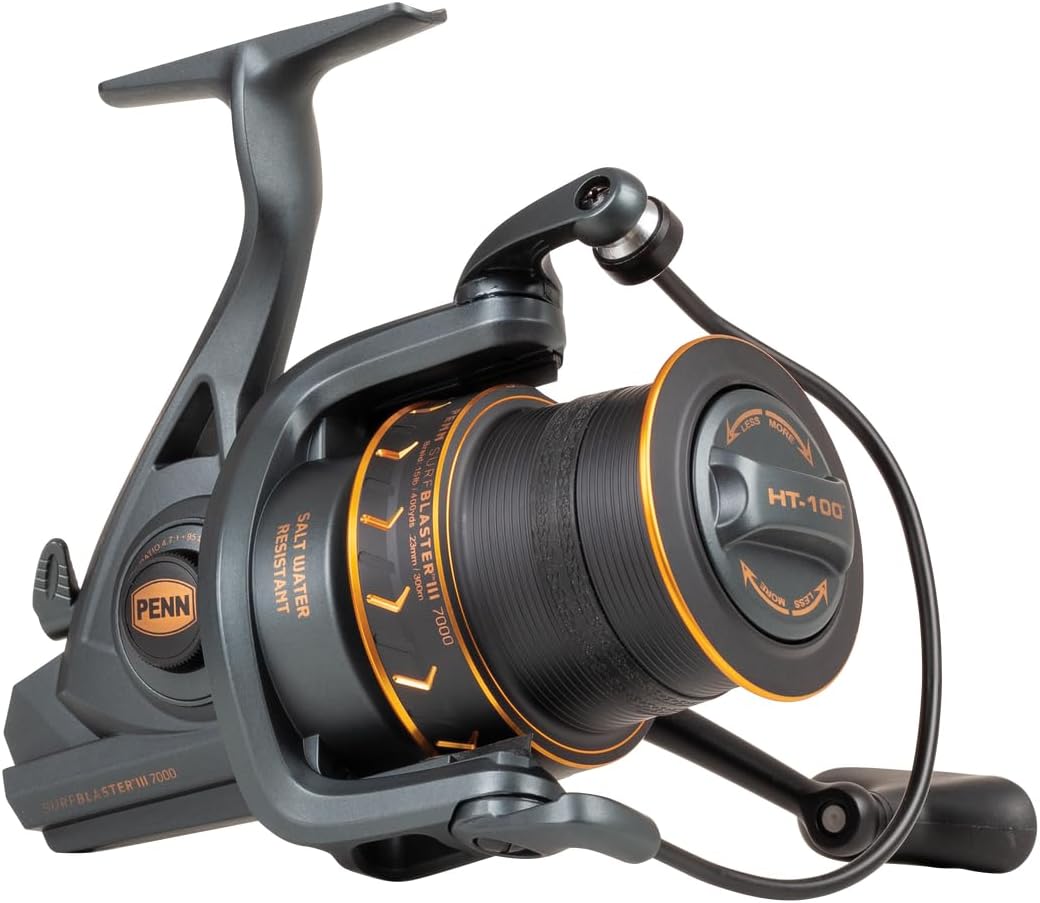
Spinning reels versus conventional reels on a yacht transom
When yacht guests step to the swim platform, they usually reach first for a spinning reel. The open face design of spinning reels feels intuitive, and a well balanced rotor helps beginners cast jigs or soft plastics without worrying about backlash. For yacht captains, this ease of use means more time with guests fighting fish and less time untangling line from the stainless steel rails or clearing fouled rod holders.
Yet for serious saltwater fishing, conventional reels still dominate many yacht rod holders. A compact conventional reel with a smooth lever drag and robust drag stack allows precise pressure control on big fish that dive under the hull or toward the props. On long passages, these conventional setups also pair well with trolling lures, where consistent drag performance and a rigid reel body prevent gear failure when a wahoo strikes at high speed or a billfish surges across the wake.
Price often guides first time buyers, but on a yacht the cost of a failed reel far exceeds any initial saving. Investing in the best fishing reels for saltwater means choosing spinning and conventional models with sealed drag systems, corrosion resistant frames, and carbon fiber washers that stay consistent during long runs. Thoughtful captains also consider how tackle supports the overall guest experience, from the first strike to filleting the catch, so that quality reels become part of the yacht’s broader hospitality and adventure offering rather than an afterthought.
How penn reels earned their place on superyacht fighting chairs
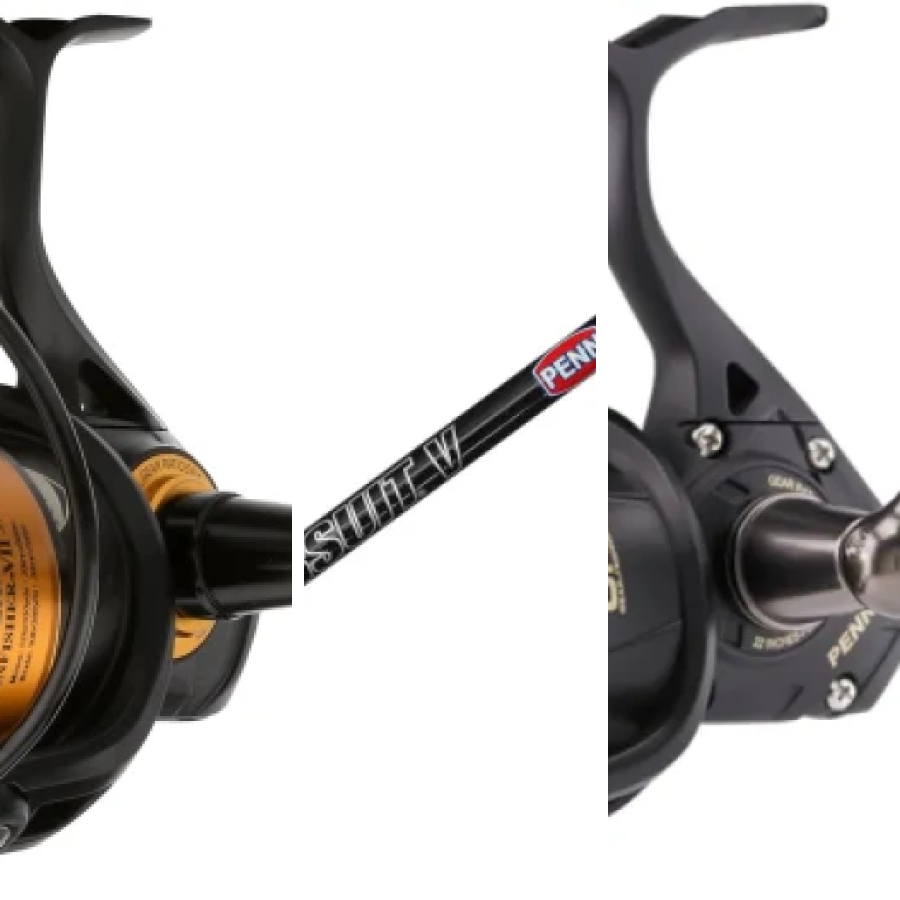
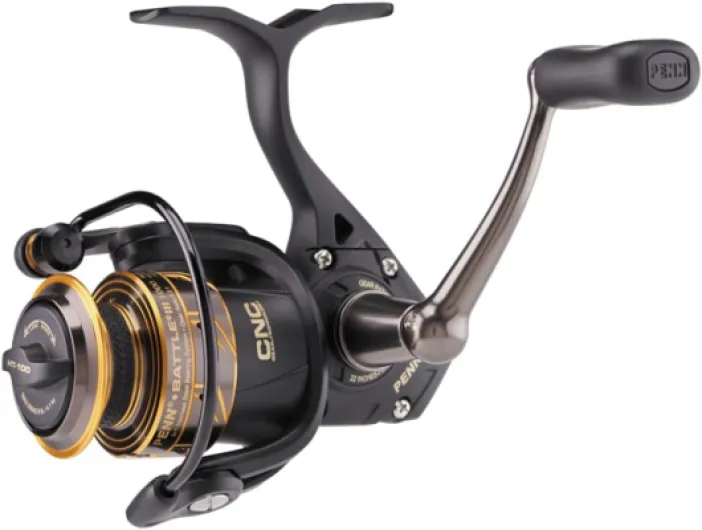
Among yacht crews, Penn has become almost synonymous with durable saltwater fishing reels. Models such as the Penn Battle and the Penn Fathom series appear on many transoms because their stainless steel gears, full metal body, and carbon fiber drag system are engineered for harsh marine environments. When a reel rated for heavy drag keeps turning smoothly after repeated washdowns and regular charter use, crews trust it for visiting guests who may hook the fish of a lifetime.
The Penn Battle spinning reel line is widely regarded as offering strong value, pairing a rigid body and rotor with sealed bearings that help resist saltwater intrusion. Typical mid range sizes in the 4000 to 6000 class provide roughly 10 to 12 kilograms of maximum drag, gear ratios near 6.2:1 for fast line pickup, and braid capacities in the 300 meter range of 30 pound line, giving ample reserve for inshore and light offshore work. Many captains keep several Penn Battle spinning reels rigged with different line classes, allowing anglers to switch quickly from light inshore fish to heavier offshore species without re rigging entire outfits.
For trolling or deep dropping, the Penn Fathom conventional reel range, including some Fathom electric models, delivers high end performance with strong drag stacks and precise lever drag control. A typical two speed Fathom 25N lever drag, for example, offers around 18 kilograms of maximum drag, high and low gear ratios in the mid 5:1 and mid 2:1 range, and enough line capacity for several hundred meters of 50 pound braid. On yachts that split time between bluewater passages and Mediterranean anchorages, this mix of spinning and conventional Penn reels covers almost every scenario. Whatever hull form you choose for your yacht, equipping the cockpit with the best fishing reels for saltwater, including several Penn Fathom and Penn Battle models, ensures that guest feedback reflects both comfort and serious angling capability.
Evaluating drag systems, materials, and design for offshore performance
For yacht based anglers, drag performance matters more than almost any other specification. A smooth drag system protects light leaders when a powerful fish surges, while a sticky drag can snap line or pull hooks at the worst moment. When comparing the best fishing reels for saltwater, focus on how the drag stack, lever drag mechanism, and carbon fiber washers behave under sustained pressure rather than only chasing headline maximum drag numbers.
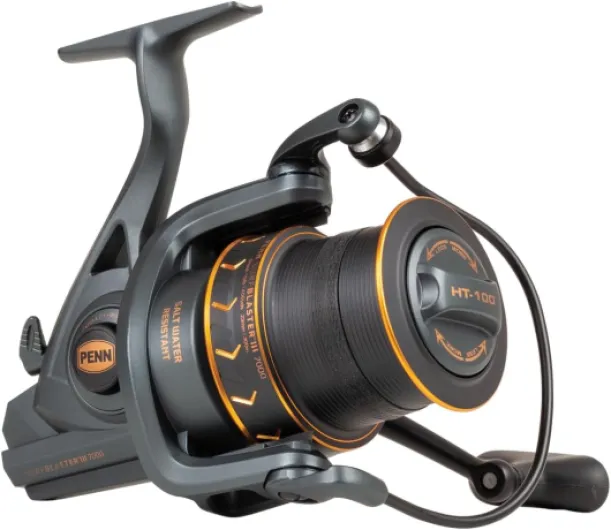
High quality saltwater spinning reels now use multi disc carbon fiber drag systems housed within sealed spools, which helps keep salt crystals and fine sand away from critical surfaces. A well engineered body and rotor made from aluminum or reinforced composite prevents flex when the drag is near maximum, maintaining precise alignment between the spool and bail arm. Conventional reels designed for yacht use often feature stainless steel main gears, anodized frames, and lever drag controls that allow incremental adjustments while the fish runs along the wake or circles deep beneath the transom.
Design details such as handle ergonomics, spool depth, and line lay patterns directly influence real world performance. On long fights from a yacht’s stern, a comfortable handle reduces fatigue, while a properly shaped body keeps the reel balanced on heavier rods. Many captains now keep a concise matrix of reel rated data in the tackle drawer, noting which models, drag settings, and line classes pair best with specific lures and techniques, much like they track performance figures for tenders or auxiliary craft in the broader yacht program.
Balancing price, ratings, and real world reliability for yacht tackle
Yacht owners often face a wide spread of price points when choosing the best fishing reels for saltwater. Entry level spinning reels may tempt buyers with low price tags and eye catching graphics, yet their internal components rarely match the demands of offshore use. On the other hand, elite reels with premium stainless steel gearing and advanced drag systems can seem excessive until a large fish tests every part of the reel body and exposes weaknesses in cheaper alternatives.
Online ratings and user reviews provide a starting point, but yacht specific usage differs from casual pier fishing. Reels on yachts endure constant salt spray, UV exposure, and sometimes long periods without maintenance between charters, which magnifies any design weakness. When evaluating popular Penn models or other brands, prioritize corrosion resistance, sealed drag assemblies, and robust body and rotor construction over minor differences in weight, color schemes, or purely cosmetic design elements.
Many professional captains maintain a small fleet of reels, mixing mid range spinning reel options with a few elite conventional workhorses. This strategy spreads budget while ensuring that at least several reels rated for heavy saltwater fishing can handle serious pelagic fish. In practice, a balanced quiver might include multiple Penn Battle spinning reels for guests, a pair of Penn Fathom conventional reels for trolling, and one Fathom electric setup for deep dropping, all chosen with an eye toward long term reliability, ease of service, and the realities of yacht based maintenance schedules.
Building a yacht ready quiver of rods and reels for every fishery
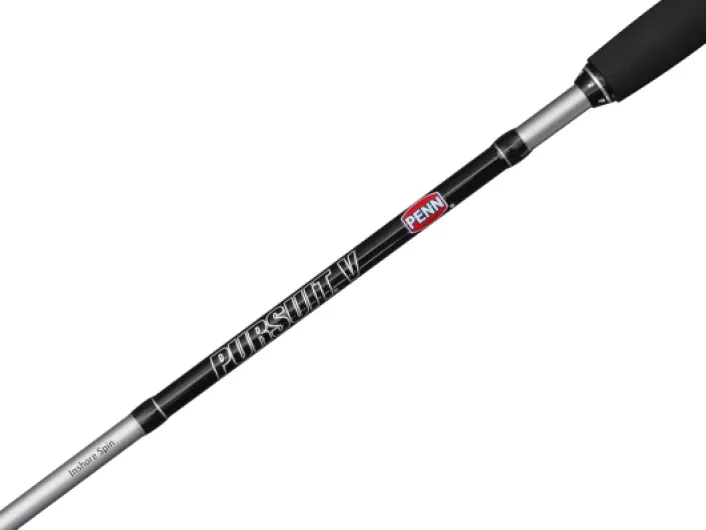
Outfitting a yacht for saltwater fishing means thinking in systems, not isolated purchases. Each fishing reel must pair with rods that match its line class, lure weight, and intended technique, whether casting from the bow or trolling from the cockpit. The best fishing reels for saltwater only reveal their full performance when matched to rods that load correctly, balance well in the hand, and transmit every headshake of the fish.
A practical yacht quiver usually starts with several medium heavy saltwater spinning outfits for casting lures at surface feeding fish near reefs or current lines. Add a pair of heavier conventional reel setups with lever drag controls for trolling and live baiting, plus at least one Fathom electric reel for deep dropping on offshore structure. This mix allows anglers of different skill levels to participate, from children using light spinning reels to experienced guests settling into the fighting chair with elite conventional gear designed for extended battles.
Storage and maintenance complete the system, because even the most highly regarded Penn models will fail without care. Rinse every reel with low pressure freshwater after use, wipe the body and rotor, and back off the drag system before stowing. On longer passages, schedule periodic inspections of each reel rated for heavy duty use, checking for play in the handle, smooth drag operation, and any corrosion on stainless steel components so that every setup remains ready when the next school of fish appears off the bow.
Key figures on yacht based saltwater fishing tackle
- Industry reports from organizations such as the National Marine Manufacturers Association indicate that U.S. saltwater fishing participation numbers are in the multi million range, which helps explain the strong demand for durable spinning and conventional reels suitable for yacht use.
- Data summarized in recent sportfishing economic studies show that reels and rods together account for a substantial share of total recreational fishing equipment spending, highlighting how critical these components are in overall tackle budgets for yacht owners.
- Laboratory style testing published by major reel manufacturers, including Penn and Shimano, suggests that modern carbon fiber drag washers can retain a very high percentage of their original drag performance after repeated heat cycles when properly lubricated, a key factor for long fights with large pelagic fish from yacht platforms.
- Field surveys among charter captains in popular yacht hubs such as Fort Lauderdale and Palma de Mallorca, reported in trade outlets like Sport Fishing Magazine and Salt Water Sportsman, note that properly maintained saltwater spinning reels and conventional reels often remain in service for many seasons, significantly improving long term price efficiency.