Structuring a realistic gear budget for inshore and offshore fishing
Effective budget planning for yacht based saltwater fishing starts with a clear inventory of how you actually fish. List how many anglers you host, which fish you target inshore and offshore, and how often each guest uses a spinning or casting setup. Only then can you decide how many fishing rods and reels you truly need instead of buying on impulse or duplicating similar gear.
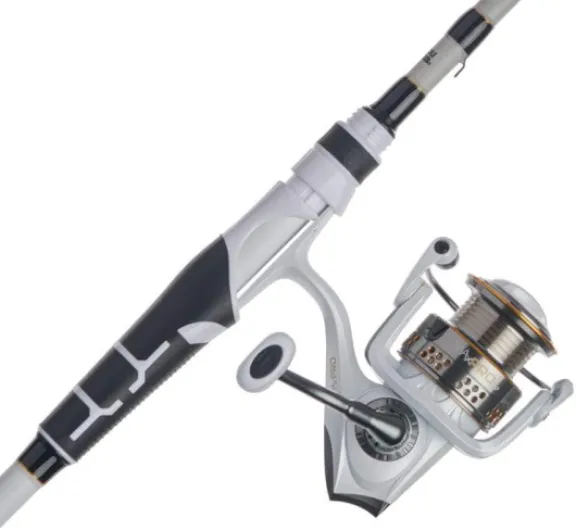
For inshore saltwater trips, most yacht owners do well with a core set of medium heavy inshore spinning rods paired with quality spinning reels from brands such as Penn or Fenwick. Offshore, you will add heavier boat rod options, often with conventional casting reels, to handle tuna, mahi mahi, or wahoo without overstressing a lighter rod rated for smaller fish. This tiered approach lets you reserve the highest price gear for demanding saltwater fishing while using more modestly priced rods for casual guests who fish only occasionally.
When allocating funds, separate your budget into three columns for clarity and control. First, list essential items such as a versatile spinning rod, a dependable reel seat and rod reel combos, and a few best inshore setups that every guest can handle safely. Second, add performance upgrades like a dedicated best rod for jigging or a heavy boat rod for deep drops, then finally include a contingency line for replacements after hard seasons, lost gear, or unexpected breakages.
Yacht passionate owners who already follow structured cost planning for crew, berthing, and maintenance can apply the same discipline to tackle. A helpful framework is outlined in this guide on how to allocate your yacht ownership budget wisely, which you can mirror for your saltwater rods and reels. One captain of a 90 foot sportfisher summarized it simply: “We budget tackle like we budget fuel—if we ignore it, the surprise bill hurts later.” By treating each fishing rod as a depreciating but essential asset, you avoid last minute splurges and keep your overall yacht experience both refined and financially controlled.
Choosing between Penn Carnage III, Fenwick, and Ugly Stik on a yacht
Brand selection matters when your yacht spends months in harsh saltwater conditions far from easy service centers. Among serious anglers, Penn, Fenwick, and Ugly Stik each occupy a distinct niche in the market for the best fishing rods for saltwater. Understanding those differences helps you balance performance, durability, and price across your onboard arsenal.
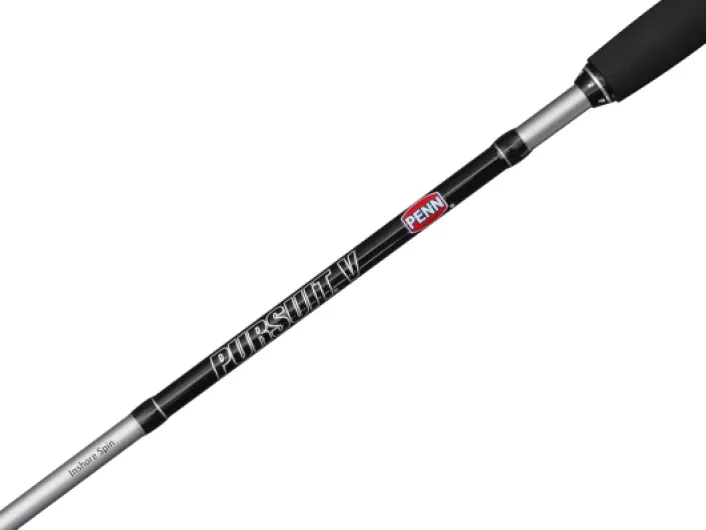
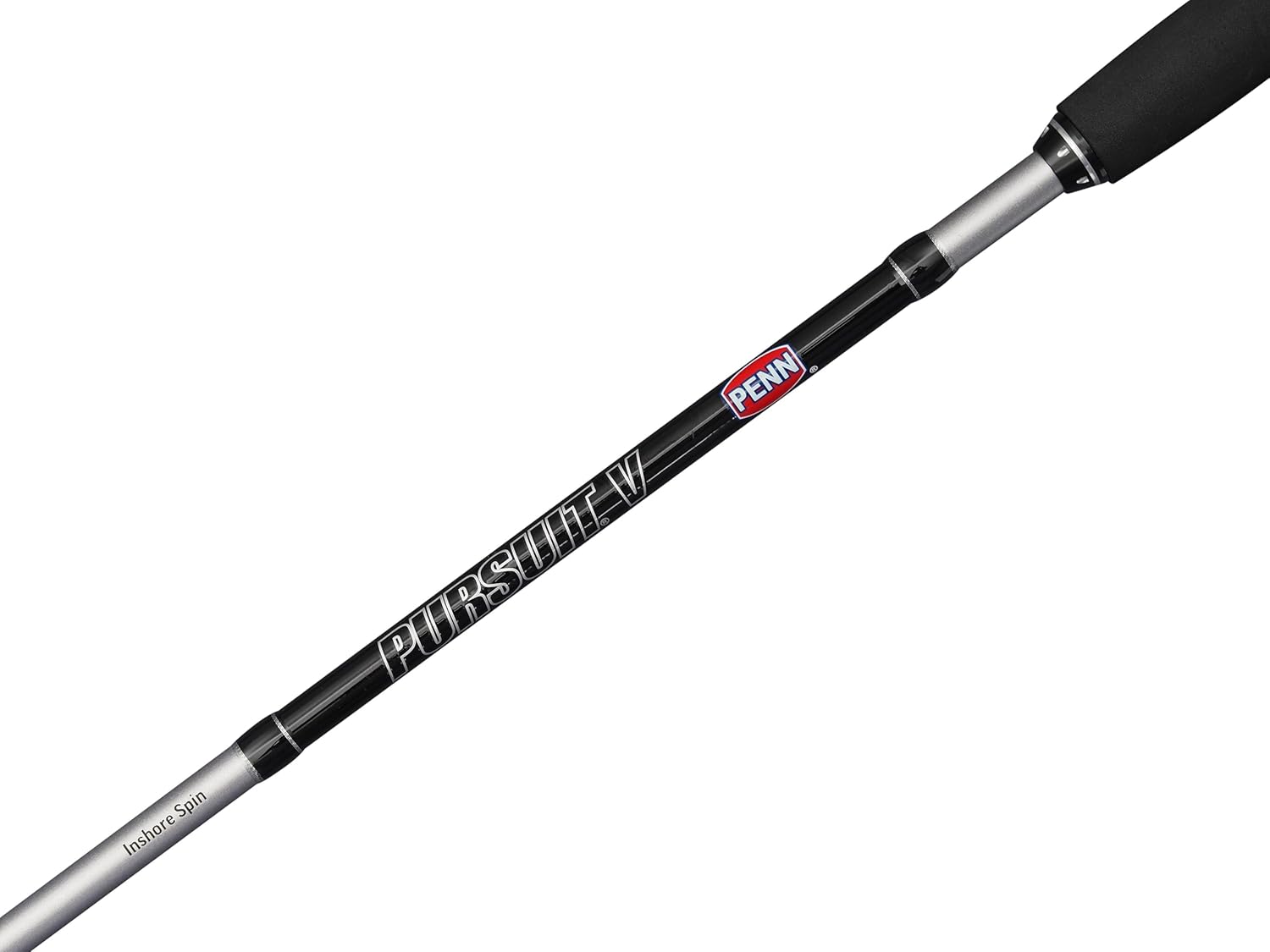
The Penn Carnage series, and especially the Penn Carnage III line, targets yacht owners who demand a powerful saltwater rod rated for heavy loads and frequent use. Typical Carnage III boat rod models in the 6'–7' range are often rated for 20–80 lb line, feature one piece graphite composite blanks, Fuji or similar stainless steel guides, and heavy duty reel seats, with prices commonly around $230–$350 depending on configuration. A Penn Carnage boat rod with a robust reel seat and stainless steel guides pairs well with high end reels, giving you a best saltwater setup for trolling or live baiting large fish offshore. These rods carry a higher price tag, but their heavy action and corrosion resistance make them a logical choice for yachts that chase big game regularly.
Fenwick spinning rods and casting rods, by contrast, often appeal to yacht guests who appreciate refined action and lighter weights for inshore spinning. Many medium heavy Fenwick spinning rod models in the 7' range are rated for roughly 8–20 lb line and moderate lure weights, with carbon fiber blanks and ergonomic grips, typically priced around $100–$200. On the other end of the spectrum, Ugly Stik rods provide rugged reliability at a friendlier price, often $50–$100 for saltwater rated models, making them ideal as backup fishing rods or loaner gear for casual visitors who may be hard on equipment.
Many yacht captains blend these brands to create a balanced quiver that suits every style of saltwater fishing on board. They might specify Penn Carnage III boat rod models for offshore trolling, Fenwick inshore spinning rods for flats and mangroves, and a few Ugly Stik fishing rod options as nearly indestructible workhorses. When you align each brand’s strengths with your yacht’s itinerary and guest profile, you achieve a bespoke budgeting approach similar to the philosophy behind bespoke budgeting in yachting, where craftsmanship and cost efficiency coexist gracefully.
| Rod family (example) |
Typical length |
Action / power |
Line rating |
Guide material |
Approximate price range (USD) |
| Penn Carnage III boat rod |
6'–7' |
Fast, heavy |
20–80 lb mono or braid |
Stainless steel frames with corrosion resistant inserts |
$230–$350 |
| Fenwick medium heavy inshore spinning rod |
7' |
Fast, medium heavy |
8–20 lb |
Stainless steel or titanium style guides |
$100–$200 |
| Ugly Stik saltwater spinning rod |
6'6"–7' |
Moderate fast, medium to medium heavy |
10–25 lb |
Stainless steel one piece guides |
$50–$100 |
Technical criteria that define the best rod for yacht based saltwater fishing
Beyond brand names, the technical build of each rod determines whether it truly belongs among the best fishing rods for saltwater on a yacht. Start with the blank material and action, because these factors dictate how the rod loads, casts, and fights fish. Fast action rods bend mostly near the tip, while moderate action rods flex deeper and cushion sudden runs and head shakes.
For inshore saltwater work from a yacht tender, a medium heavy spinning rod with fast action offers a versatile balance between casting distance and hook setting power. Offshore, a heavier boat rod with a slower action can protect lighter leaders when large fish surge near the transom, especially when multiple anglers share limited rail space. Always check how each rod is rated for line strength and lure weight, because a properly rod rated blank prevents both breakage and underperformance when guests hook unexpected trophy fish.
Hardware quality is equally critical in the corrosive marine environment that surrounds every yacht. Look for stainless steel guides with corrosion resistant inserts, a secure reel seat that locks your spinning or casting reel firmly, and grips that remain comfortable when wet or covered in sunscreen. A well matched rod reel combination reduces fatigue for guests and lets them focus on the joy of saltwater fishing rather than on awkward, unbalanced gear that feels top heavy or underpowered.
Yacht passionate owners should also consider storage and transport constraints when selecting saltwater rods. Multi piece fishing rods or travel specific spinning rod designs can fit into lockers and tender garages without compromising performance, especially when built with quality ferrules and guides. By weighing action, rating, hardware, and practicality together, you ensure that every fishing rod on board earns its place and supports the premium experience your yacht promises.
Balancing luxury, durability, and price tag for onboard tackle
Luxury yachts often showcase immaculate teak, polished stainless steel, and curated interiors, yet their fishing lockers sometimes tell a different story. Cheap rods with corroded guides and mismatched reels undermine the sense of quality that owners work so hard to maintain. Aligning your tackle selection with the yacht’s overall standard means treating the best fishing rods for saltwater as part of the guest experience, not just sporting equipment.
Durability should sit alongside aesthetics when you evaluate each rod and reel for life at sea. A Penn Carnage boat rod or a well built Fenwick inshore spinning rod may cost more upfront, but their robust blanks, stainless steel guides, and secure reel seat designs withstand repeated use by guests who may not handle gear gently. Ugly Stik rods, while less refined, can serve as nearly indestructible options for charter parties or family trips where accidents are inevitable and rods are frequently passed around.
From a budgeting perspective, segment your tackle into primary, secondary, and sacrificial tiers to control overall price without sacrificing performance. Primary setups include your best inshore and best saltwater offshore combinations, where a premium spinning or casting reel sits on a rod rated precisely for the target fish and technique. Secondary rods cover backup roles, while sacrificial rods handle rough duty on tenders or beach landings where damage risk is highest and loss is more likely.
Owners who charter their yachts should remember that reliable fishing gear can influence repeat bookings and guest satisfaction. A well organized rack of saltwater rods, each clearly labeled for inshore saltwater or offshore use, signals professionalism and care to discerning anglers. When your tackle strategy reflects the same thoughtful budgeting you apply to crew and maintenance, the return on investment extends far beyond the initial price tag of each fishing rod and into word of mouth recommendations.
Planning gear for specific itineraries and yacht based fishing experiences
Route planning and seasonal migrations of fish should shape which rods and reels you carry on board. A yacht cruising the Mediterranean will face different saltwater fishing scenarios than one based in the Bahamas or the Indian Ocean. Matching your best fishing rods for saltwater to those itineraries prevents both overbuying and frustrating gaps in capability when guests request a particular style of fishing.
For a Miami to Bahamas run, for example, many captains prioritize versatile inshore spinning setups for reef species along with a few heavy boat rod combinations for pelagic fish in deeper channels. A mix of medium heavy spinning rods for snapper and grouper, plus heavier casting or trolling rods for mahi mahi and wahoo, covers most guest requests without overwhelming storage. Planning your tackle around a specific passage, such as outlined in this guide to chartering a boat from Miami to the Bahamas, helps you align gear with real world conditions.
In regions with strict catch and release policies or sensitive reef systems, lighter spinning rod options with refined action can make the experience more sporting and enjoyable. Here, a carefully chosen best rod for finesse presentations, paired with a smooth spinning reel, allows anglers to work lures naturally while protecting fish during the fight. Offshore expeditions targeting larger species will still require heavy Penn Carnage III or similar rods rated for strong lines and big lures, ensuring that guests can land trophy fish efficiently and humanely.
As your cruising plans evolve, revisit your onboard inventory of saltwater rods and adjust for new destinations and guest preferences. Retire older fishing rods to secondary roles, upgrade key spinning and casting setups, and keep a close eye on the condition of guides, reel seats, and grips. This continuous refinement keeps your yacht ready for any fishing opportunity, while your budget remains aligned with the broader financial strategy that underpins responsible yacht ownership.
Key figures and market insights for yacht based saltwater fishing gear
- Industry groups such as the National Marine Manufacturers Association (NMMA) have reported that annual U.S. spending on fishing equipment has reached several billion dollars in recent years, with saltwater tackle representing a substantial share for coastal and yacht based anglers. Exact figures vary by year and methodology, so always consult the latest NMMA recreational boating and fishing statistics for current numbers.
- Data from the American Sportfishing Association (ASA) consistently shows that spinning rods and spinning reels account for a large portion of rod and reel sales, reflecting their popularity as the primary choice for inshore saltwater and general purpose yacht fishing. The ASA’s “Sportfishing in America” publications provide updated breakdowns by tackle category, though percentages change slightly between editions.
- Interviews and informal surveys of offshore charter operations suggest that many professional captains expect a quality saltwater rod to last at least five seasons under heavy use, which helps justify higher initial prices for premium models such as Penn Carnage III or comparable boat rods. These observations are experiential rather than peer reviewed data, but captains often track rod lifespans alongside engine hours and line replacement schedules.
- Market analyses of corrosion related failures frequently highlight poor maintenance and substandard stainless steel components as major contributors to rod and reel replacements, reinforcing the value of investing in higher grade guides and reel seats for yacht environments. Regular freshwater rinsing and periodic inspections significantly reduce these failures.
- Consumer research in the recreational fishing sector generally finds that anglers who invest in better rated rods and reels report higher satisfaction and are more likely to participate in extended trips, which directly benefits yacht owners who offer curated fishing experiences to guests. Higher quality tackle often translates into fewer lost fish and more memorable days on the water.
Quick maintenance checklist for yacht tackle
- Rinse rods and reels gently with fresh water after every saltwater trip.
- Wipe down guides, reel seats, and grips to remove salt and sunscreen residue.
- Inspect for cracked inserts, bent guides, loose reel seats, and damaged tips.
- Lightly lubricate reel handles, bail arms, and main shafts as recommended by the manufacturer.
- Store rods in dedicated racks, away from direct sun and heavy traffic areas.