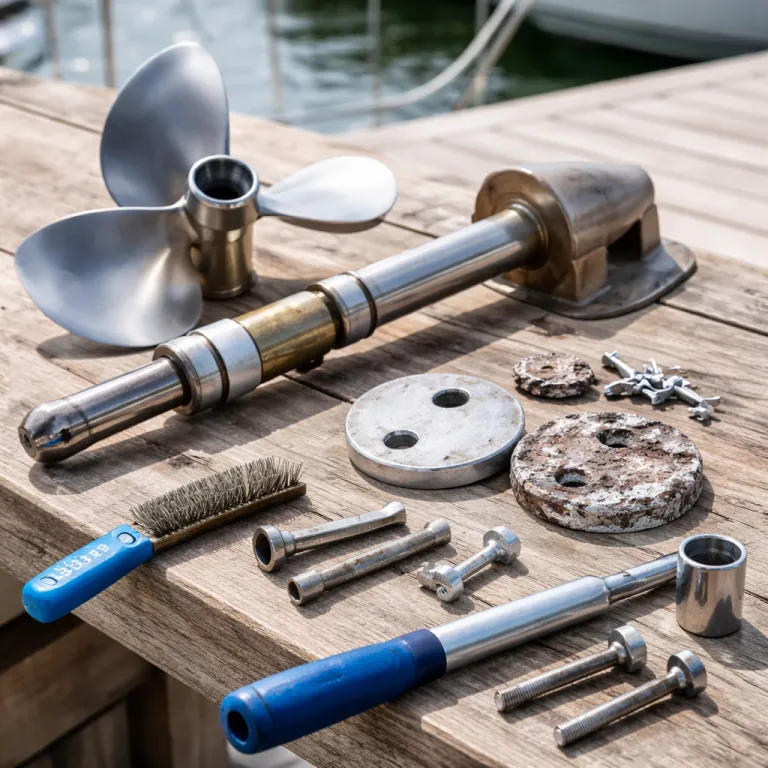
Why yacht zinc anodes maintenance is the cheapest insurance on board
Galvanic corrosion is simply electricity taking the shortest path between dissimilar metal parts underwater. When a bronze propeller, stainless shaft and aluminium or steel hull share the same water and electrical bonding, a tiny direct current flows and the least noble metal starts to sacrifice itself. On a modern boat with shore power connected for long periods, that stray current can quietly eat a propeller in one season.
Routine care of your sacrificial anodes exists to redirect that destructive current into a softer target, the zinc blocks bolted to your hull or shaft. The zinc anode, or alternative anode material such as aluminium or magnesium, is deliberately more reactive than the surrounding metal so it corrodes first and buys full protection for the expensive running gear. Think of these corrosion-control anodes as a small, predictable weight in your annual budget that can save the original propellers, rudders and hull plating from catastrophic loss of metal.
For most boat owners cruising in salt water, traditional zinc anodes remain the default anode type, although aluminium anodes are increasingly popular for mixed or brackish cruising grounds. Magnesium anodes are reserved for freshwater because their material is so active that they can over protect and shed metal too quickly in the sea. The key is to compare your cruising profile with the correct anode material and then commit to disciplined inspection and replacement rather than relying on whatever is in stock at the yard chandlery.
When you view a hull on the hard at Port Vauban or Palma, the story of its galvanic corrosion protection is written in the anodes. Even wear across all hull anodes and shaft anodes suggests effective corrosion control and a healthy bonding system, while untouched anodes beside pitted trim tabs hint at broken anode bolt connections or poor wiring. Surveyors read those zinc anodes like a logbook, and they know when boats have been neglected between haul outs.
The annual rhythm: where to look, what 50 percent really means
A disciplined yacht zinc anodes maintenance routine follows an annual cadence, even for lightly used boats. Industry practice, reflected in ABYC and ISO corrosion guidance, is clear that you replace each anode when roughly half of its original weight and section have disappeared, or at least once per year, whichever comes first. In practice, that 50 percent threshold means the anode no longer presents a full, solid block of metal but a pitted, scalloped shape with edges worn down to a few mil of thickness.
During haul out at yards such as Lürssen’s refit facilities or MB92 Barcelona, insist on a slow walk around the hull with the yard manager to view every hull anode, shaft collar and thruster ring. Ask them to compare the current condition with photos from the previous season so you can see whether galvanic corrosion has accelerated, and request that removed zinc anodes are weighed so you understand the actual weight loss rather than guessing by eye. Recording the approximate weight in kilograms, and if you prefer in weight lbs for reference, turns sacrificial-anode care into a measurable habit rather than a vague impression.
Between haul outs, you still have work to do from the tender or swim platform, because in water checks often save you from surprises. Use a mask and light to inspect each zinc anode and hull anode, looking for uneven corrosion, missing anode bolt heads or blocks that appear untouched while nearby metal shows bright pink dezincification. If you cruise remote anchorages, pairing this routine with a well prepared emergency go bag for preparedness ensures that a failed anode or unexpected shaft issue does not turn into a safety problem offshore.
Remember that shore power dramatically changes the corrosion picture, especially in marinas with mixed fleets and ageing electrical infrastructure. A boat plugged in continuously will often consume zinc anodes faster than one swinging at anchor, because stray current and small voltage differences between neighbouring hulls increase the electrical current flow. Smart boat owners therefore schedule extra checks of shaft anodes and hull anodes after long periods in marinas, and they keep spare anodes in stock on board so they can save time and avoid accepting whatever anode type happens to be available at the last minute.
Choosing the right anode material for where you actually cruise
Material choice sits at the heart of effective yacht zinc anodes maintenance, and it is not a one size fits all decision. In open salt water from the Aegean to the Caribbean, traditional zinc anodes still perform reliably, provided they are high quality castings with the correct anode material specification and secure anode bolt connections. Aluminium anodes, however, have gained ground because they offer strong corrosion protection with less weight, which can subtly save fuel and reduce the overall weight of boats with extensive running gear.
For owners who split seasons between salt and brackish water, aluminium anodes often compare favourably with zinc because they remain active in lower salinity where zinc can sometimes passivate. Magnesium anodes are reserved for freshwater lakes and rivers, where their highly reactive metal composition provides effective corrosion control without over protecting the hull or fittings. Using magnesium in salt water is a classic mistake that can strip away anode material too quickly, leaving the hull and shaft exposed once the sacrificial anodes have vanished.
When you next review your yard work list, ask the technical équipe to list every anode type on the boat, from hull anode blocks to shaft anodes and thruster rings. Check that the anode material matches the water type for your cruising plans, and that the same metal is used consistently across all zinc components to avoid mixed potentials. If you run a steel or aluminium hull, this consistency becomes even more critical, because any mismatch in anode type can create local hot spots of galvanic corrosion around welds and through hull fittings.
Lighting and visibility matter when you inspect underwater fittings, especially in low light yards or when you work from a tender at dusk. A robust waterproof marine searchlight for yachts makes it easier to view the subtle colour changes that signal early corrosion on bronze props or stainless rudder stocks. That clear view helps you compare the condition of metal surfaces with the state of the nearby zinc anode, and it often reveals whether your chosen anode material is delivering the level of corrosion protection you expect.
Mounting, bonding and the small mistakes that cost big money
Even the best yacht zinc anodes maintenance plan fails if the anodes are not mounted correctly, because electrical continuity is everything. Each hull anode must sit flush on clean metal with paint removed under the contact area, and the anode bolt should be torqued firmly so there is no gap for water to creep between the anode and hull. Typical manufacturer data sheets suggest tightening small shaft-collar fasteners to around 10–20 Nm, and larger hull-anode studs to 30–40 Nm, always following the specific torque values for your hardware.
Inside the boat, bonding cables must link the anode bolt to the wider protection network, tying in seacocks, shafts and other underwater fittings so the sacrificial anodes can protect them. Corroded lugs, loose fastenings or paint overspray on bonding straps break that path and leave isolated fittings to fend for themselves against galvanic corrosion. When you next haul out at a serious yard such as Pendennis or Feadship’s Makkum facility, ask for a full bonding test with a multimeter so you can view the actual resistance values rather than relying on assumptions.
Shore power connections introduce another layer of complexity, because poor marina wiring or reversed polarity on neighbouring boats can drive stray current through your hull. A galvanic isolator or isolation transformer in the shore power circuit helps block low voltage DC currents while allowing AC power to flow, which reduces the load on your zinc anodes and other sacrificial anodes. Boat owners who cruise between older harbours and modern superyacht marinas often see a clear difference in anode consumption once proper shore power isolation is installed.
Do not overlook the small details such as the exact weight and placement of each zinc anode, because uneven distribution can leave blind spots around trim tabs or stabiliser fins. Recording both the metric weight and the equivalent weight lbs in your maintenance log makes it easier to compare seasons and to check that the yard has fitted the specified anode type rather than a random block from stock. In the engine room, label each bonding cable and keep a simple diagram, because that clarity turns future troubleshooting into a quick, confident process instead of a guessing game.
The owner’s routine between haul outs and how surveyors read your wake
Between yard periods, yacht zinc anodes maintenance becomes a quiet habit woven into normal cruising life rather than a once a year event. Every few weeks, especially after long stays on shore power, take ten minutes from the tender to view the hull, shaft anodes and rudder area, looking for chalky streaks, fresh metal patches or fittings that appear more polished than they should. Those subtle signs often reveal early effective corrosion activity or, more worryingly, galvanic corrosion attacking the wrong metal instead of the sacrificial anodes.
Inside the hull, keep an eye on the bilge for pinkish stains around brass or bronze fittings, which can signal dezincification where zinc has leached from the alloy. Run your hand along bonding cables to feel for stiffness or green corrosion, and check that each anode bolt head is dry and tight with no weeping marks. A small handheld meter can help you compare potential differences between metal parts, giving you a more technical view of whether the corrosion protection system is balanced.
Owners who log each anode change, including date, anode material, anode type and approximate weight, build a powerful dataset over several seasons. A simple log might include columns for location on hull, original weight, weight at removal, marina or anchorage, and notes on shore power use, supported by quick photos on a phone or tablet. That record lets you compare how different marinas, water types and shore power habits affect zinc anodes consumption, and it gives you evidence when you discuss changes with the yard’s customer service team.
Investing in thoughtful lighting such as a flexible track spotlight system for technical spaces also pays off, because clear light over the shaft, seacocks and hull anodes makes every inspection faster and more accurate. Two seasons later, when a surveyor climbs under your boat at La Ciotat or Viareggio, that quiet discipline shows. Evenly worn zinc anodes, clean bonding points and original metal thickness on props and rudders tell a story of care that supports resale value and reassures insurers. In the end, it is not the length overall that impresses the sharpest eyes in the yard, but the wake of small, consistent habits like yacht zinc anodes maintenance that quietly save the running gear summer after summer.

FAQ
How often should I replace zinc anodes on my yacht ?
Most owners should replace each zinc anode when around half of its original metal has been consumed, which usually means the block looks scalloped and has lost about 50 percent of its weight. As a safety net, plan to change all hull anodes and shaft anodes at least once per year, even if they appear better than that rule of thumb. This schedule keeps corrosion protection reliable and avoids running a season on exhausted sacrificial anodes.
Should I use zinc, aluminium or magnesium anodes on my boat ?
Zinc anodes are generally best for yachts that live in salt water, while aluminium anodes suit mixed or brackish cruising because they stay active at lower salinity. Magnesium anodes are reserved for freshwater, where their highly reactive material offers strong protection without over consuming too quickly. Choosing the correct anode material for your water type is essential for effective corrosion control and long term hull protection.
Why do my anodes disappear faster in some marinas than others ?
Rapid anode loss often points to higher levels of stray current or voltage differences between neighbouring boats, especially where shore power systems are older or poorly maintained. In such marinas, your sacrificial anodes work harder to carry that extra current, so they lose metal and weight more quickly. Installing a galvanic isolator or isolation transformer and checking bonding connections can reduce this effect and extend anode life.
Can I mix different anode types on the same yacht ?
Mixing zinc, aluminium and magnesium anodes on one hull is rarely wise, because each anode type has a different potential and can interfere with the others. Inconsistent anode material can create local hot spots where galvanic corrosion attacks fittings that are not properly tied into the most active anode. For predictable yacht zinc anodes maintenance, choose one suitable material for your water type and apply it consistently across all hull anodes and shaft anodes.
What signs show that my bonding system is not working correctly ?
Warning signs include underwater fittings that show bright, fresh metal while nearby anodes remain almost untouched, or pinkish brass in the bilge that suggests dezincification. Loose or corroded bonding cables, damp anode bolt heads and unexplained pitting on props or trim tabs also indicate that sacrificial anodes are not properly connected. A professional bonding test with a meter during haul out can confirm continuity and help you correct any faults before serious damage occurs.