
Summary
Editor's rating
Value for money: makes sense as a starter or backup kit
Design: claw style with a rotating head, but a bit confusing labeling
Materials and build: decent galvanization, budget rope and chain
Durability after first outings: anchor looks solid, accessories more questionable
Performance on the water: holds fine in light to moderate conditions
What you actually get in the box
Pros
- Complete kit (anchor, chain, rope, shackles) ready to use out of the box
- Claw anchor with rotating head sets fairly well in sand and mud for day use
- Hot-dipped galvanized steel on the anchor offers decent corrosion resistance for the price
Cons
- Only 2 m of chain, which limits holding power and safety margin in rougher conditions
- Budget-grade rope and hardware that you may want to upgrade after some use
- Listed for boats up to 9.5 m, but in practice better suited to smaller and lighter boats

Specifications
View full product page →| Brand | NIDAYE |
A cheap all‑in‑one anchor kit for small boats
I picked up this NIDAYE 6 kg anchor kit because I wanted something simple and complete for a small day boat, without spending crazy money on big-name brands. It comes with the anchor, 2 m of chain, shackles and 30 m of rope, so on paper it’s the kind of kit you throw on the boat and you’re ready to go. No need to hunt down each part separately, which is what convinced me to try it.
I’ve used it mainly on a 6.5 m open boat and briefly on a friend’s 7.5 m sailboat, in fairly sheltered coastal waters. Depths between 3 and 10 m, mostly sand and mud, one anchoring on a mixed rocky/sandy patch. So not extreme conditions, but typical weekend use: swimming stops, a bit of fishing, and lunch at anchor. That’s the context for my opinion – I didn’t test this in storms or serious offshore stuff.
Right away, I’ll say this: the kit is practical and mostly hassle‑free, but it’s not perfect. There are a few shortcuts that show it’s a budget product: short chain, rope that feels just OK, and branding that doesn’t inspire the same confidence as the big marine names. But for the price level, it’s roughly what I expected. Nothing fancy, but usable.
If you’re hoping for a professional‑grade anchoring system for heavy weather, this isn’t it. If you just want an anchor that lets you stop for a swim without drifting all over the bay, then it starts to make more sense. I’ll go through how it’s built, how it holds, and where I think you should upgrade or be careful.
Value for money: makes sense as a starter or backup kit
In terms of price, this kit sits clearly in the budget to mid-range segment. You’re not paying premium-brand money, and that shows in some details (chain length, rope quality, basic shackles). But you’re also getting a complete anchoring solution in one go, which has real value if you’re setting up a small boat for the first time or need a quick spare anchor without overthinking it.
If you tried to buy everything separately – 6 kg galvanized claw anchor, 5–8 m of chain, 30 m of decent rope, good shackles – you’d easily end up spending more, especially with known marine brands. The trade-off here is that the kit is clearly optimized: minimum chain, basic rope, no extras. So the value is good if you accept that you might upgrade parts later, especially the chain.
Where it makes the most sense, in my view, is for:
- Owners of small boats (4–7 m) who anchor occasionally in good weather.
- People who want a backup anchor in case their main one fails or for a second anchor at the stern.
- New boaters who want something that “just works” out of the box and will learn the finer points later.
If you already know you anchor a lot, overnight, or in windy areas, I’d rather spend more upfront on a stronger setup with more chain and a higher-spec rope. In that case, this kit will feel limited and you might regret not skipping straight to better gear. But if your use is more casual and you’re watching your budget, the price/what-you-get ratio is pretty solid, as long as you’re aware you’re not buying top-tier equipment.
Design: claw style with a rotating head, but a bit confusing labeling
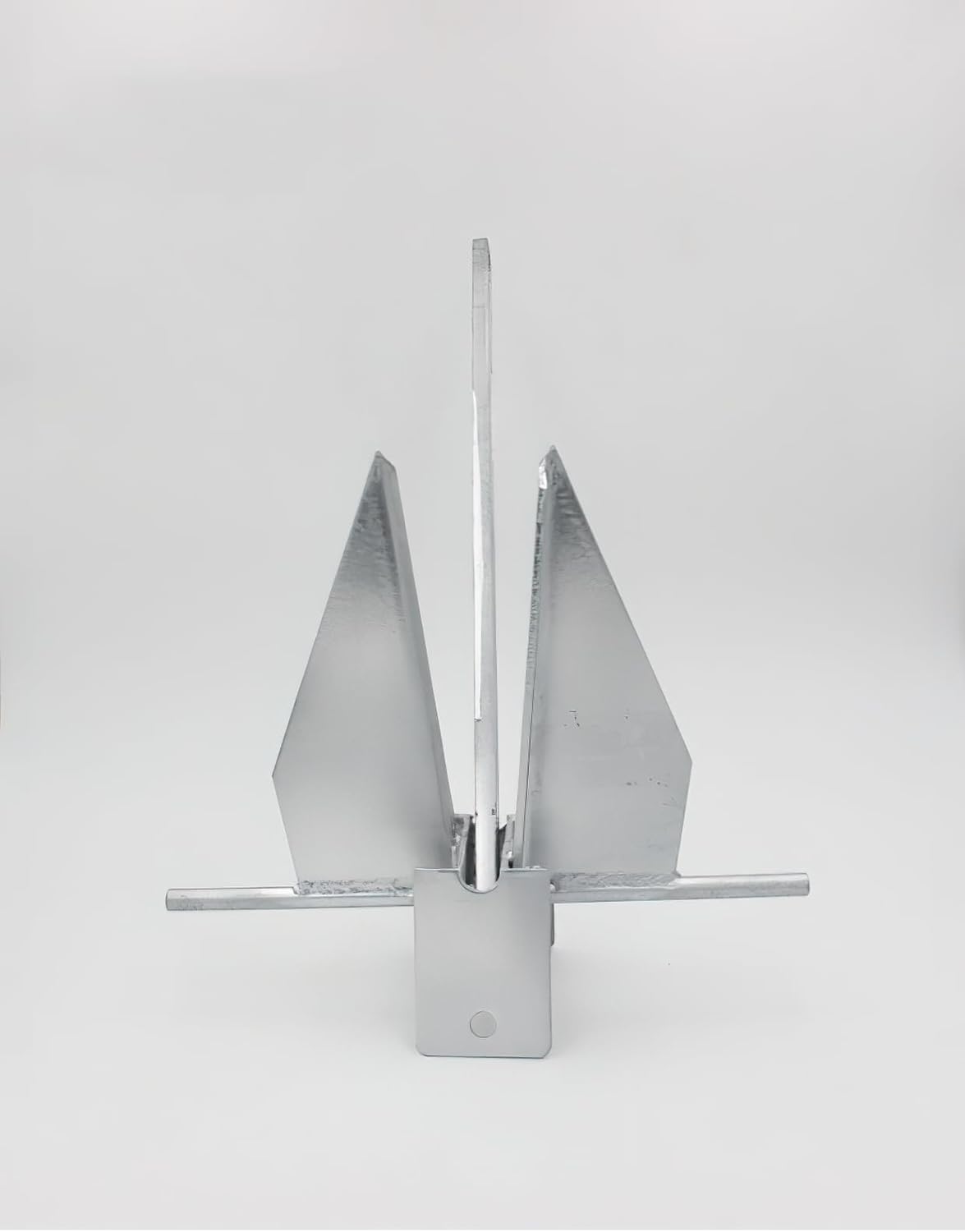
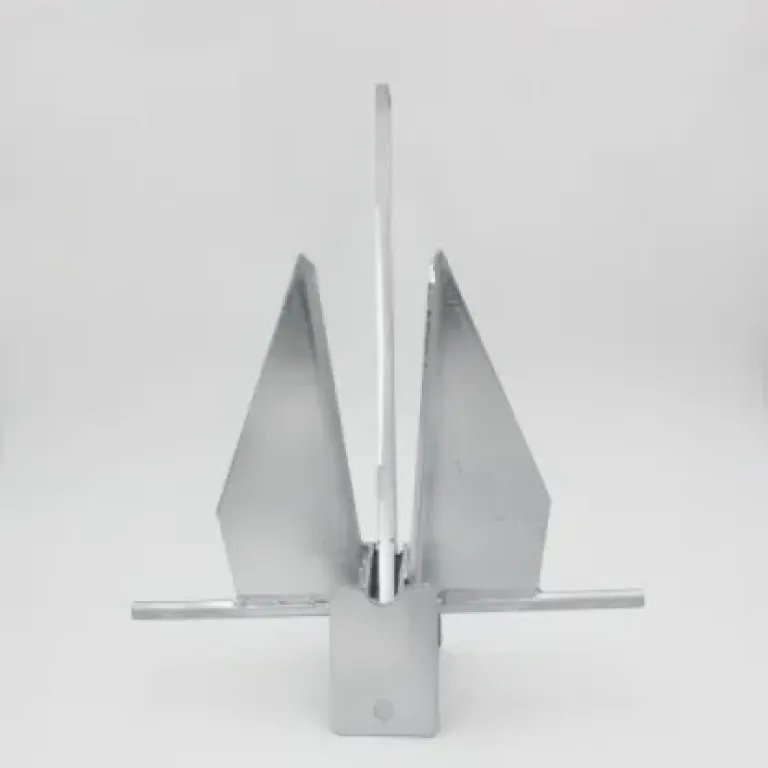
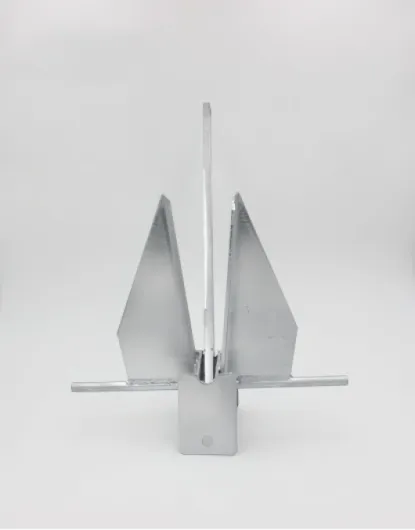
The product page mixes terms – they call it a “rotating claw anchor” but also mention Danforth, which is actually a different design (flat fluke anchor). What I received is clearly a claw-style anchor, similar to a Bruce-type, with a rotating joint between the shank and the claw. The idea is that the anchor can align itself with the seabed and with the pull of the rope more easily, so it can reset if the wind or current shifts.
The claws are fairly wide and a bit thick, not razor sharp like some high-end anchors, but enough to bite into sand and mud. The shape is quite compact, which is handy if you have a small bow roller or limited storage. On my 6.5 m boat, it fit fine in the anchor locker. On my friend’s 7.5 m sailboat, it sat ok on the bow roller but didn’t lock in as nicely as his usual anchor – we had to lash it down with a line to keep it from moving.
One thing I liked: the rotating section actually works. When I dropped it in about 6 m of water and let the boat swing with the wind, I could see from the rope angle that the anchor had turned and re‑set a couple of times. No sudden dragging, it just adjusted. That’s reassuring for casual anchoring where the direction can change during the day. However, the rotation also adds one more potential wear point over time, especially if the galvanization chips there.
Design-wise, it’s clearly focused on being simple and functional, not pretty. No fancy branding or polished edges. Just steel, welds, and zinc coating. I’d say the design is practical for small leisure boats, but the confusing description (claw vs Danforth) doesn’t inspire a lot of trust in whoever wrote the listing. Luckily, what you get is usable; you just need to visually check you’re getting the claw version if that’s what you want.
Materials and build: decent galvanization, budget rope and chain
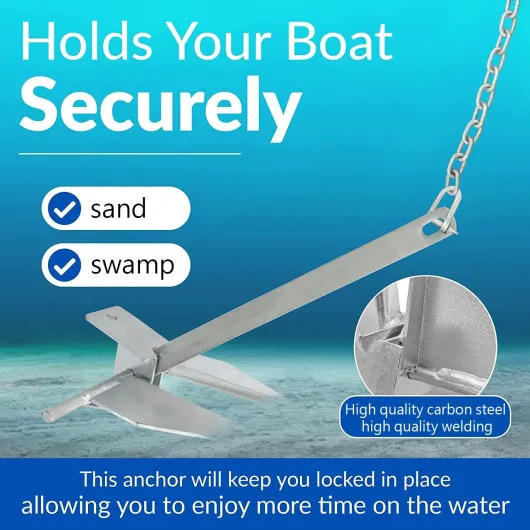
The anchor is made from hot‑dipped galvanized steel, which is standard for this kind of gear. When I unboxed it, the coating looked even, with no obvious bare spots or rust. After several outings in salt water, including leaving it wet in the locker for a few days, I only saw some very light discoloration at the edges and welds – nothing serious yet. So on the anchor itself, the material choice seems solid for recreational use.
The welds are not as clean as on big-name marine brands, but they’re not scary either. A couple of spots look a bit rough, but I didn’t see cracks or obvious weaknesses. If you’re the type who checks gear carefully, you’ll probably give it a close look before trusting it long term, but for now, it holds up fine. I’d still re‑inspect it after a season, especially around the rotating joint and the claw tips.
The chain is also galvanized, but it doesn’t look as heavily coated as the anchor. Links are on the lighter side; it’s not the heavy chain you see on boats that anchor a lot in rough conditions. For my tests in 3–8 m depths, it was enough to help the anchor lie flatter on the bottom, but I wouldn’t trust this thin chain as my only line of defense in a blow. If you plan to anchor overnight or in stronger winds, I’d seriously consider upgrading to a longer and slightly heavier chain.
The nylon rope is clearly budget grade. It’s functional: it floats, it’s flexible enough, and it doesn’t tangle too badly. But the feel is a bit stiff and plasticky compared to marine ropes from known brands. The splices and knots were acceptable, but I re‑did the bow end myself because I didn’t love the factory finish. For a casual boater, the supplied rope is usable. For regular or demanding use, I’d treat it as an initial rope that you’ll probably replace after a season or two.
Durability after first outings: anchor looks solid, accessories more questionable
Durability is always tricky to judge quickly, but after several uses in salt water and some lazy rinsing (I’ll be honest, I didn’t wash it every single time), the anchor itself is holding up well. No real rust patches yet, just a few small marks at the edges and where it rubs in the locker. That’s pretty normal. The hot-dip galvanization seems decent, not the thickest I’ve seen, but good enough for a few seasons if you don’t abuse it.
The rotating joint hasn’t shown any noticeable play so far. It still turns smoothly under load and by hand. That’s one spot I’ll keep an eye on, because if that seizes or wears prematurely, you lose the main design advantage. For now, though, there’s no grinding or weird noise, and no flaking of the coating there.
The chain is already showing a bit more wear than the anchor. A couple of links have light surface rust where the galvanization rubbed off against the bow roller and locker hardware. Nothing dramatic yet, but it confirms my impression that the chain is the “consumable” part of this kit. If you use the boat a lot, I wouldn’t be surprised if you end up replacing the chain in a season or two. The shackles are similar: functional, but I swapped one out for a better one I already had because I trust it more.
The rope hasn’t frayed much yet, but the outer fibers look slightly fuzzy where it ran through the fairlead and cleat. Again, that’s normal, but compared to better ropes I own, it feels like it will age faster. I’d call the whole kit good enough for a casual boater over a couple of seasons, as long as you rinse it once in a while and check the chain and rope regularly. For heavy or professional use, I’d invest in higher-spec components instead of relying on this long term.
Performance on the water: holds fine in light to moderate conditions
In terms of real use, the anchor did what I expected for daytime anchoring in calm to moderate weather. On sand and mud, it set pretty quickly. I usually drop it, let the boat drift back a bit, then give a gentle reverse with the engine. With this kit, I felt it bite after about 1–2 m of drag most of the time in 4–6 m of depth. Once set, the boat stayed put for swimming and lunch, with winds around 10–15 knots.
I tried it in a small bay with a mixed bottom (sand with some rocks). There, it took a bit longer to catch. The first drop, it skated over the rocky patches before finally digging into a sandier spot. That’s normal behavior for a claw anchor. Once it bit, it held the boat (6.5 m open boat) without any obvious dragging for about an hour. I still wouldn’t sleep on this in that kind of bottom with rising wind, but for a short stop it did the job.
One limitation shows up quickly: the short 2 m chain. In choppy water, the pull angle on the anchor becomes steeper than ideal, which can make it pop out more easily. I noticed that when a few bigger wakes hit us from passing boats; the bow jerked and the rope went tight in a more vertical angle. The anchor didn’t fully break free, but you can feel the system is less forgiving than a setup with 5–8 m of chain. With more chain, you get a flatter pull and better holding.
For the kind of use most casual boaters have – anchoring for a swim, a picnic, a bit of fishing in good weather – the performance is decent but nothing more. If you’re expecting it to keep a heavier 9 m boat glued in place overnight in 20+ knots of wind, that’s optimistic. I’d rate it as reliable for light duty, with clear limits once conditions get rougher.
What you actually get in the box
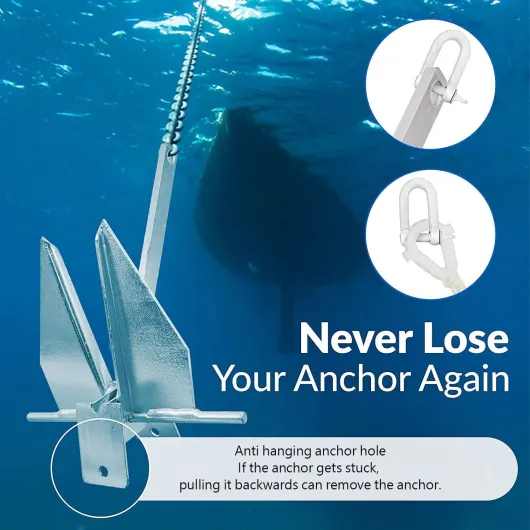
The kit is pretty straightforward: you get a 6 kg galvanized claw-style anchor, about 2 m of galvanized chain, two shackles, and a 30 m nylon rope already attached. Everything came in a plain cardboard box, no fancy bag or storage system. When I opened it, it looked like industrial hardware more than a polished marine product, but at least nothing was missing or damaged.
The anchor itself is medium size, roughly what you’d expect for boats around 5–7 m. The product page says up to 9.5 m, but honestly, for anything close to that length, especially a heavier boat, I’d want more weight and more chain. The kit weighs about 10.7 kg total according to the packaging, which lines up: 6 kg anchor plus chain and rope. The claws are fairly wide and the shank has a rotating section near the head, which is meant to help it set and reset if the boat swings.
The chain is the weak point on paper: 2 m is really short. On my usual setup I run at least 5–8 m of chain on a similar size boat. The rope is 30 m of nylon, which is enough for shallow bays and lakes, but if you regularly anchor in more than 10 m depth you’ll quickly hit the limit, because you should be putting out 3–5 times the depth in scope. For a casual user in 3–6 m of water, it’s workable, but it leaves less margin.
So overall, in terms of content, you get a basic but complete starter kit. You can literally tie it to your bow cleat and go. But if you already own decent chain or want a more robust system, you’ll probably see this more as a temporary or backup solution than your main anchor for rough conditions.
Pros
- Complete kit (anchor, chain, rope, shackles) ready to use out of the box
- Claw anchor with rotating head sets fairly well in sand and mud for day use
- Hot-dipped galvanized steel on the anchor offers decent corrosion resistance for the price
Cons
- Only 2 m of chain, which limits holding power and safety margin in rougher conditions
- Budget-grade rope and hardware that you may want to upgrade after some use
- Listed for boats up to 9.5 m, but in practice better suited to smaller and lighter boats
Conclusion
Editor's rating
Overall, this NIDAYE 6 kg anchor kit is a practical, no-frills solution for small boats that mostly go out in decent weather. The anchor itself is the strong point: the claw design with a rotating head sets fairly easily in sand and mud, and held my 6.5 m boat steady for typical day trips. The hot-dip galvanization looks decent so far, and I don’t see any obvious red flags on the metal side after several saltwater outings.
The weak spots are the accessories: only 2 m of chain and a basic nylon rope. For short daytime stops in shallow water, it’s enough. But if you’re thinking about overnight anchoring or bad weather, I’d either add more chain or look for a beefier setup. The brand isn’t a big name, and you can feel that in some finishing details, but for the price bracket it’s roughly what I expected: decent but nothing more.
I’d recommend this kit to new boat owners, people with small center consoles, pontoons or little sailboats up to around 7 m who just want a simple, complete anchor kit for calm conditions. It also makes sense as a backup or secondary anchor. If you have a heavier boat close to 9–9.5 m, anchor a lot, or care about long-term durability, I’d skip this and build a more robust system with better chain and rope from the start.