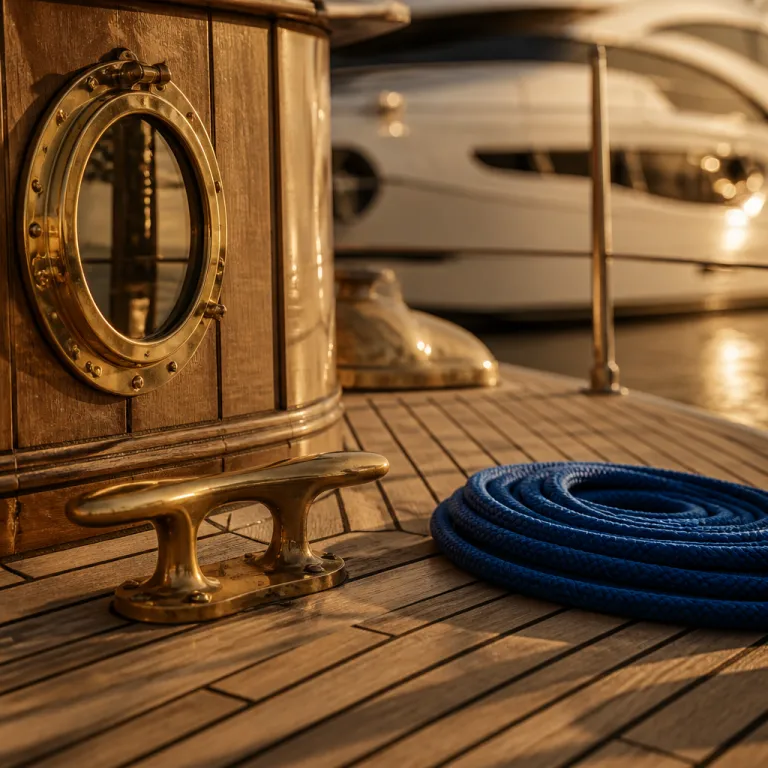

Marguerite yacht in context: a Lürssen classic that still shapes expectations
The Marguerite yacht sits in a rarefied group of historic Lürssen builds that quietly shaped what we now call a modern luxury yacht. Delivered in 2004 as a full custom project originally known as Avanti, the 61.26-metre (201 ft) steel and aluminium motor yacht was built at Lürssen’s Rendsburg facility for an experienced American owner. As a large motor yacht from a yard already famous for naval craft and early superyacht projects, Marguerite bridged the gap between traditional seagoing robustness and a new era of lifestyle focused design at sea. For serious yacht enthusiasts, the yacht Marguerite offers a case study in how a single vessel can influence both bespoke construction and the wider luxury charter market.
Built by Lürssen as a fully custom project, Marguerite carried the DNA that later defined every custom Lürssen superyacht, from hull engineering to the way the beam draft balance was calculated for comfort. With a beam of approximately 11.4 metres (37.4 ft) and a draft close to 3.5 metres (11.5 ft), she combined generous interior volume with reliable access to popular cruising grounds. The shipyard’s ability to tailor a Lürssen custom project around an owner’s wishes while preserving seaworthiness helped set benchmarks that still guide luxury charter expectations today. When you view Lürssen projects across decades, you can trace a clear design evolution that runs straight through the profile and interior of the Marguerite yacht and her near sisters in the 60-metre range.
Historic yachts like Marguerite also changed how owners and charter brokers think about long range cruising speed and fuel efficiency. Instead of chasing only top speed in knots, naval architects began optimising hull forms for a comfortable cruising speed in knots that matched real world usage patterns. Marguerite’s twin Caterpillar diesel engines, each rated at around 1,950 kW, deliver a top speed in the region of 15–16 knots, yet her most efficient passage making occurs closer to 12–13 knots. That shift, visible when you view the Marguerite yacht in technical documentation and period brochures, still informs how new charter yachts and private yachts are specified for bluewater passages.
Exterior lines, deck life and the rise of lifestyle focused superyachts
From the quay, the Marguerite yacht presents a profile that is purposeful rather than flashy, yet every line hints at the coming age of lifestyle driven superyacht design. Her exterior styling, with a raked bow, long sheer and understated superstructure tiers, reflects Lürssen’s early 2000s language of quiet authority. The hull form and superstructure show how Lürssen balanced a generous beam draft ratio with a relatively modest air draft, allowing the motor yacht to access more harbours while still offering expansive exterior decks. For design minded observers, this combination of practicality and luxury on the main deck and upper deck marked a turning point in how yachts were drawn and engineered.
Life on deck aboard Marguerite anticipated many features now taken for granted on luxury yachts and charter yachts. Large open aft terraces, sheltered side walkways and a carefully tiered sun deck created multiple zones where guests could enjoy a panoramic view without feeling exposed to wind or spray. Early marketing material emphasised how the sun deck could shift from a family friendly lounging area by day to an open air dining terrace at night, long before such flexibility became standard. While a modern superyacht might feature a vast deck jacuzzi and beach club, Marguerite’s arrangement of outdoor lounges and dining areas already showed how exterior spaces could rival the interior in importance for both private use and future luxury charter operations.
Historic photos of the Marguerite yacht reveal how tenders and toys were integrated without overwhelming the clean lines of the decks. Instead of clutter, the design used discreet cranes and recessed storage so that the main deck remained a social stage for guests, whether the yacht was at anchor or underway at a steady cruising speed. One former captain quoted in brokerage notes described the boat deck as “a working platform that disappears when the toys are launched,” a concise summary of the design intent. For enthusiasts who study classic yachts sale listings, this thoughtful approach to deck planning is often what separates a timeless Lürssen custom build from more ordinary motor yachts of the same era.
For collectors and model builders, Marguerite’s exterior also inspired several scale replicas that highlight her balanced proportions. Enthusiasts comparing her to iconic racing craft often turn to detailed wooden models such as a J Class wooden sailing yacht model to understand how classic lines translate from sail to motor. This cross reference between sailing heritage and motor yacht evolution underlines why Marguerite still resonates with readers who follow yacht design closely today.
Interior philosophy: from formal salons to relaxed luxury charter comfort
Step inside the Marguerite yacht and you enter a world that prefigured today’s relaxed yet refined superyacht interiors. While the décor reflected its era, with rich wood panelling and traditionally upholstered furniture, the underlying interior layout prioritised flow, natural light and clear sightlines between salons, dining areas and guest corridors. The main saloon, dining room and sky lounge were arranged to allow informal movement rather than rigid formality, a notable departure from earlier compartmentalised plans. That philosophy, later refined by designers such as Andrew Winch and his studio Winch Design, became a template for how a luxury yacht should feel when guests move from one space to another.
Although Marguerite predates many contemporary collaborations, her interior approach aligns closely with what Andrew Winch and Winch Design would later champion in custom Lürssen projects. Generous ceiling heights, carefully framed view corridors and a subtle separation between guest and crew areas all appear in the general arrangement plans. The yacht typically accommodates around 12 guests in six cabins, including a full beam owner’s suite forward on the main deck, with staff housed in well organised crew quarters below. When you view Lürssen portfolios today, you can see how these early decisions on yachts like Marguerite informed the studio’s later work on large motor yachts and superyachts designed for both private use and luxury charter service.
Comfort systems also evolved significantly, and Marguerite’s specification shows how early adoption of advanced air conditioning transformed life on board. Instead of treating air conditioning as a simple technical add on, the engineering team integrated it with insulation, glazing and ventilation to maintain stable temperatures in every interior cabin and lounge. Refit documentation from the 2010s notes upgrades to chillers and control systems to improve efficiency and reduce noise, ensuring that guest areas remained quiet even when the yacht operated in warmer climates. That holistic approach, now standard on charter yachts and private yachts alike, is one reason why historic vessels like the Marguerite yacht can still compete with newer yachts charter options after careful refits.
For readers interested in how innovation and comfort converge, Marguerite sits within a broader narrative of motor yacht evolution. A useful comparison can be drawn with more recent projects examined in this analysis of innovation and luxury at sea, where cutting edge systems build on foundations laid by earlier Lürssen builds. In both cases, the goal remains the same: to create interiors where guests feel at home while still aware they are travelling aboard a serious ocean going yacht.
Performance, speed in knots and the engineering behind comfort
Behind the elegant profile of the Marguerite yacht lies a technical platform that was advanced for its time and still instructive today. Twin Caterpillar 3512B diesel engines drove the motor yacht to a respectable top speed in knots, yet the naval architects optimised the hull for a lower cruising speed in knots where fuel burn, vibration and noise were significantly reduced. At around 12 knots, broker performance sheets indicate a range of roughly 7,000 nautical miles, placing Marguerite firmly in the transoceanic cruiser category. This focus on real world performance rather than headline numbers helped shape how later superyacht projects balanced speed, range and comfort.
When naval engineers calculated Marguerite’s beam draft ratio, they aimed for a sweet spot that would provide stability at anchor without sacrificing access to shallower cruising grounds. Fin stabilisers were specified to reduce roll both underway and at rest, a feature that has since become almost universal on large motor yachts. That balance remains a key selling point whenever a historic yacht like Marguerite appears on the yachts sale market, because it directly affects where guests can travel and how the yacht behaves in a seaway. For charter brokers assessing potential charter yachts, such technical details are as important as the number of cabins or the style of the interior décor.
Performance data from the Marguerite yacht also illustrates how speed in knots figures must be interpreted in context. A yacht that can sprint briefly at high speed may still be less comfortable and less efficient than a vessel like Marguerite that is optimised for a steady cruising speed over long passages. One long serving engineer recalled in a survey report that “she feels happiest at 12 knots, when the engines are loaded correctly and the whole boat settles into an easy rhythm.” For readers comparing yachts charter options, understanding this distinction helps explain why some classic Lürssen custom builds remain attractive for luxury charter, even when newer yachts advertise higher maximum speed in knots.
For those who follow industry awards and technical recognition, Marguerite’s engineering legacy feeds into the criteria used to judge modern builds. A detailed guide to how categories such as design, innovation and comfort are evaluated can be found in this overview of what superyacht awards really reward. Many of the benchmarks applied to contemporary motor yachts have roots in the kind of balanced performance envelope first demonstrated by yachts like the Marguerite yacht.
Ownership, charter potential and the economics of a historic Lürssen
Whenever the Marguerite yacht appears in market conversations, two questions arise immediately: what is the realistic price and how viable is she for charter. Historic Lürssen yachts occupy a particular niche where build pedigree, refit history and operational costs must all be weighed against the emotional appeal of owning a classic motor yacht. For some buyers, the decision is driven as much by passion for maritime heritage as by spreadsheets and projected charter income.
On the sales side, brokers evaluating a yacht Marguerite style vessel look closely at structural surveys, machinery upgrades and compliance with current safety regulations. A well maintained custom Lürssen with documented refits can command a higher price than younger yachts sale competitors that lack such provenance. Industry reports from leading brokerage houses suggest that high pedigree German superyachts of this size can retain 50–60% of their inflation adjusted build cost after 15–20 years, provided they remain in class and receive regular yard periods. At the same time, potential owners must budget for ongoing maintenance, crew salaries and periodic yard periods, all of which are essential to keep a historic superyacht in charter ready condition.
From a charter perspective, Marguerite’s layout and volume can still work well for luxury charter itineraries if the interior has been sensitively updated. Guests today expect en suite cabins, reliable air conditioning and modern entertainment systems, yet many appreciate the character and craftsmanship that only a classic Lürssen custom build can offer. Charter brokers who understand this segment often position such yachts charter options as experiences in living history, where cruising speed, deck spaces and attentive crew service matter more than the latest fashion in exterior design.
For owners considering whether to place a Marguerite yacht style vessel into a yacht charter program, the key is alignment between expectations and reality. A charter yacht of this vintage may not match the amenities of the newest luxury yacht, but it can offer something rarer: a tangible connection to the evolution of large motor yachts and the Lürssen tradition. When marketed honestly and maintained to high standards, such a yacht can attract a loyal base of repeat guests who value authenticity over novelty.
Crew culture, guest experience and the human side of Marguerite
Hardware alone never made the Marguerite yacht special; the human element has always been central to her reputation. A well trained crew transforms a finely engineered motor yacht into a welcoming home at sea, and historic vessels demand even more skill and dedication. Many captains and senior officers who served on yachts of Marguerite’s generation speak of the pride that comes with maintaining a custom Lürssen to the standards expected by both owners and guests.
On board, the daily rhythm of life blends traditional seamanship with modern hospitality, especially when the yacht operates in a luxury charter role. Guests may arrive drawn by the yacht’s history and design, but they return because of the way the crew anticipates needs, manages logistics and keeps operations smooth behind the scenes. One former charter guest described the experience in a broker testimonial as “like staying in a grand waterfront residence that just happens to move overnight.” In this sense, the Marguerite yacht exemplifies how crew culture can elevate the experience on both private yachts and charter yachts, turning a voyage into a lasting memory.
For readers considering a career at sea, serving on a yacht Marguerite type vessel offers a unique apprenticeship. Crew members learn to operate classic systems alongside updated technology, to care for original joinery while managing modern amenities such as advanced air conditioning and entertainment networks. That blend of old and new, of respect for heritage and commitment to contemporary service standards, is part of what keeps historic Lürssen yachts relevant in a market crowded with newer superyachts.
Market perception, media coverage and why Marguerite still matters
Even as new launches dominate yacht news cycles, the Marguerite yacht continues to attract attention from journalists, historians and serious enthusiasts. Each time a major refit is announced or a change of ownership occurs, the yacht reenters the conversation about how classic motor yachts should be preserved and used. Coverage in specialist magazines often notes that Marguerite has remained in active service rather than becoming a static asset, reinforcing the idea that well maintained heritage yachts can still earn their keep. This recurring interest reflects not nostalgia alone but recognition that Marguerite helped define the template for many later luxury yachts and charter yachts.
Media coverage often highlights the way Marguerite’s design anticipated trends that only became mainstream decades later, from expansive deck spaces to guest focused interior layouts. When analysts view Lürssen portfolios across time, they frequently use Marguerite as a reference point to explain how the yard moved from robust custom builds to today’s highly individual superyachts. For readers tracking yachts sale listings and charter marketing, this context helps explain why certain names, including Marguerite, carry enduring weight.
In the broader narrative of yacht design and ownership, Marguerite stands as a reminder that true innovation often looks understated at first. Her balanced beam draft proportions, practical cruising speed and carefully planned decks may seem modest beside the latest concept yachts, yet they continue to influence how naval architects and designers approach new projects. For anyone passionate about yachts charter experiences or considering a future purchase, understanding the legacy of the Marguerite yacht offers a clearer view of where the industry has come from and where it may be heading next.
Key figures and technical highlights of historic Lürssen yachts
- According to Lürssen’s published fleet data, more than 70 motor yachts over 60 metres have been delivered by the yard, illustrating how early custom projects like Marguerite laid the groundwork for a dominant position in the large superyacht segment.
- Industry brokerage reports indicate that classic superyachts from top German yards can retain up to 60% of their inflation adjusted build price after several decades, provided they receive regular refits and class compliant maintenance, with figures drawn from aggregated sales data rather than a single transaction.
- Charter market analyses from leading brokerage houses show that well presented historic yachts can achieve weekly luxury charter rates only 15–25% below comparable modern yachts, especially when they offer generous deck spaces and upgraded air conditioning systems, a trend repeatedly noted in annual market reviews.
- Technical surveys of classic Lürssen custom builds reveal that many maintain a comfortable cruising speed between 12 and 15 knots, a range still considered optimal for fuel efficiency and guest comfort on long passages and frequently cited in naval architecture guidance.
- Data from major yacht shows indicates that vessels over 40 metres with documented pedigree, such as early Lürssen projects, consistently attract higher visitor interest than anonymous production yachts, underlining the enduring appeal of heritage in the yachts sale market and in subsequent brokerage reports.
FAQ about the Marguerite yacht and historic Lürssen superyachts
How does the Marguerite yacht compare to modern Lürssen superyachts
Marguerite lacks some of the extreme amenities of the newest Lürssen flagships, yet her hull engineering, beam draft balance and deck layouts already reflect principles still used today. Modern yachts may offer larger beach clubs, pools and more elaborate interiors, but the underlying focus on seaworthiness and guest comfort remains consistent. For many enthusiasts, this continuity is precisely what makes a historic custom Lürssen so compelling.
Is a yacht like Marguerite suitable for luxury charter operations
A well maintained Marguerite yacht style vessel can be very attractive for luxury charter, provided safety systems, air conditioning and guest areas have been updated. Charter clients who appreciate history often value the character and craftsmanship of a classic motor yacht as much as they enjoy modern amenities. Success depends on transparent marketing, a skilled crew and a charter broker who understands how to position a historic yacht in the market.
What should buyers consider before purchasing a historic Lürssen yacht
Prospective owners should commission thorough structural and mechanical surveys, review refit records and understand ongoing maintenance commitments. A classic custom Lürssen can hold value well, but only if the owner is prepared to invest in regular yard periods and high calibre crew. Buyers should also assess whether they plan primarily private cruising or intend to offset costs through yacht charter activity.
Why are beam and draft so important on older motor yachts
Beam affects interior volume and stability, while draft determines which cruising grounds a yacht can safely enter. On historic yachts like Marguerite, a carefully chosen beam draft combination allows comfortable motion at sea without limiting access to popular anchorages and marinas. This balance is a key reason why some older superyachts remain practical and desirable decades after launch.
Do historic yachts require more crew than modern yachts of similar size
Classic motor yachts often rely on more manual systems and traditional maintenance routines, which can increase crew workload compared with highly automated modern yachts. However, thoughtful refits that update machinery and hotel systems can reduce this gap significantly. Owners of Marguerite yacht type vessels typically prioritise experienced crew who appreciate both heritage and contemporary operational standards.