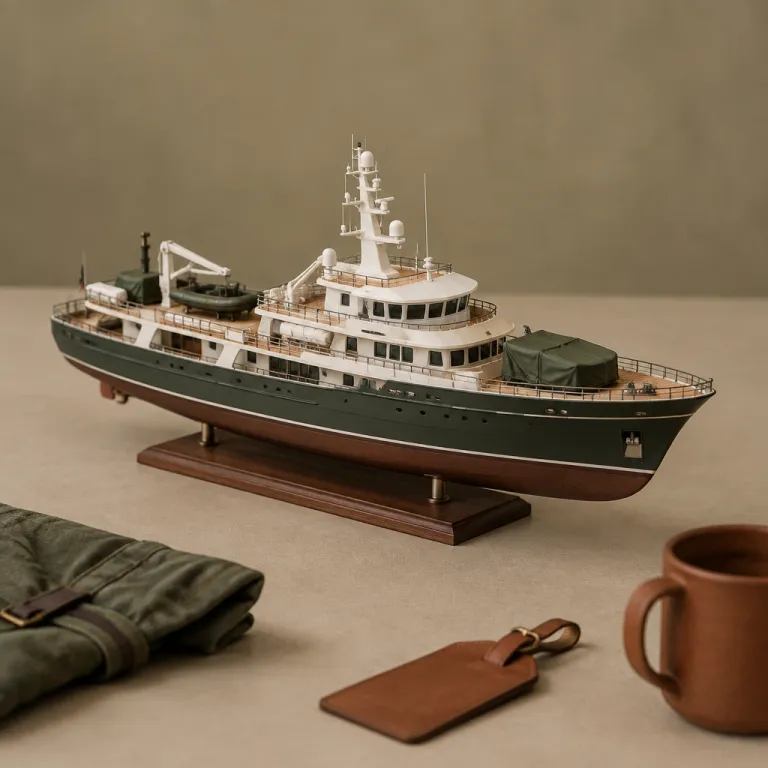
Antarctica yacht charter: a discreet frontier for expedition yacht voyages
Why an antarctica yacht charter is the ultimate hidden gem
An antarctica yacht charter offers a level of intimacy that large expedition ships cannot match. For yacht enthusiasts, this remote antarctic frontier turns from a distant dream into a tailored expedition where the crew knows every preference and every limit. The result is a series of experiences that feel both intensely private and deeply connected to the raw wildlife of the white continent.
On a well prepared yacht expedition, the vessel typically carries between 8 and 12 guests, which keeps operations agile while maintaining safety margins in heavy ice. This scale allows the captain and polar antarctica guide to adjust the charter itinerary daily, following whales along the antarctic peninsula or diverting toward quieter islands when penguin colonies become crowded with other yachts. Such flexibility defines the modern charter yacht approach in antarctica, where the ability to adapt to conditions is as important as any piece of navigation technology.
Unlike classic tropical yacht charter routes, an antarctica yacht must be an ice capable expedition yacht with reinforced hull, redundant systems, and a polar trained crew. The charter fleet operating here remains small, which preserves the sense of privilege and keeps the impact on wildlife relatively contained. For readers passionate about yachts, this scarcity means that planning a charter antarctica program requires early dialogue with a knowledgeable charter broker who understands both yachts charter logistics and the environmental framework governing every visit, including guidelines derived from the Antarctic Treaty System and the International Association of Antarctica Tour Operators (IAATO) annual reports.
Designing a safe and rewarding charter itinerary in antarctica
Building a safe charter itinerary for an antarctica yacht charter starts with understanding the rhythm of the antarctic season. Early voyages often focus on dramatic ice formations and the first penguin colonies, while later in the season the same islands host more active wildlife and more visible whales. Each phase offers a different experience, so guests should align their expectations with the natural calendar rather than a fixed tourism schedule.
Most private yachts charter programs begin around the antarctic peninsula, using sheltered channels and bays as staging points for daily tender operations. A typical yacht expedition will include a transit through the lemaire channel when conditions allow, a visit to port lockroy for its historic station, and time along the south shetland and shetland islands for flexible wildlife viewing. The charter yacht captain and antarctica guide constantly assess ice charts, wind patterns, and wildlife reports to refine the route, ensuring that every visit respects both safety and conservation rules.
Experienced charter broker teams often combine antarctica yacht routes with pre or post cruise logistics in South America, typically using embarkation hubs such as Ushuaia, Punta Arenas, or Puerto Williams, mirroring the customs planning that Caribbean and Bahamas yacht enthusiasts know from resources such as this detailed guide to navigating customs procedures for yacht owners. In polar waters, however, the operational margin is slimmer, so the vessel must carry extra fuel, provisions, and technical spares. Guests who appreciate the behind the scenes work of a professional crew will quickly see how much planning stands behind every apparently effortless view of a calving glacier or a resting penguin on the ice.
Signature routes: antarctic peninsula, south georgia, and beyond
For many yacht passionate travelers, the antarctic peninsula is the natural starting point for an antarctica yacht charter. Its fjord like channels, sculpted icebergs, and relatively protected anchorages make it ideal for a first expedition yacht experience, especially when combined with the nearby south shetland islands. From here, a longer charter itinerary can extend toward south georgia, where wildlife density and penguin colonies reach almost surreal levels.
South georgia sits far from the main antarctic peninsula routes, yet it rewards the extra sailing time with immense king penguin colonies and dramatic mountain backdrops. A capable vessel with ocean crossing range and a seasoned crew is essential, because the open water between these islands and the white continent can be demanding. Guests who choose this extended yacht expedition often describe the experience as a turning point in their relationship with yachts, shifting from coastal cruising to true blue water exploration.
Some antarctica yacht programs also include deception island, a flooded volcanic caldera where the view from the yacht contrasts sharply with the black sand shores and steam rising from the beach. While these routes feel remote, they share a spirit with other refined hidden gem itineraries, such as a carefully curated yacht journey along the quieter Greek southern Peloponnese. In both cases, the charter fleet remains limited, the focus stays on authentic experiences, and the desire to explore less crowded waters defines the entire yacht charter philosophy.
Life on board an expedition yacht in the white continent
Daily life on an expedition yacht in antarctica balances comfort with constant readiness. The crew runs a tight schedule of briefings, gear checks, and safety drills, yet the atmosphere on board remains relaxed enough for guests to enjoy the view from the lounge or the aft deck. This rhythm allows the vessel to react quickly when whales appear off the bow or when a gap opens in the ice field ahead.
On a well designed antarctica yacht, technical spaces and guest areas are separated so that maintenance never intrudes on the charter experience. Stabilization systems, heating circuits, and tender cranes work quietly in the background while the charter yacht chef focuses on warm, energy rich menus adapted to the antarctic climate. Guests often comment that the contrast between the harsh exterior environment and the refined interior of modern yachts creates one of the most memorable experiences of any yacht charter they have taken.
Because the charter fleet in these waters is small, each vessel tends to develop its own culture and style of yacht expedition. Some yachts charter programs emphasize scientific lectures and detailed antarctica guide briefings, while others lean toward photography workshops or wellness focused routines. Whatever the emphasis, the commitment to respect wildlife, minimize disturbance to penguin colonies, and maintain safe distances from ice and whales remains non negotiable across every reputable charter antarctica operation.
Wildlife, ice, and fragile ecosystems: how responsible guests should explore
Every antarctica yacht charter unfolds within one of the most strictly regulated ecosystems on the planet. The antarctic treaty system and the International Association of Antarctica Tour Operators set clear rules on how close a vessel may approach wildlife, how many guests may land at once, and how long each visit may last. For yacht passionate travelers, understanding these frameworks deepens the experience and turns each landing into a conscious privilege rather than a casual excursion.
Responsible guests follow the guidance of the antarctica guide and crew when approaching penguin colonies, seals, or whales, keeping noise low and movements predictable. Walking on the ice requires clean boots, controlled routes, and constant awareness of hidden crevasses, which the expedition yacht team manages through scouting and safety lines. By respecting these protocols, guests help ensure that future yachts charter programs can continue to explore the same islands, bays, and channels without degrading the very wildlife that makes the white continent so compelling.
Many yacht expedition itineraries now integrate citizen science activities, such as photographing whales for identification catalogs or logging sea ice conditions for research projects. These experiences give guests a more active role in each charter itinerary and reinforce the idea that an antarctica yacht is not just a private playground but a platform for meaningful engagement. The same philosophy increasingly shapes high end cruising in other regions, from polar voyages to more temperate yacht charter experiences across the Grenadines for refined sailors, where low impact practices and respect for local ecosystems are becoming standard expectations.
Planning, timing, and choosing the right charter yacht and broker
Securing an antarctica yacht charter requires longer lead times than most Mediterranean or Caribbean bookings. The charter fleet is limited, the operating window is short, and each vessel must comply with strict antarctic regulations, so flexibility on dates and yacht size will significantly improve the chances of finding a suitable option. Yacht passionate clients who start discussions early with a specialized charter broker gain access to the best expedition yacht choices and the most refined charter itinerary concepts.
When evaluating yachts charter options, focus on ice class, range, and the polar experience of the captain and crew rather than only on interior design. A capable vessel for the antarctic peninsula and south georgia must carry robust tenders, redundant navigation systems, and safety gear adapted to cold water operations, all of which directly influence the quality of the experience. Guests should also ask how many previous seasons the yacht expedition team has completed in the white continent, because real world track records matter more here than in almost any other yacht charter destination.
Budget planning for charter antarctica programs must account for higher fuel consumption, specialized insurance, and logistics such as flights and hotel nights at the embarkation port. While these voyages sit at the top end of the yacht market, many experienced owners and charterers consider the experience to be unmatched in terms of wildlife encounters, ice scenery, and the sense of genuine exploration. For those who already know the Mediterranean, Caribbean, and Pacific circuits, an antarctica yacht journey often becomes the defining chapter in a lifetime of yachting experiences.
Key figures shaping the antarctica yacht charter landscape
- According to the International Association of Antarctica Tour Operators, fewer than 2 percent of antarctic visitors travel on small yachts or expedition yacht vessels, which underlines how exclusive the antarctica yacht charter segment remains compared with larger cruise operations.
- IAATO data shows that the majority of visitors concentrate along the antarctic peninsula and nearby islands, while only a smaller fraction reach south georgia or deception island, so private charter yacht programs can still access relatively uncrowded anchorages even during peak weeks.
- Typical small yacht expedition programs in the white continent carry between 8 and 12 guests, whereas mainstream expedition ships often host over 150 passengers, which highlights the more intimate scale and higher crew to guest ratio of a dedicated antarctica yacht experience.
- Environmental guidelines limit the number of guests ashore at many landing sites to 100 at a time, which means that a single private vessel rarely reaches the cap, allowing more flexible visit durations and more personalized wildlife viewing opportunities.
- Ice capable yachts charter operations usually plan fuel reserves with at least a 20 to 30 percent safety margin over calculated consumption, reflecting the unpredictable nature of ice navigation and the need for detours or extended sheltering in bays and channels.
FAQ about antarctica yacht charter voyages
How long should an antarctica yacht charter last for a first visit ?
For a first experience, most yacht passionate travelers choose a 10 to 14 day charter itinerary focused on the antarctic peninsula and the south shetland islands. This duration allows for weather delays, several wildlife rich landings, and at least one transit through iconic channels such as the lemaire channel. Shorter voyages can feel rushed, while longer expeditions often add remote areas like south georgia for guests with more time.
What type of yacht is best suited to antarctic conditions ?
The ideal antarctica yacht is an ice strengthened expedition yacht with proven polar experience, robust heating systems, and reliable tenders for shore operations. Steel hulls with appropriate ice class, high capacity fuel tanks, and redundant navigation electronics are standard features in this charter fleet segment. Comfort remains high, but safety, range, and crew expertise take priority over purely aesthetic considerations.
How close can guests get to wildlife such as penguins and whales ?
Distances to wildlife are regulated by antarctic guidelines, which typically require several metres of separation from penguin colonies and greater distances from seals and whales. The antarctica guide and crew enforce these rules during every landing and zodiac cruise, adjusting positions based on animal behaviour. Respecting these limits ensures that the experience remains sustainable and that future yachts charter operations can continue to visit the same sites.
When is the best period for an antarctica yacht charter ?
The main charter antarctica season runs during the austral summer, when sea ice retreats enough to allow safe navigation for private yachts. Early season offers pristine snow and dramatic ice, while later months bring more active wildlife, larger penguin chicks, and increased whale sightings. The best timing depends on whether guests prioritise scenery, wildlife behaviour, or a balance of both.
Do I need previous expedition experience before booking an antarctica yacht ?
Previous expedition experience is not mandatory, because the crew and antarctica guide handle technical aspects and safety procedures. However, guests should be comfortable with cold weather, small boat transfers, and a flexible mindset, as ice and wind can change the daily plan quickly. Many yacht passionate travelers use their first antarctica yacht charter as an introduction to high latitude cruising before considering more advanced polar routes.