Why a Peloponnese yacht charter in August feels like cheating peak season
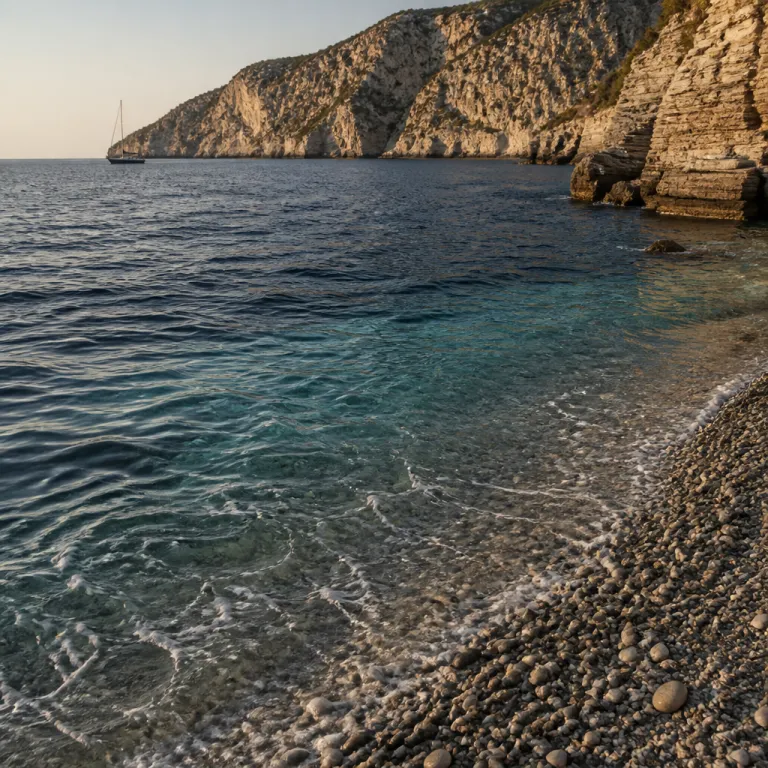
On a Peloponnese yacht charter in August, the first surprise is silence. While charter Greece fleets funnel towards the Cyclades and the Saronic Islands, the southern Peloponnese keeps its harbours half empty and its clear waters almost private. For anyone passionate about sailing Greece at the height of summer, this coast offers the best balance between warm sea, reliable wind and uncrowded anchorages.
The reason is brutally simple and deeply practical for any charter guide. There are no direct ferry connections from Piraeus to most of this wild Greek shoreline according to current Hellenic Seaways and Blue Star timetables, so casual tourists stay on the islands and leave these beautiful bays to sailing yachts and a few local fishing boats. Longer sailing distances from the main charter Greece bases in Alimos and Lavrion also deter many charter yachts, especially larger motor yachts that prefer the Saronic Gulf marinas and the more obvious Greek islands.
For a week sailing itinerary, that distance becomes an asset rather than a cost. A Peloponnese sailing route between Kalamata and Gytheio feels like shoulder season in July August, even when every berth in the Saronic Islands and the Ionian Islands is spoken for. You read the gridded forecasts, see the meltemi howling over the Cyclades at 25–35 knots in the Hellenic National Meteorological Service bulletins, then look at the softer 12–20 knot gradient over the Laconian Gulf and realise this is the Greece yacht move that seasoned guests quietly make.
The coast itself does not try to seduce you with postcard clichés. Instead, the southern Peloponnese offers natural beauty that feels uncurated, with olive groves running down to the sea and stone Mani towers watching over tiny harbours where a single sailing yacht can transform the skyline. On an August cruise along this shore, the absence of crowds becomes part of the luxury, especially when your boat is the only one anchored off a village where the taverna serves what the small boats landed that morning.
A week sailing route from Kalamata or Gytheio that feels like a secret
Start your Peloponnese yacht charter in August in Kalamata, where provisioning is easy and Kalamata Marina (approx. 250 berths, VHF 69) welcomes both monohull sailing yachts and wider Fountaine Pajot catamarans. From here, a week sailing south along the Mani lets you trade the busy Ionian Islands and Corfu routes for a coastline where the ratio of yachts to fishing boats still favours the locals. It is a charter sailing choice that rewards guests who value atmosphere over marina nightlife.
On day one, shape a course for Kardamyli or Limeni, two harbours framed by stone Mani towers and backed by mountains that glow pink at sunset. The sailing Peloponnese conditions here are usually gentle in the morning, with a thermal breeze building after lunch that suits a well trimmed sailing yacht better than a heavy displacement boat. Expect an easy 20–25 nautical mile leg from Kalamata on a 160–180° heading, three to five hours under sail for most charter yachts. Many boats that usually work the Saronic Gulf in July August quietly migrate here for a few weeks, precisely because the sea state stays manageable while the Aegean gusts punish the Cyclades.
From the Mani, continue your Peloponnese sailing route around Cape Tainaron, the mythological entrance to Hades and a headland that deserves respect and a conservative sail plan. In settled weather, the clear waters off the cape show a depth of colour that rivals more famous Greek islands, yet you may share the horizon with only one or two yachts. Typical summer winds here run 15–25 knots from the northwest, with a short chop that rewards reefed mainsails and tidy decks, as reflected in long term August averages on local pilot charts. If you enjoy reading about lesser known cruising grounds, this routing has the same off radar appeal as a Turquoise Coast itinerary from Göcek to Kaş that the Aegean crowds never see, described in this hidden Mediterranean cruising week.
Once around Tainaron, aim for Porto Kagio or Gerolimenas for a quiet night, then set your sights on Elafonisos and its crystal clear lagoon. The hop from Porto Kagio to Elafonisos is roughly 35 nautical miles on a 065–075° course, so most skippers leave early to arrive with good light for anchoring. Here, a Peloponnese yacht charter in August finally delivers the archetypal Greek sea and sand combination, but without the flotilla of charter yachts that crowd the Ionian Islands anchorages. Finish the week in Monemvasia, mooring your boat beneath the fortress town in the small harbour (around 30 visitor berths, depths 3–4 m) and walking through alleys that feel closer to Byzantium than to any modern vacation resort.
Anchorage intelligence, harbour realities and life ashore in the Mani
Good harbour sense turns a Peloponnese yacht charter in August from a pleasant cruise into a masterclass in seamanship. Afternoon westerlies funnel down the Mani, so you want anchorages with reliable holding and some protection from the chop that can unsettle lighter charter yachts. A practical charter guide for this coast always starts with ground tackle, fuel range and a realistic view of how your guests handle a lively sea.
In Kardamyli, the small harbour suits a single Greece yacht or two, with depths that favour a moderate draught sailing yacht rather than a deep keel racer. Limeni offers moorings and a steep drop off, so many boats prefer to anchor in clear waters and run a long line ashore, a technique that every skipper on a Peloponnese sailing route should feel comfortable using. Gytheio remains the best stop for fuel and heavier provisioning, with road tankers delivering diesel on the quay near the fishing harbour, several mini markets and a larger supermarket within walking distance, especially if your week sailing plan includes long legs between the few organised ports.
Onshore, the draw is as strong as the sailing Peloponnese itself. Byzantine churches hide in olive groves, Mani tower houses line the hillsides, and fishing tavernas serve plates that reflect exactly what the small boats brought in that day. If you are used to the high season low ceremony of working the July August Mediterranean peak without queuing for a marina berth, as explored in this peak season strategy guide, the southern Peloponnese feels like the logical next step.
Monemvasia deserves at least a full day away from the boat, with its ancient ruins, stone lanes and sea walls that drop straight into crystal clear water. Here, the contrast with busier Greek islands is stark, because even in August the flow of yachts remains modest and the evenings stay quiet. This is where a late summer cruise along this coast proves its value, giving guests both cultural depth and the simple pleasure of returning to a gently moving deck rather than a crowded waterfront hotel.
Wind patterns, yacht choice and why this coast flatters thoughtful skippers
Understanding the wind is the key to enjoying a Peloponnese yacht charter in August. The meltemi that batters the central Aegean loses some of its fury by the time it reaches the Laconian Gulf, so the sea state usually stays kinder than around the more exposed Greek islands. For charter sailing crews who want real sailing without the stress of full gale forecasts, this coast offers a sweet spot between challenge and comfort.
Morning calms often give way to a steady afternoon breeze, building from the west or northwest and aligning nicely with a southbound Peloponnese sailing itinerary. A well balanced sailing yacht will eat up these conditions, while a Fountaine Pajot or similar catamaran gives guests huge deck space and stable platforms for swimming in clear waters. Draught matters in the southern Peloponnese, because several of the most beautiful bays shoal quickly, so skippers should read their charts carefully and avoid pushing a deep keel boat too close to the beach.
When choosing between monohulls and multihulls for a Peloponnese yacht charter in August, think less about marina prestige and more about how your guests actually use the space. Catamarans shine at anchor, with wide transoms that make the sea feel like an extension of the cockpit, while slimmer yachts slice more cleanly through the afternoon chop. Either way, a Greece yacht that carries a decent tender will let you land on remote beaches and explore ancient ruins that lie just beyond the obvious harbours.
This is also a coast where a good skipper acts as a living charter guide, interpreting forecasts, reading the waters and timing passages around Cape Tainaron with respect. The reward is a vacation that feels both curated and free, where each day offers a new balance of sailing, swimming and quiet evenings ashore. For those who like their yachting with a side of coastal elegance, the same mindset that elevates refined Crab Island excursions, as shown in this coastal elegance feature, will serve you well here, because in the end it is not the length overall, but the wake she leaves.
FAQ
Is a Peloponnese yacht charter in August suitable for less experienced crews ?
A Peloponnese yacht charter in August suits moderately experienced crews who are comfortable with basic coastal navigation and anchoring. The winds are generally milder than in the central Aegean, but Cape Tainaron and some open sea legs still demand respect and conservative sail choices. Many guests choose a skippered charter sailing option for their first week sailing here, then return later to bareboat once they know the harbours.
How does the southern Peloponnese compare to the Ionian Islands for a summer vacation ?
The southern Peloponnese is wilder and less developed than the Ionian Islands, with fewer marinas but more dramatic landscapes and quieter anchorages. You will see far fewer charter yachts than around Corfu or Lefkada, and the villages feel more authentically working Greek than purely touristic. If you value natural beauty and space over nightlife, this coast often feels like the best choice for July August.
What size and type of boat works best along the Mani and Monemvasia coast ?
Boats between 11 and 15 metres work well, offering enough comfort for guests without limiting harbour options in small ports like Kardamyli or Porto Kagio. A sailing yacht with moderate draught gives more anchoring flexibility, while a Fountaine Pajot style catamaran offers exceptional living space and stability at anchor. Deep keel racing designs can cruise here, but skippers must pay closer attention to depths in shallower bays.
Are there enough facilities for fuel, water and provisions on a Peloponnese yacht charter in August ?
Facilities are fewer than in the Saronic Gulf or around the busier Greek islands, so planning matters. Kalamata and Gytheio are the main hubs for fuel, water and larger supermarkets, while smaller ports usually offer only basic supplies and a few tavernas. A good charter guide will help you structure your week sailing so that you top up tanks and provisions before the more remote stretches.
Does the southern Peloponnese offer interesting onshore activities for non sailing guests ?
Non sailing guests find plenty to enjoy, from Byzantine churches and Mani tower houses to swimming in crystal clear coves and walking through the ancient ruins and alleys of Monemvasia. Olive grove walks, long lunches in fishing tavernas and quiet evenings in stone built villages balance the more active sailing Peloponnese days. This mix makes the region ideal for mixed groups where some guests prioritise the boat and others focus on the shore.