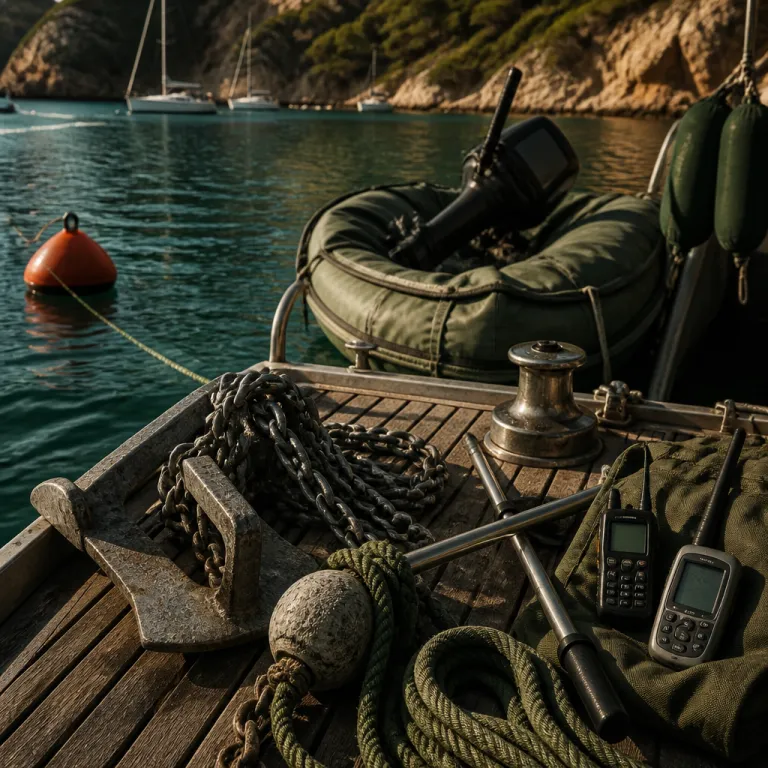
Why July’s Mediterranean peak season belongs to the anchorage first sailor
July yacht peak season from the water, not the postcard
July yacht peak season in the Mediterranean looks perfect on postcards yet feels different from the water. During this height of the summer season, the best time to enjoy a yacht is often away from the marina crowds, using the boat as a moving home that follows light, wind and warm sea rather than restaurant reservations. When you plan your time to visit these coasts like this, you turn a standard cruise into a quieter, more comfortable experience that respects both your crew and the sea.
Balancing warm water, crowds and real comfort
Think about the July–August stretch as the most intense time of year for both weather and people, when the region delivers its warmest sea temperatures and its densest crowds in the same breath. In this peak season, the best strategy is to treat marinas as brief service stops and to spend most of your time at anchor, which is where the quality of swims, the silence at night and the absence of light pollution make a cruise feel genuinely luxurious. When you compare months across the basin, you realise that while September and October may offer fewer crowds and slightly cooler temperatures, July’s long evenings and predictable weather still make it one of the best months for an anchorage led yacht charter if you accept the discipline that comes with it.
Costs, data points and why anchorages win in July
Cost is another reason to lean into anchorages during July yacht peak season. Berth fees in hotspots from the French Riviera to the Balearics can double compared with shoulder months: in Saint‑Tropez or Ibiza Town, for example, a 24‑metre yacht can pay roughly €800–€1,500 per night in late July according to published marina tariff bands and recent MYBA charter reports, while the same berth in May or October may be close to half that depending on exact location and length. A well chosen bay costs nothing and often gives a better experience with warm water, space to swim and a comfortable breeze. Over a full year of cruising, the owners who master this anchorage first rhythm in the height of the sailing season tend to log more nights on the hook, spend less on marinas and feel that they truly visit the region rather than queue for it.
Where July’s peak still works: anchorage led routes that earn their keep
Eastern Balearics: a five day July anchorage loop
Some parts of the Mediterranean absorb July yacht peak season better than others. Along the eastern Balearic Islands, for example, an experienced captain can still run a relaxed cruise by hopping between open roadstead anchorages and smaller calas, timing arrivals so that the day tripper boats have already left and the evening crowds have not yet arrived. This is where understanding the daily rhythm of local ferries, beach clubs and charter yachts turns a busy summer coastline into a surprisingly calm cruising ground.
On a typical five day Mediterranean July yacht charter between Mallorca and Menorca, a 20–25 metre yacht might:
- Start in Palma and run 25–30 nautical miles to the south‑east corner of Mallorca for a first night at anchor in a sheltered cala.
- Cross 35–40 nautical miles to the west coast of Menorca the next morning, arriving by early afternoon to pick a bay with good holding and room to swing.
- Spend two days moving 10–15 nautical miles at a time along the north coast, choosing anchorages with protection from the prevailing breeze and short tender hops ashore.
- Refuel and take water once in Mahón or Ciutadella before a final 35–40 nautical mile leg back towards Mallorca, using the last evening for a quiet anchorage rather than a marina.
Sardinia’s north and east coasts: a working week at anchor
The north and east coasts of Sardinia reward the same approach, especially if you extend ideas from a working week of anchorages along the eastern coast described in this Sardinia anchorage itinerary. During July and August, the weather is usually settled, the sea is warm and the best time to move is early morning, when katabatic winds are gentle and the water is glassy, which makes even a larger yacht feel nimble as you slide from bay to bay. In these months, experienced skippers know that the peak season is not about avoiding people entirely but about choosing anchorages with enough swinging room, good holding and fewer crowds than the headline bays that fill every social feed.
A practical seven day route for an anchorage focused Sardinia July yacht charter might look like this:
- Day 1–2: Depart Olbia, cruise 15–20 nautical miles through the Costa Smeralda islands and spend two nights at anchor in different bays with short hops between them.
- Day 3–4: Run 35–45 nautical miles south‑east along the coast, stopping in one small port for fuel and water, then using nearby coves for overnight anchorages.
- Day 5–6: Cover 20–25 nautical miles per day further down the east coast, choosing anchorages with shelter from the forecast wind and easy tender access ashore.
- Day 7: Make a 40–50 nautical mile return leg towards Olbia or another departure port, timing arrival for late afternoon when marina traffic has eased.
Aeolian, Sporades and Ionian: east Mediterranean July patterns
Farther east, the Aeolian Islands north of Sicily, the Sporades in the northern Aegean and the eastern Ionian coast of Greece all offer similar patterns for July yacht peak season. You use the charter yacht as a tool to reach volcanic coves, pine scented bays and low key fishing harbours, treating the marina or town quay as an occasional stop rather than the nightly goal, which keeps the experience comfortable even when the season is at its peak. Across these regions, the best months for an anchorage focused cruise still include July, provided you respect local weather, track sea temperatures and accept that the real luxury is space, not shore power.
Running a marina light week: logistics, timing and crew sanity
Planning fuel, water and provisions for July cruising
To make July yacht peak season work without daily marina stops, you need a clear logistics plan. Fuel, water, provisions and laundry must be scheduled like waypoints, with one or two carefully chosen ports across the arc of your itinerary rather than a different harbour every night. Captains who have refined this over many miles will often align a fuel stop with a supermarket run and a short laundry drop, then slip back out before the afternoon crowds and heat peak.
Timing arrivals and departures for a calmer Mediterranean July yacht charter
The discipline of late afternoon arrivals and early morning departures is what keeps a marina light week comfortable for both guests and crew. Arriving around 17:00 means the worst of the summer temperatures have eased, the day tripper boats are gone and you can still secure a berth or a front row anchorage without queuing, while a dawn departure lets you use the best time of day for navigation, wildlife sightings and flat seas. On a Corsica route such as the one between Bonifacio and Calvi described in this local style cruising week, that rhythm can turn a busy time of year into a serene passage, even when the official sailing season is at its most intense.
Checklist for a marina light July week
For skippers new to this pattern, a simple checklist helps keep the week on track:
- Fuel and water cadence: plan to refuel every 3–5 cruising days and top up fresh water whenever tanks reach 40–50%, allowing for higher shower use in hot weather.
- Arrival and departure windows: aim to drop anchor by 16:30–17:30 and get under way between first light and 09:00 to avoid both heat and traffic.
- Provisioning rhythm: schedule a major supermarket run every four days, with fresh bread, fruit and vegetables topped up from local shops when you use a port for fuel.
- Crew rotation template: organise overlapping watches so that at least one crew member is off duty from mid‑afternoon to early evening, and protect a minimum of eight hours’ rest in every 24‑hour period.
Crew rotation also matters during July yacht peak season, because long daylight hours and warm weather can tempt guests to stretch every day, while the yacht still needs maintenance, watch keeping and tender runs. A professional skipper will often block out quiet time to go ashore only when the boat is secure and the crew has rested, which keeps the overall experience safe and enjoyable across the whole season. When you compare this with a marina every night pattern, you usually see fewer crowds on board, less fatigue and a more authentic cruising feeling, even in the heart of July and August.
Briefing new guests and reading the wider Mediterranean calendar
Setting expectations for an anchorage focused July yacht charter
Guests new to yachting often arrive in July yacht peak season expecting a floating hotel that plugs into a marina every evening. A clear briefing before they step aboard can reset that expectation, explaining that the best time to feel these waters is at anchor, where the yacht moves gently, the water stays warm late into the night and the sky is darker than any resort terrace. When they understand that this approach avoids the worst crowds and heat while still giving them easy tender access ashore, most quickly prefer it.
Placing July within the full Mediterranean cruising year
Context helps, so frame July within the wider calendar of months that regular cruisers actually use. Explain that January and February can be magical for empty harbours but cold water, that March and April are often about refit, that May and June are the start of the sailing season, that July and August are the classic peak, that September and October bring fewer crowds with still warm sea temperatures and that November and December are mainly for hardy crews or year round liveaboards. When guests see July as one chapter in a full year of options, they understand why you are using this time of year for long swims, late light and anchorage privacy rather than for ticking off every famous marina on the French Riviera.
Comparing July with shoulder season yacht charters
This is also where you can gently compare a July yacht peak season itinerary with a shoulder season cruise. In September and October, for example, you might spend more nights in town quays because the weather is softer and the crowds have thinned, while in July you lean harder on remote bays and early starts to keep the experience comfortable and calm, yet both periods can still be the best months to explore these coasts depending on your priorities. Over several years, many owners end up planning one high summer cruise focused on anchorages and another in the quieter edges of the season, proving that the real luxury is not the length overall, but the wake she leaves.
FAQ
Is July really the best time to visit the Mediterranean by yacht ?
July is the best time for warm sea temperatures, long days and predictable weather, which makes it attractive for a yacht cruise if you plan carefully. It is also the peak season for crowds and marina demand, so an anchorage first strategy usually delivers a more comfortable experience. Many experienced owners pair July–August cruising with a second trip in September or October to balance energy and fewer crowds across the year.
How can I avoid marina queues during July Mediterranean yacht peak season ?
The most effective tactic is to treat marinas as occasional service stops rather than nightly goals, focusing your time on anchorages with good holding and shelter. Plan fuel, water and provisioning for one or two key ports, arrive in late afternoon and depart at first light to sidestep the busiest hours. Using high speed coastal experiences such as those described for yacht lovers on this high speed coastal route as inspiration, you can design legs that keep you moving while others are still queuing.
How does July compare with september and october for a Mediterranean cruise ?
July and August bring the warmest water, the most stable weather and the liveliest shores, but also the highest prices and densest crowds. In contrast, September and October usually offer fewer crowds, slightly cooler but still warm sea temperatures and more availability in marinas, which can make them the best months for guests who value calm over buzz. Many yacht charter clients now split their year between a high summer week focused on anchorages and a shoulder season cruise with more town nights.
Can I cruise the Mediterranean year round with a private yacht ?
The region is technically a year round cruising ground, but the practical sailing season for most yachts runs from late spring to late autumn. Winter months such as January, February, November and December can still be used for short trips or repositioning, yet they demand more weather awareness and offer fewer open facilities. Owners who want a full year afloat often combine summer cruises in the best months with off season refit periods and occasional long range passages elsewhere.
What should I tell first time guests before a July anchorage focused charter ?
Explain that July yacht peak season is busy ashore, so the yacht will often stay at anchor to keep the experience comfortable, quiet and flexible. Emphasise that tenders make it easy to visit coastal towns and beaches when they wish, while nights at anchor offer cooler cabins, better sleep and more privacy than crowded marinas. A clear briefing on daily rhythm, from early departures to late swims, turns what could feel like a compromise into the best time of their summer.