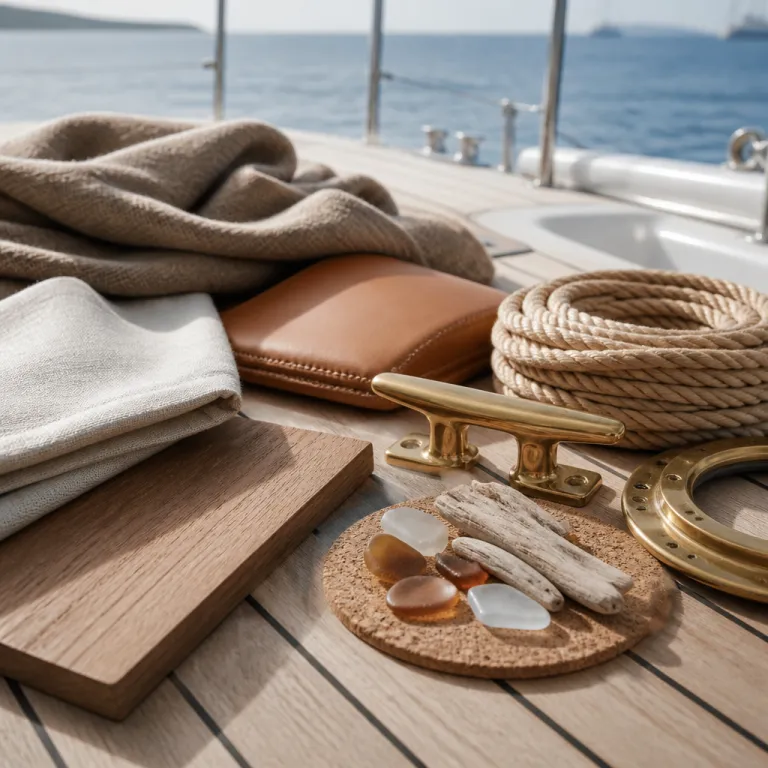
Why serenity yacht experiences captivate refined yacht enthusiasts
Serenity on a yacht is not silence; it is curated calm. A true serenity yacht experience balances the reassuring hum of a powerful motor yacht with the soft sounds of water along the hull, creating a rhythm that relaxes even demanding guests. For yacht-passionate readers, this blend of power and peace has become a benchmark for contemporary luxury yacht design and onboard lifestyle.
Owners and charter guests now expect serenity on yachts whether they are anchored in the Bahamas or stern-to in a busy Mediterranean port. The most successful serenity yacht concepts therefore combine generous guest cabins, carefully engineered noise insulation, and exterior deck layouts that separate social areas from quiet retreats. This shift is visible across charter yachts and private motor yachts, where serenity has become a core design KPI supported by measurable comfort data rather than a vague marketing adjective.
When a charter broker presents a yacht serenity option, they increasingly highlight acoustic engineering, stabiliser performance, and cabin proportions rather than only décor. Yacht charters that emphasise serenity-focused experiences also prioritise crew training, ensuring service is attentive yet discreet throughout every week on board. As one experienced captain of a 40-metre motor yacht notes, “Guests remember waking up rested more than any decorative detail.” For yacht-passionate clients, this is where a standard yacht charter ends and a genuine serenity yacht journey begins, supported by tangible comfort metrics and thoughtful itinerary planning.
Designing a serenity yacht from hull to guest cabins
Creating a serenity yacht starts long before the first guests step into the cabins. Naval architects work on hull form, displacement, and target speed in knots to ensure the motor yacht moves smoothly through the water with minimal vibration. Interior designers then translate this technical serenity into guest cabins that feel like boutique hotel suites rather than compact rooms at sea, often aiming for noise levels around 45–50 dB at cruising speed, a range broadly cited in marine comfort guidelines and shipbuilding handbooks.
On a well-executed serenity yacht, the main deck becomes the social heart while upper decks offer quiet terraces for private cruising moments. Designers pay close attention to cabin length and beam, allowing natural light and a clear view of the sea to enhance the feeling of space for all guests. Even the choice of fabrics, acoustic panels, and soft furnishings in luxury yacht interiors contributes to a calmer ambience during both summer and winter itineraries, with materials selected for their sound-absorbing and vibration-damping properties.
Sun protection and weather management also matter, especially for charter operations in the Bahamas or Virgin Islands. A high-quality bimini or canopy system, clearly specified for UV resistance and wind stability, helps maintain shade and serenity on the aft deck. When these details are aligned with hull design and interior comfort, charter yachts deliver a consistent serenity charter experience that keeps clients returning every season.
Seasonal serenity yacht strategies for summer and winter cruising
Serenity on a yacht feels different in summer than in winter, yet both seasons can be equally rewarding. During a summer yacht charter in the Bahamas or Virgin Islands, serenity comes from warm water, long days on deck, and relaxed evenings at anchor with minimal generator noise. In winter, a serenity yacht often relies more on interior comfort, refined lighting, and sheltered exterior spaces that protect guests from cooler breezes while maintaining clear views of the sea.
Experienced charter broker teams therefore design week-by-week itineraries that match the serenity expectations of each group of guests. For example, a family-focused serenity charter might prioritise calm anchorages, short passages at modest speed in knots, and water sports zones clearly separated from quiet sunbathing areas on the upper deck. By contrast, a corporate charter programme could use the same motor yachts but schedule early morning cruising and late afternoon meetings in sound-insulated guest cabins equipped with reliable connectivity and dimmable lighting.
Protecting the yacht itself is also part of long-term serenity, especially for owners considering future sale value. Proper covers and mooring equipment, such as a high-resistance boat cover for mooring and storage, help preserve exterior finishes between cruising seasons. This attention to seasonal details ensures that serenity yacht standards remain high whether the vessel is in active use or resting quietly in port, with systems protected from UV, salt, and moisture.
From fort lauderdale to the bahamas: serenity yacht hubs and routes
Few regions illustrate the serenity yacht concept better than the corridor from Fort Lauderdale to the Bahamas. Fort Lauderdale, often called the yachting capital, hosts a dense network of charter broker offices, motor yacht dealerships, and service yards for IAG Yachts and many other builders. From this port, a luxury yacht can reach the Bahamas in a comfortable day of cruising, offering guests a seamless transition from city energy to island serenity with minimal changes in comfort levels.
Typical yacht charters on this route use motor yachts between 30 and 50 metres in length, with generous guest cabins and expansive deck spaces. A serenity charter itinerary might start with a short hop to Bimini, then continue through the Exumas where clear water and protected anchorages allow quiet nights and relaxed mornings. For yacht-passionate clients, the contrast between the busy marinas of Fort Lauderdale and the tranquil cays of the Bahamas highlights why serenity yacht experiences are so sought after by repeat charterers.
Similar patterns appear in the Virgin Islands, where charter yachts operate from hubs like St Thomas or Tortola. Here, yacht charter operations focus on short passages, frequent swim stops, and anchorages chosen for both shelter and scenic views. Whether in the Bahamas or Virgin Islands, the most successful yacht serenity programmes rely on captains who understand how to balance distance, speed in knots, and guest preferences to maintain a consistently calm atmosphere throughout the voyage.
Technical details that quietly shape a serenity yacht experience
Behind every serene moment on board lies a series of technical decisions that most guests never see. Hull design, stabiliser choice, and propulsion configuration all influence how a motor yacht behaves at different speed in knots and in varying sea states. Builders such as IAG Yachts have invested heavily in hull efficiency and noise reduction, knowing that serenity yacht expectations are rising among both owners and charter guests and are increasingly backed by measurable performance criteria.
On a well-engineered luxury yacht, machinery spaces are isolated from guest cabins through floating floors, vibration mounts, and carefully planned bulkheads. The result is that even when the motor is running during a night passage, noise levels in the cabins can remain comparable to a quiet hotel room, allowing uninterrupted sleep throughout the week. These details matter just as much on charter yachts as on private vessels, because repeat yacht charters depend on guests feeling rested and relaxed after every voyage.
Deck hardware and mooring systems also contribute to serenity, especially when arriving late into a crowded port. High-quality lines, fenders, and cleats, such as those evaluated in independent guides to the best boat docking lines for secure mooring, reduce shocks and squeaks that can disturb guests at night. When combined with thoughtful crew procedures and clear docking checklists, these technical details ensure that a serenity charter remains calm from the first line ashore to the final departure.
Serenity yacht ownership, charter revenue, and resale perspectives
For many yacht-passionate investors, serenity is not only an emotional goal but also a financial strategy. A yacht that consistently delivers a serenity yacht experience tends to perform better in the charter market, attracting higher weekly rates and stronger repeat demand. Charter broker feedback confirms that guests often prioritise quiet operation, comfortable guest cabins, and stable cruising over purely visual luxury features when deciding whether to rebook.
Owners who place their motor yachts into charter programmes therefore work closely with management companies to refine every serenity-related detail. This can include upgrading stabilisers, improving sound insulation, or reconfiguring deck layouts to separate crew and guest flows during a busy week of yacht charters. Over time, these serenity-focused refits can support a stronger position at the moment of sale, because buyers increasingly value proven comfort as much as overall length, brand, or interior styling.
Whether the vessel is an IAG Yachts model or another pedigree motor yacht, the same principles apply across the market. Clear documentation of noise levels, stabiliser performance, and cabin arrangements helps a charter manager present the yacht serenity profile with authority to potential clients. In a competitive landscape, yachts that can demonstrate both technical serenity and consistently positive charter reviews stand out as rare and desirable assets with resilient earning potential.
Key figures shaping serenity yacht trends
- According to data from The Superyacht Group on the global fleet composition (see their “Global Order Book” and fleet intelligence reports), motor yachts represent more than 80% of the global superyacht fleet, underlining why motor yacht noise and vibration control are central to any serenity yacht strategy. These figures are regularly referenced in industry conference presentations and market briefings.
- Fraser and other major charter broker houses report in their annual charter market reviews that repeat clients account for roughly 40% of yacht charters, showing how a consistently serene experience across several week-long trips directly supports long-term charter revenue. This proportion is echoed in internal brokerage statistics shared at yacht shows.
- Market analyses from Boat International, including the “Global Order Book” and charter market features, indicate that yachts between 30 and 50 metres in length generate the highest charter demand, which aligns with the size range where guest cabins, deck space, and speed in knots can be optimised for serenity. These reports are widely used by builders and brokers when planning new projects.
- Industry surveys referenced in superyacht technology and stabiliser manufacturer reports suggest that more than half of new-build luxury yacht projects now specify advanced stabiliser systems as standard, reflecting a clear shift toward prioritising comfort and serenity during both summer and winter cruising. Popular solutions include fin stabilisers, gyroscopic units, and hybrid systems designed to operate efficiently at anchor and underway.
FAQ about serenity yacht experiences
What defines a true serenity yacht compared with a standard yacht ?
A true serenity yacht combines quiet mechanical operation, effective stabilisation, and carefully designed guest cabins that minimise noise and vibration. It also offers deck layouts that separate social and private areas, allowing guests to choose between lively and calm spaces. Crew training and itinerary planning complete the picture, ensuring that every day of the week feels unhurried and comfortable, with comfort levels that can be explained in clear, objective terms.
Which cruising regions are best for a serenity charter ?
The Bahamas and Virgin Islands are prime regions for a serenity charter because they offer short passages, clear water, and many protected anchorages. These conditions allow motor yachts to operate at moderate speed in knots, reducing motion and noise for guests. Similar serenity yacht experiences can be found in the Greek islands, Croatia, and parts of the Western Mediterranean during the quieter shoulder seasons when anchorages and marinas are less crowded.
How does yacht length influence serenity on board ?
Greater length generally improves serenity because it allows more separation between machinery spaces and guest cabins. Longer yachts also offer larger deck areas, making it easier to create both social and quiet zones for different guest preferences. However, good design and engineering can deliver impressive serenity even on more compact luxury yacht models, especially when stabilisers and insulation are carefully specified.
Can a yacht be upgraded to improve serenity after launch ?
Yes, many owners invest in refits that enhance serenity, such as adding or upgrading stabilisers, improving insulation, and reconfiguring cabin length or layout. Technical teams can also optimise propulsion and machinery mounting to reduce vibration and noise. These upgrades benefit both private use and charter yachts, often improving guest satisfaction, charter performance, and potential resale value over the life of the vessel.
What should I ask a charter broker when booking a serenity focused yacht charter ?
You should ask for objective information about noise levels in guest cabins, stabiliser type, and typical cruising speed in knots on the planned route. Request recent charter feedback that specifically mentions comfort, quiet nights, and overall serenity on board. A professional charter broker will be able to match you with a serenity yacht whose technical details, layout, and crew style align with your expectations for a calm and restorative voyage. As a concise broker checklist, confirm: average dB levels in cabins at cruising speed, stabiliser configuration (fin, gyro, or both), cabin and deck layout for quiet zones, typical daily distance and speed profile, and recent maintenance or refit work focused on comfort.