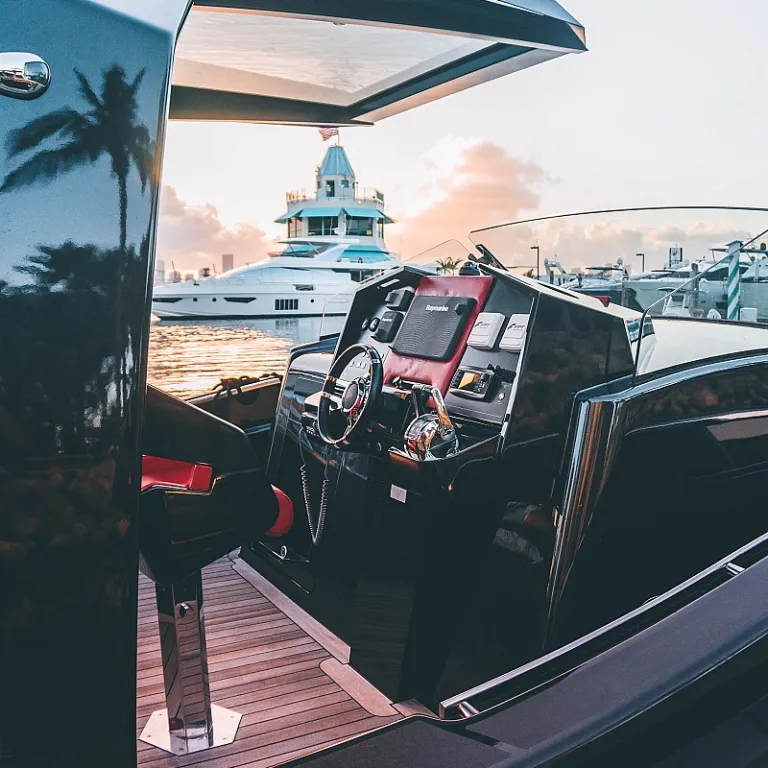
Snorkeling Big Island Hawaii as a natural extension of the yacht lifestyle
For yacht passionate travelers, snorkeling Big Island Hawaii feels like an elegant tender to shore rather than a casual beach pastime. The island offers a rare blend of protected bay environments, deep water drop offs, and lava rock structures that suit both superyacht tenders and small RIBs. This creates a seamless transition from teak deck to coral gardens, where every snorkel session can be curated like a private tour.
Along the Kona coast, captains often plan itineraries that pair great snorkeling with refined onboard service and tailored snorkeling tours. A well briefed snorkeling guide will coordinate tender launches around swell, wind, and traffic in each area, ensuring guests enter the water when visibility and light are at their best. For owners who value privacy, the combination of a mobile yacht platform and carefully chosen snorkel spots around Big Island offers unmatched flexibility.
Many yacht itineraries focus on the stretch from Kailua Kona to Kealakekua Bay, where the coastline alternates between sheltered bay formations and exposed lava rock cliffs. This region of Kona Hawaii is renowned for some of the best snorkeling in the archipelago, with coral rich shallows that remain accessible even when offshore conditions feel energetic. When managed by an experienced captain, snorkeling Big Island Hawaii becomes a controlled, luxurious experience rather than an unpredictable beach outing.
Because yacht programs are often multi day, crews can schedule both daytime snorkel tours and nocturnal manta encounters. Guests may enjoy a relaxed afternoon snorkel near a quiet beach park, then later join a specialized manta ray tour from the yacht’s tender. This rhythm allows yacht owners to enjoy the best snorkeling windows without sacrificing the refined onboard routine that defines high end cruising.
Iconic Kona coast sites from a yacht tender perspective
The Kona coast is the beating heart of snorkeling Big Island Hawaii, especially for yachts using tenders as flexible shuttles. Kailua Kona serves as a practical hub, where provisioning, fuel, and technical services support extended cruising along this volcanic shoreline. From here, captains can position the yacht near a chosen bay while guests transfer by small tender to the most promising snorkel spots.
Kealakekua Bay, home to the historic Captain Cook monument, is widely regarded as one of the best snorkeling locations in island Hawaii. The bay’s steep underwater walls, healthy coral, and typically clear water make it ideal for both novice snorkel guests and confident swimmers. Many professional snorkeling tours operate here, but a private yacht tender allows guests to arrive early, before larger tour boats concentrate in the central area.
Onshore, the official parking lot and limited parking near the trail to the Cook monument can become congested during peak hours. Yacht guests bypass this constraint entirely, boarding a snorkel tour style tender directly from the swim platform instead of competing for beach access. This approach aligns with the refined expectations of yacht passionate travelers, who value time efficiency and privacy as much as good marine life viewing.
Further north and south along Kona Hawaii, several beach park locations offer alternative entry points for snorkeling Big Island Hawaii. Some of these parks feature a mix of sand and lava rock, creating varied habitats for fish and coral while still allowing relatively easy water access. For guests who enjoy combining a short walk ashore with a swim, crews can coordinate tender drop offs near a beach, then relocate the yacht to a quieter anchorage for the evening, perhaps followed by a stay in elegant yacht club rooms before or after the cruise.
Nighttime manta encounters and refined yacht operations
Among all experiences linked to snorkeling Big Island Hawaii, night swimming with manta rays stands apart for yacht owners. The Kona coast hosts several established manta ray tour sites, where operators use lights to attract plankton and, in turn, manta rays. For yacht programs, integrating a manta focused snorkel tour requires careful planning around safety, tender operations, and guest comfort.
Most manta tours depart from harbors near Kailua Kona or other small marinas along the Kona coast, but a well equipped yacht can stage its own approach. Crews often liaise with local snorkeling tours to align with best practices, ensuring their lighting setups and water entry procedures respect both wildlife and regulations. When executed correctly, guests float calmly on the water’s surface while manta after manta glides beneath them in slow, graceful arcs.
Because these manta ray encounters occur after dark, the choice of snorkel gear, wetsuits, and lighting becomes a core part of the guest experience. Warm water temperatures around Big Island are generally comfortable, yet a thin suit helps extend time in the bay and maintain relaxation. A dedicated snorkeling guide can brief guests on how to remain still, protect coral below, and avoid sudden fin kicks that might disturb manta rays or other marine life.
Yacht captains also consider anchoring options, swell direction, and proximity to other tour boats when planning nighttime snorkeling Big Island Hawaii. Some prefer to anchor slightly away from the main manta area, using a tender to shuttle guests to the action while keeping the mothership in calmer water. For owners who enjoy extended coastal cruising, combining these nocturnal experiences with refined catamaran style comfort, such as the Seawind 1260 catamaran experience, creates a compelling balance between adventure and serenity.
From yacht deck to beach park: logistics, parking, and guest flow
Even when a yacht is the primary base, understanding shore side logistics remains essential for snorkeling Big Island Hawaii. Many of the most appealing snorkel spots sit adjacent to a beach park or modest beach access, where parking and facilities influence crowd levels. Crews who monitor these patterns can time tender runs so guests enjoy quieter water and less congestion near the entry points.
Popular areas around Kona Hawaii often feature a small parking lot that fills early, especially near well known step beach entries or family friendly beach park zones. Yacht guests, however, can arrive by tender, bypassing the parking challenge while still benefiting from lifeguards, restrooms, or shaded areas ashore. This hybrid approach lets them enjoy both the comfort of the yacht and the practicality of established coastal infrastructure.
When planning snorkeling Big Island Hawaii, captains evaluate swell exposure, underwater topography, and coral health at each beach and bay. Some locations combine sand and lava rock, creating interesting habitats but requiring careful finning to avoid contact with fragile coral heads. A knowledgeable snorkeling guide will brief guests on entry and exit routes, emphasizing how to use natural channels and avoid standing on rock or reef.
For yacht passionate travelers, these operational details translate directly into perceived quality and safety. A well organized snorkel tour from the yacht, supported by accurate local information about each area, feels far more curated than a spontaneous swim from shore. Over multi day itineraries, crews can alternate between remote anchorages with great snorkeling and more accessible beach parks, ensuring every snorkel and every beach visit feels both good and thoughtfully orchestrated.
Selecting the right yacht platform for Big Island snorkeling programs
Designing a yacht program around snorkeling Big Island Hawaii requires matching the vessel to the coastline’s character. The region’s mix of open Pacific exposure, protected bay systems, and lava rock fringed shorelines favors yachts with stable hulls and capable tenders. Catamarans, expedition style motor yachts, and well equipped sailing yachts each offer distinct advantages for reaching the best snorkeling areas.
Owners considering a new build or refit often evaluate how swim platforms, tender garages, and deck layouts support frequent snorkel operations. A wide, low swim platform simplifies water entry, while a dedicated snorkel gear station keeps masks, fins, and wetsuits organized between tours. For those exploring larger vessels, understanding what you should know before choosing a 90 foot yacht, as outlined in this detailed guide, can shape decisions that directly influence snorkeling comfort.
Because snorkeling Big Island Hawaii often involves multiple short sessions rather than one long immersion, efficient tender handling becomes critical. Crews may run several small tender shuttles to a nearby bay, allowing guests to rotate between the water and the yacht’s shaded decks. This pattern keeps energy levels high and ensures that each snorkel feels fresh, whether at Kealakekua Bay, a quiet beach park, or a lesser known coral rich cove.
Yacht passionate guests also appreciate when onboard amenities complement their time in the water. Warm freshwater showers near the swim platform, plush towels, and light refreshments help transition smoothly from snorkel to salon. Over time, these thoughtful details turn snorkeling Big Island Hawaii from a single highlight into a defining thread that runs through the entire cruising experience.
Safety, environmental stewardship, and long term value for yacht owners
For yacht owners and charter guests, the long term appeal of snorkeling Big Island Hawaii depends on safety and environmental care. Coral ecosystems around island Hawaii are sensitive to physical contact, sunscreen chemicals, and anchor damage, especially near popular snorkel spots. Responsible yacht operations therefore emphasize reef safe products, careful anchoring, and guest education before every snorkel tour.
Professional crews integrate safety briefings into the daily rhythm, covering water entry techniques, buddy systems, and signals for assistance. In areas with lava rock shorelines or surge, guests learn how to time their movements and avoid narrow gaps where waves concentrate. A dedicated snorkeling guide can accompany less confident swimmers, ensuring they still enjoy good views of fish, coral, and occasional manta rays without feeling pressured.
From an investment perspective, maintaining pristine snorkeling Big Island Hawaii conditions enhances the long term value of yacht programs in the region. Guests who experience consistently clear water, healthy coral, and well managed manta ray encounters are more likely to return and recommend the destination. This virtuous cycle supports local operators, from small snorkeling tours to marina services along the Kona coast and in Kailua Kona.
Ultimately, integrating refined yacht operations with thoughtful access to each beach, bay, and beach park creates a sustainable model for ocean enjoyment. When owners, captains, and guests align around respectful practices, snorkeling Big Island Hawaii remains one of the best ways to connect luxury yachting with authentic marine environments. In this way, every snorkel, every tour, and every quiet moment floating above coral contributes to both personal memories and the preservation of a remarkable coastal area.
Questions yacht enthusiasts often ask about snorkeling Big Island Hawaii
Is the Kona coast suitable for first time snorkelers arriving by yacht ?
The Kona coast offers many bays and beach park entries that suit beginners, especially when supported by a yacht tender and experienced crew. Calm mornings, clear water, and accessible coral gardens make it easier for first time snorkelers to gain confidence. With a snorkeling guide on hand, even guests new to the water can enjoy safe, rewarding sessions.
How do yacht crews choose the best snorkeling spots around Big Island ?
Crews monitor wind, swell, and visibility, then match conditions to each bay, beach, or lava rock cove. They also consider crowd levels, parking pressure onshore, and the presence of coral or manta rays when planning each snorkel tour. Over several days, this approach allows guests to experience a variety of areas along the Kona coast and beyond.
Can a private yacht join manta ray tours near Kailua Kona ?
Yes, many yacht programs coordinate with local manta ray tour operators to align timing and best practices. The yacht typically anchors nearby while a tender brings guests to the designated manta area after dark. This arrangement combines professional guidance with the privacy and comfort of a yacht based experience.
What type of yacht layout works best for frequent snorkeling ?
Yachts with generous swim platforms, efficient tender handling, and organized snorkel gear storage tend to work best. Catamarans and expedition style motor yachts often provide particularly stable platforms for repeated water access. These features make snorkeling Big Island Hawaii more comfortable, especially when guests move between the yacht and nearby bays several times a day.
How can yacht owners minimize environmental impact while snorkeling Big Island Hawaii ?
Owners can prioritize reef safe sunscreen, avoid anchoring on coral, and support crews in delivering clear environmental briefings. Choosing established moorings where available and respecting manta ray guidelines also helps protect local ecosystems. Over time, these practices preserve the quality of snorkeling Big Island Hawaii for future yacht passionate visitors.