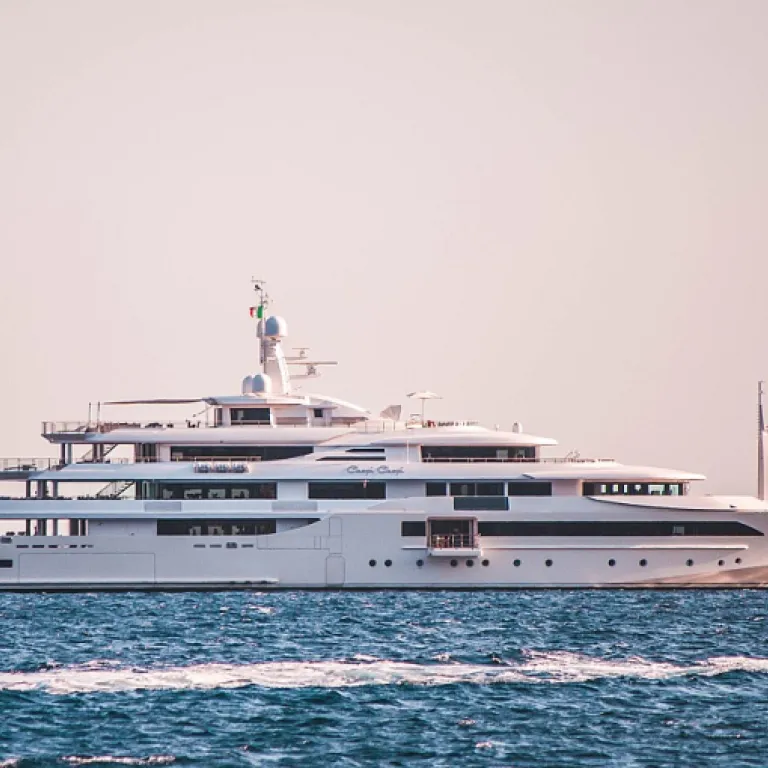
Seawind 1260 design philosophy and the open concept lifestyle
The Seawind 1260 sits at the crossroads between performance and comfort, embodying what many seawind catamarans aim to achieve for serious coastal cruising. This catamaran shows how a seawind design can feel like a capable boat at sea while still remaining an inviting home afloat for yacht passionate owners. Among cruising catamarans, the Seawind 1260 stands out because the builder Seawind has refined the balance between protected cockpit space and an open concept saloon.
The signature tri fold door system transforms the cockpit and saloon into one continuous living area, and this tri fold arrangement is central to the Seawind 1260 identity as an open concept multihull. When the tri fold doors are raised, the cockpit becomes a protected pilothouse style zone, while when they are lowered the boat feels like a loft that happens to move at 8 to 10 knots under sail. Many monohull sailors who step aboard this seawind catamaran immediately notice how the view forward and aft is far better than on comparable monohull layouts.
The cockpit itself is compact yet efficient, with stainless steel grab rails and hardware that feel robust under hand, and the deck layout keeps movement safe when the boat is heeled slightly under asymmetric loads. Lewmar winches are positioned so that a couple can manage the main jib and tacking jib without leaving the secure cockpit, and this makes the Seawind 1260 an easy platform for shorthanded coastal cruising. Compared with some larger power catamaran designs, this seawind catamaran keeps weight under control, which helps the boat maintain respectable average speeds in the 7 to 9 knots range.
Performance under sail, handling, and multihull versus monohull debate
Under sail, the Seawind 1260 behaves like a responsive multihull that still forgives imperfect trim, and this characteristic appeals to sailors moving from heavier monohull boats. In moderate breeze the boat will comfortably hold 7 to 8 knots on a reach, while in stronger conditions experienced crews can push the seawind design into double digit speeds without feeling that the catamaran is stressed. The hulls are fine enough to reduce drag, yet the overall volume remains generous for liveaboard comfort on longer coastal cruising passages.
The tacking jib arrangement simplifies maneuvers, and many test boat reports highlight how the Seawind 1260 will tack reliably without losing too much speed, which is not always the case with cruising catamarans. During a structured test, skippers often compare the Seawind 1260 against a similar length leopard catamaran, and they note that the seawind catamaran feels slightly more connected to the water through the helm. While a leopard catamaran may offer a larger forward cockpit, the Seawind 1260 counters with better helm visibility and a more protected aft cockpit that suits rougher conditions well.
For sailors used to monohull boats, the absence of heel and the stable deck platform at 8 knots can feel transformative, and this stability encourages more relaxed watch keeping. The builder Seawind has long argued that seawind catamarans should be sailed actively rather than treated like floating apartments, and the 1260 reflects that philosophy with its efficient rig and relatively light displacement. In this context, the Seawind 1260 becomes a compelling test boat for anyone evaluating the broader multihull versus monohull question in real coastal cruising conditions, especially when considering future trends like virtual reality regattas and evolving racing formats.
Onboard comfort, air conditioning, and liveability for yacht passionate crews
Inside, the Seawind 1260 offers a layout that feels larger than its length, and this is where the open concept saloon and cockpit integration truly benefits liveaboard crews. The main saloon provides a panoramic view through large windows, and this view connects sailors to their surroundings even when the tri fold doors are closed in rough weather. For yacht passionate owners who value both sailing performance and domestic comfort, the Seawind 1260 presents a compelling balance that many monohull boats struggle to match.
Cabins in each hull are finished with practical materials, and stainless steel fittings in the galley and heads contribute to a sense of durability that suits extended coastal cruising. Air conditioning is often specified in warmer regions, and when air conditioning is running at anchor the boat still feels efficient thanks to good insulation and thoughtful ventilation. Compared with some heavier power catamaran versions, the Seawind 1260 remains relatively frugal on power, which matters when running air conditioning from a generator or shore power for long periods.
The cockpit seating works well for both passagemaking and social occasions, and many owners use the Seawind 1260 as a platform for elegant gatherings that rival larger boats. When planning a special event such as a refined celebration at anchor, the open cockpit and saloon flow can feel similar to the entertaining spaces described in guides to hosting a sophisticated yacht party. In daily use, the combination of Lewmar winches, efficient main jib controls, and a manageable tacking jib means that even when guests are aboard, the crew can handle the catamaran safely without drama.
Systems, power management, and the role of power catamaran thinking
Although the Seawind 1260 is fundamentally a sailing catamaran, the way it handles power systems borrows some thinking from modern power catamaran designs. Twin engines provide redundancy and precise maneuvering, and at modest revs the boat will cruise efficiently at 6 to 7 knots under power alone. This capability matters for coastal cruising when wind angles are poor, and it also reassures crews transitioning from monohull motor boats that value predictable schedules.
Electrical systems on the Seawind 1260 are designed to support air conditioning, refrigeration, and navigation electronics without constant compromise, and this reflects the expectations of today’s yacht passionate owners. Many seawind catamarans are specified with solar arrays on the hardtop, and this additional power reduces generator hours while maintaining comfort at anchor. Stainless steel rails and mounting points on the deck make it straightforward to add solar panels, wind generators, or davits for a tender, which further enhances the autonomy of the boat seawind platform.
From a handling perspective, the Seawind 1260 under power feels predictable in tight marinas, and the view from the helm over the cockpit and deck edges helps avoid the blind spots sometimes found on larger catamarans. Some owners compare this behavior with that of a compact power catamaran, noting that the twin screws allow the boat to pivot almost on the spot. When evaluating the Seawind 1260 as a test boat for long term ownership, many skippers appreciate how the integration of sail and power systems supports both passagemaking ambitions and everyday marina life equally well.
Build quality, builder Seawind heritage, and the role of Seawind share
The heritage of builder Seawind plays a central role in how the Seawind 1260 is perceived among serious sailors, and this reputation has been shaped by decades of producing robust seawind catamarans. Company founder Richard Ward has often emphasized practical design and offshore capable structures, and many owners cite this philosophy when choosing a seawind catamaran over more lightly built alternatives. The use of stainless steel in key load areas, combined with composite bulkheads and carefully engineered deck joints, contributes to a feeling of solidity when the boat is driven hard at 9 to 10 knots.
In some markets, programs such as Seawind share allow prospective owners to access a boat seawind model like the 1260 through fractional arrangements, and this can lower the barrier to entry for yacht passionate sailors. These schemes often include professional maintenance, which helps preserve the value of the catamaran and ensures that systems like air conditioning, Lewmar winches, and rigging remain in top condition. For many, a Seawind 1260 in a Seawind share fleet becomes an extended test boat, allowing crews to refine their preferences before committing to a full ownership version.
Digital tools also influence the ownership journey, and prospective buyers are frequently encouraged to create account profiles on dealer platforms to track specifications, options, and service records. While this may feel far removed from the romance of sailing at 8 knots under a full main jib and tacking jib, it reflects a broader professionalization of the multihull market. Within this context, the Seawind 1260 stands as a bridge between traditional seamanship values and a more data driven, service oriented approach to yacht ownership that still respects the core appeal of a well designed boat.
Global production context, Ho Chi Minh City, and evolving expectations
The modern generation of seawind catamarans, including the Seawind 1260, is closely linked to advanced production facilities in Ho Chi Minh City, often referred to as Ho Chi Minh City or simply Minh City. Building in this dynamic city Vietnam environment allows builder Seawind to combine skilled labor with efficient supply chains, and this helps keep the final boat price competitive without sacrificing quality. For yacht passionate buyers, the fact that a Seawind 1260 emerges from a well organized yard in city Vietnam can be as reassuring as any individual test report.
Walking through the production halls in Minh City, observers note extensive use of jigs to ensure that each catamaran hull and deck align precisely, and stainless steel components are fabricated in dedicated workshops. This attention to detail matters when the finished Seawind 1260 is sailing at 9 knots in a seaway, because structural integrity and fair hulls directly influence performance and comfort. Compared with some mass produced boats, the builder Seawind approach feels more artisanal, even though the scale of operations in Ho Chi Minh City is undeniably industrial.
From a market perspective, the Seawind 1260 competes not only with other seawind models but also with leopard catamarans and various monohull cruisers, and informed buyers often conduct a detailed test boat program before deciding. Many will study race and rally results, sometimes using analytical resources similar to those found in yacht scoring insights and performance trend discussions. Ultimately, the choice between a Seawind 1260, a leopard catamaran, or a performance monohull comes down to how each sailor prioritizes speed in knots, cockpit protection, deck ergonomics, and the intangible pleasure of life aboard a thoughtfully executed multihull.
Key statistics and frequently asked questions about the Seawind 1260
Although detailed fleet wide statistics for the Seawind 1260 are often held by the builder Seawind and specialist brokers, several quantitative patterns emerge from owner reports and structured test programs. Typical cruising speeds under sail range from 6 to 8 knots in moderate conditions, with higher figures achievable off the wind when the main jib and tacking jib are trimmed actively. Under power, the twin engines usually deliver 6 to 7 knots at economical revs, which suits coastal cruising itineraries that mix sailing and motoring.
In terms of layout, most Seawind 1260 boats are configured in either an owner’s version with a dedicated hull suite or a charter oriented version with more symmetrical cabins, and this flexibility broadens the appeal of the catamaran. Tankage is sized to support extended coastal cruising without constant resupply, and the integration of solar power on the deck hardtop further enhances autonomy for yacht passionate crews. Across the fleet, owner feedback consistently highlights the value of the protected cockpit, the open concept saloon enabled by the tri fold doors, and the reassuring build quality associated with Richard Ward and the broader seawind catamarans lineage.
FAQs
How fast does a Seawind 1260 typically sail in cruising trim ?
In real world coastal cruising conditions, most Seawind 1260 owners report average passage speeds of around 6 to 8 knots under sail. With favorable wind angles and attentive trimming of the main jib and tacking jib, the catamaran can occasionally reach higher speeds, especially on broad reaches. These figures place the Seawind 1260 comfortably ahead of many comparable monohull boats on similar routes.
Is the Seawind 1260 suitable for shorthanded or couple sailing ?
The Seawind 1260 is widely regarded as an easy boat for a couple to handle, thanks to its cockpit focused control layout and the use of Lewmar winches within reach of the helm. The tacking jib system simplifies maneuvers, and the stable multihull platform reduces fatigue compared with more lively monohull designs. Many yacht passionate couples choose the Seawind 1260 specifically because it balances manageable sail handling with generous living spaces.
How does the Seawind 1260 compare with similar length leopard catamarans ?
When sailors test a Seawind 1260 against a comparable leopard catamaran, they often find that the Seawind offers a more protected aft cockpit and slightly better helm visibility. Leopard catamarans may provide larger forward cockpits and different interior styling, which some crews prefer for tropical anchorages. Ultimately, the choice between a Seawind 1260 and a leopard catamaran depends on individual priorities regarding performance, cockpit layout, and interior ambiance.
What role does Ho Chi Minh City play in Seawind 1260 production ?
Modern Seawind 1260 catamarans are built in advanced facilities in Ho Chi Minh City, also known as Minh City, within city Vietnam. This location allows builder Seawind to combine skilled craftsmanship with efficient logistics, helping to maintain quality while controlling costs. For buyers, the association with a well organized yard in Ho Chi Minh City adds confidence in the structural integrity and finish of each boat seawind model.
Can the Seawind 1260 support comfortable liveaboard life with air conditioning and modern amenities ?
The Seawind 1260 is designed to support full time or seasonal liveaboard use, with systems sized for air conditioning, refrigeration, and contemporary navigation electronics. Many owners specify solar panels and upgraded battery banks so that the catamaran can remain at anchor for extended periods without excessive generator use. Combined with the open concept saloon, protected cockpit, and efficient hulls, these systems make the Seawind 1260 a compelling platform for long term coastal cruising.