From hard‑core regatta to roaming Caribbean sailing week
Antigua Sailing Week 2026 is evolving into an island‑wide Caribbean sailing festival that blends serious yacht racing with coastal passage cruising. Instead of focusing solely on tight mark roundings and protest flags off English Harbour, the organisers of this flagship Caribbean yacht regatta now treat the whole Antiguan coastline as a racecourse, reflecting what modern crews actually want from a major sailing event.
Where once the racing club culture revolved around short windward‑leeward laps, the programme now stretches around Antigua itself, with coastal legs that feel closer to a mini offshore passage than a simple bay tour. The event still attracts a serious racing fleet of yachts, from carbon race boats to classic yacht designs, yet the emphasis has shifted from pure rating optimisation toward shared experience and destination value. As one long‑time skipper put it, “You still get proper Caribbean race conditions, but now every leg feels like a voyage with a finish line.”
Owners increasingly weigh whether their yacht will thrill guests on board during a four‑day passage around the island as much as whether it will correct out on handicap, and that balance is drawing a broader mix of boats. Bareboat charter entries, liveaboard cruisers and performance race charter programmes are all using the same Caribbean sailing playground, turning the week into a layered narrative rather than a single results sheet.
This evolution mirrors a wider shift in international sailing regattas, where the appeal of the venue competes with elapsed time on the race track. Antigua’s yacht culture has always blended dockside stories with reliable trade‑wind racing, and the current format codifies that heritage into the official programme. For yacht‑passionate readers, the message is clear: if you enter this premier Caribbean sailing event in Antigua, you are signing up for an island‑scale experience rather than a sequence of short, punishing heats.
Fast facts for Antigua Sailing Week 2026
• Typical dates: late April (check the Antigua Yacht Club’s official Notice of Race for confirmed schedule and any updates).
• Start and base: English Harbour and nearby Falmouth Harbour, with Nelson’s Dockyard as the historic backdrop.
• Course style: coastal legs around Antigua, using natural headlands and bays instead of only fixed buoys.
• Key waypoints: Nonsuch Bay, Little Jumby Bay, Ffryes Beach (exact marks and coordinates appear in the final sailing instructions).
• Entry process: online registration, division selection and safety checks managed by the Antigua Yacht Club, with closing dates published alongside the official entry list and results.
Charting the new course ; english harbour to Falmouth and beyond
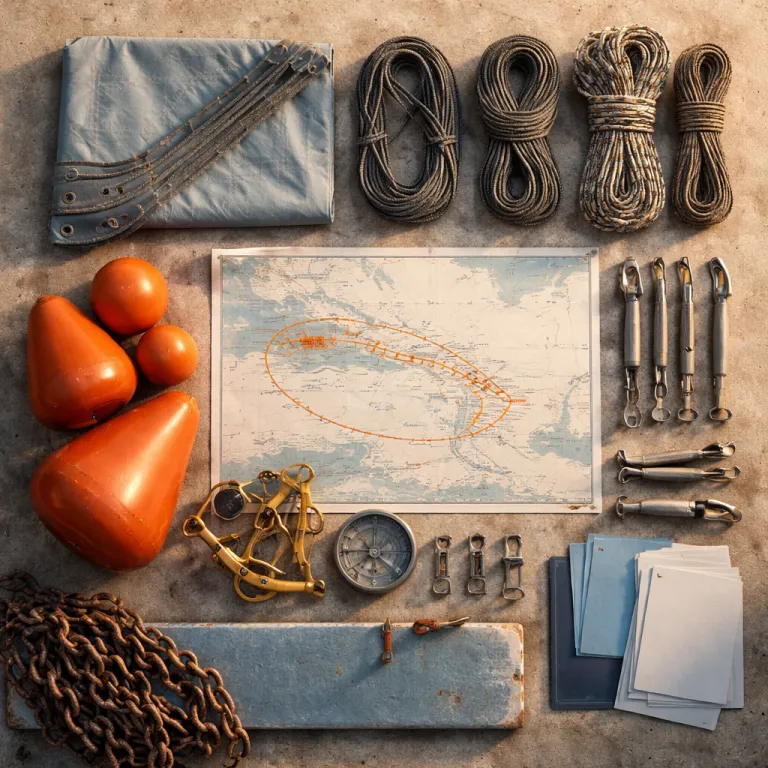
The reimagined Antigua Sailing Week 2026 route takes place in late April from English Harbour, but the racing now arcs well beyond that historic basin. From the start line off the entrance, fleets of yachts slide past the stone walls of Nelson’s Dockyard before bending north toward Nonsuch Bay, using the island’s east‑coast headlands as natural marks instead of inflatable buoys. On a chart, the course traces a loose oval around Antigua, with legs that let boats stretch their waterline and crews settle into a rhythm.
One day the yacht club race committee might send the racing divisions on a longer beat toward Little Jumby Bay, while the cruise‑in‑company group shapes a gentler reach along the reef line. Another day the programme could pivot south toward Ffryes Beach, turning the leeward shore into a downwind drag race for planing hulls and a tactical puzzle for heavier classic yacht entries. Each segment still counts toward the overall regatta, yet every leg feels like its own Caribbean sailing story, with different swell angles, wind bends and shoreline backdrops.
English Harbour and Falmouth Harbour remain the operational heart, with Falmouth hosting the bulk of the fleet and the Antigua Yacht Club managing race control, safety information, Sailing Week briefings and the all‑important lay‑day schedule. That lay day is no longer dead time; it is a curated pause where crews move between boats, compare race charter options and sample shoreside events in Antigua, from beach barbecues to dockside concerts. As one race official summarised, “We want crews to race hard, then step ashore and feel they are part of Antigua, not just visiting a marina.”
For planning purposes, skippers can expect a late‑April schedule with registration and safety checks in the days before the first warning signal, daily morning briefings at the Antigua Yacht Club, and a provisional course outline that typically runs clockwise around the island with waypoints such as Nonsuch Bay (approx. 17°04′N, 61°40′W), Little Jumby Bay (around 17°09′N, 61°45′W) and Ffryes Beach (near 17°03′N, 61°53′W). Final details, including any changes to marks, time limits and class splits, are confirmed in the official Notice of Race and sailing instructions issued by the club.
Who this new format serves ; from race charter crews to liveaboards
For owners and skippers considering an entry, the key question is whether Antigua Sailing Week 2026 suits their style of sailing and their yacht’s temperament. The answer is increasingly yes for a wide spectrum of boats, because the programme now offers parallel tracks: full competition for hardened racing club teams, structured cruise‑in‑company legs for passagemakers, and flexible race charter packages for guests who want intensity by day and comfort by night. Official bareboat fleets sit alongside custom carbon flyers, yet both find space in the scoring and in the social calendar.
Classic yacht aficionados still get their fix, especially when they share the same waters that recently hosted a dedicated superyacht challenge earlier in the Caribbean season. Those who arrive on an Antigua‑based yacht that usually cruises rather than races can enter a more relaxed division, logging their time around the island while still joining the dockside prize‑givings. For charter guests, the ability to board a well‑prepared race charter boat, compete in a recognised yacht regatta and then step ashore into Nelson’s Dockyard nightlife is a rare blend of access and authenticity.
What this signals to yacht‑passionate readers is that the event has become a template for destination‑focused sailing regattas that respect both performance and place. The week takes place in April, yet its influence runs through the entire Caribbean season, shaping how other clubs think about their own events in Antigua and how crews plan their migration between English Harbour and other island circuits. In practical terms, prospective entrants should monitor the Antigua Yacht Club’s official communications for the Notice of Race, online entry forms, division descriptions, confirmed entry lists, results and closing dates for registration, which typically fall several weeks before the first race to allow for class allocation, safety checks and publication of the final sailing instructions.
Key figures for Antigua’s evolving sailing week
- Exact entry numbers, class splits and race results for Antigua Sailing Week 2026 had not been formally published at the time of writing; readers should refer to the Antigua Yacht Club’s official communications, including the Notice of Race, final entry list and results pages, for verified statistics once the complete data set is released.
Questions yacht enthusiasts also ask about Antigua’s sailing week
How has Antigua’s main sailing week format changed in recent years ?
The format has shifted from predominantly windward‑leeward racing off English Harbour to a coastal passage‑style programme that uses the entire island as a racecourse. Crews now sail longer legs that link Nonsuch Bay, Little Jumby Bay and Ffryes Beach, blending competition with destination experiences. This change attracts a wider mix of yachts, from race charter boats to cruising entries.
Is Antigua’s sailing week suitable for bareboat charter crews ?
Yes, official bareboat divisions and race charter programmes make the event accessible to competent charter skippers and their crews. These boats race on adjusted courses and ratings that reflect their design and equipment, while still sharing the same social calendar as grand‑prix yachts. It is a practical way for non‑owners to experience a full Caribbean sailing regatta.
What type of yachts typically enter Antigua’s main regatta ?
The fleet usually includes performance monohulls from around 24 feet upward, production cruiser‑racers, multihulls and a selection of classic yacht designs. Larger yachts and superyachts may appear in associated events earlier in the season, adding to the diversity of designs seen in and around English Harbour. This variety creates layered racing, with different classes finding their own battles on the same stretch of water.
What is the shore side experience like during the sailing week ?
Shore life centres on English Harbour and Falmouth Harbour, with Nelson’s Dockyard providing a historic backdrop for nightly gatherings. Crews move between dockside bars, yacht club prize‑givings and organised events in Antigua such as beach parties on the lay day. The social scene is integral to the week, turning race results into stories shared long after the finish gun.
How should a first time skipper prepare for entering Antigua’s sailing week ?
A first‑time skipper should study the coastal routes around Antigua, paying attention to headlands, reefs and prevailing trade‑wind patterns. It is wise to choose a division that matches the yacht’s performance and the crew’s experience, whether that is full racing, cruising or race charter. Early communication with the Antigua Yacht Club, careful reading of the Notice of Race and sailing instructions, and a realistic assessment of safety equipment will reduce surprises once the start sequence begins.