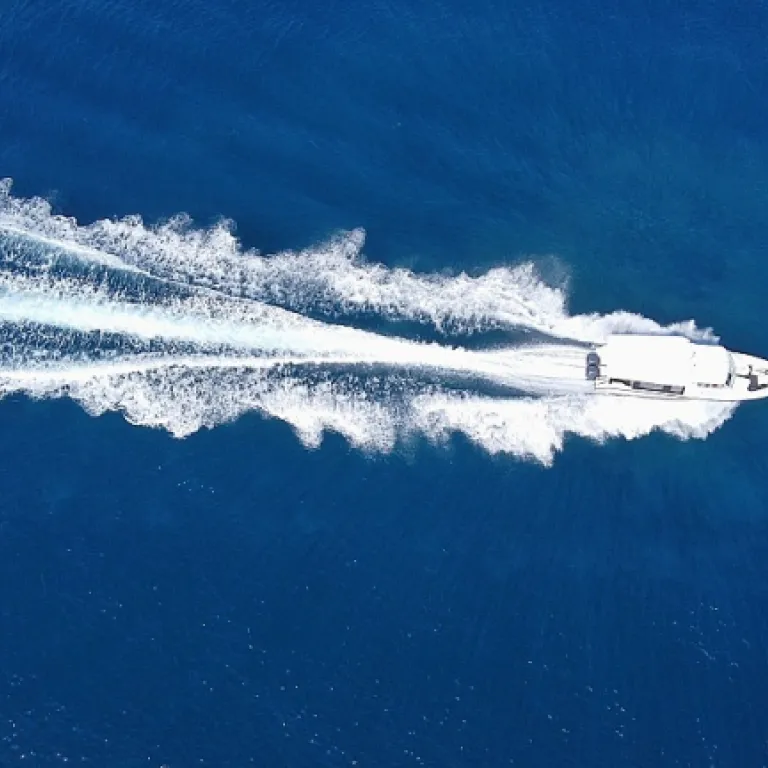
Understanding the importance of eye protection on the water
Why Your Eyes Need Extra Protection at Sea
Spending time on the water is a unique experience, but it comes with specific challenges for your eyes. The combination of sunlight, water reflections, and wind can strain your vision and even cause long-term damage. When you’re yachting, the intensity of light is amplified by the water’s surface, making it essential to choose sunglasses that offer more than just style—they must provide real protection.
- Reflected light: Water acts like a mirror, bouncing UV rays and blue light directly into your eyes. This increases the risk of eye fatigue and conditions like photokeratitis.
- Peripheral vision: On a yacht, your view isn’t just straight ahead. You need wide lenses and frames that protect from all angles, reducing glare and enhancing safety.
- Lens technology: Not all sunglasses are created equal. Polarized lenses, blue mirror coatings, and the right lens tint can make a huge difference in clarity and comfort.
Choosing the right boating sunglasses is about more than just price or rated stars in reviews. It’s about understanding how lens color, frame width, and materials like stainless steel or frames black can influence your experience on the water. The best boating sunglasses will help you enjoy the view, whether you’re navigating or relaxing on deck.
For those who want to dive deeper into how marine environments affect your gear, check out this resource on nautical fabrics and their resilience. It’s a great way to understand why durability and quality matter, not just for your glasses, but for everything you bring on board.
Key features to look for in boating sunglasses
Essential Elements for Optimal Boating Sunglasses
When shopping for boating sunglasses, it’s easy to get lost in the sea of options. But not all sunglasses are created equal, especially when you’re out on the water. The right pair can make a world of difference for your view, comfort, and even safety.- Polarized Lenses: Polarized sunglasses are a must for yachting. They cut through glare reflected off the water, improving visibility and reducing eye strain. Reviews consistently rate polarized lenses as top performers for boating enthusiasts.
- Lens Color & Tint: The color of your lenses impacts how you see the world on the water. Blue mirror lenses are popular for their ability to filter harsh sunlight and enhance contrast, especially in bright conditions. Grey and brown tints are also common, each offering a different balance of color accuracy and glare reduction. Consider lens tint based on your typical boating environment.
- Peripheral Vision: Wide lenses and wraparound frames help protect your eyes from light and wind coming from the sides. This design also improves your peripheral vision, which is crucial for spotting obstacles or other vessels.
- Frame Material & Durability: Look for frames made from corrosion-resistant materials like stainless steel or high-grade plastics. These withstand exposure to saltwater and sun, ensuring your glasses last longer. Frames black or colored options are available to match your style.
- Nose Pads & Fit: Adjustable nose pads and temple tips help keep your sunglasses secure, even in rough conditions. A snug fit prevents your glasses from slipping when you’re active on deck.
- UV Protection: Full UV protection is non-negotiable. Quality boating sunglasses block 100% of UVA and UVB rays, shielding your eyes from harmful exposure.
Comparing Features: What Matters Most?
| Feature | Why It Matters | Popular Options |
|---|---|---|
| Polarized Lens | Reduces glare, enhances view blue, improves comfort | Blue mirror, grey, brown |
| Frame Material | Durability in marine environments | Stainless steel, plastic, frames black |
| Lens Width | Better coverage, improved peripheral vision | Wide, wraparound |
| Lens Color | Adapts to light conditions, enhances style | Blue, black, brown |
| Price | Varies by features, materials, and brand | Price low to high, high to low |
| Reviews & Rated Stars | Helps assess real-world performance | Top-rated boating sunglasses |
Shopping Tips for Yacht Enthusiasts
- Always check for free shipping and return policies when you shop for sunglasses online.
- Compare reviews and rated stars to find the best boating sunglasses for your needs.
- Consider how the sunglasses will pair with your boating style and other gear.
Lens technology and its impact on visibility
How advanced lens technology shapes your on-water experience
When it comes to boating sunglasses, the lens is more than just a tinted piece of plastic. The right lens technology can dramatically improve your view on the water, making every moment at the helm safer and more enjoyable. Polarized lenses are a must-have for yachting enthusiasts. They cut through glare reflected off the water’s surface, letting you see beneath the liquid shimmer and spot obstacles or marine life. This is not just about comfort—polarized sunglasses reduce eye strain and help maintain sharp peripheral vision, which is crucial for safe navigation. Many top-rated stars reviews highlight the difference polarized lenses make, especially in bright conditions. Lens color and tint also play a big role. Blue mirror lenses are popular among yacht lovers, as they enhance contrast and block harsh blue light, improving clarity in open water. Gray and black tints offer true color perception, while copper or brown lenses boost contrast on cloudy days. The choice of lens color depends on your boating environment and personal style. Some shops offer free shipping on a wide range of lens colors, so you can experiment without worrying about price high or low. Here’s a quick comparison of popular lens tints for boating sunglasses:| Lens Color | Best For | Light Conditions |
|---|---|---|
| Blue Mirror | Open water, high glare | Bright sunlight |
| Gray/Black | General use, true color | All light levels |
| Copper/Brown | Contrast, spotting buoys | Variable/cloudy |
Frame materials and durability in marine environments
Choosing Frames Built for the Marine Life
When you’re shopping for boating sunglasses, the frame material is more than just a matter of style or price. The marine environment is tough on gear—saltwater, intense light, and constant exposure to the elements can quickly degrade low-quality frames. For yacht enthusiasts, durability and comfort are essential for both performance and longevity. Frame Materials That Stand Up to Water- Stainless steel: Highly resistant to corrosion, stainless steel frames are a reliable choice for those spending long hours on the water. They maintain their look and structure even after repeated exposure to salt and liquid spray.
- High-grade plastics: Lightweight and flexible, materials like TR90 or nylon offer comfort and resilience. These frames are less likely to warp or crack, and they come in a variety of colors and styles, from classic black to bold blue.
- Acetate: While stylish, acetate frames may not offer the same level of durability as stainless steel or nylon, especially in high-salt environments. However, they can be a good option for those prioritizing style and fit for short trips.
- Grip and fit: Look for frames with rubberized nose pads and temple tips to prevent slipping, even when wet. A secure fit is crucial for maintaining peripheral vision and comfort during active boating.
- Frame width: The right width ensures your sunglasses stay in place and provide full coverage. Reviews often highlight the importance of fit, especially for those with wider or narrower faces.
- Color and finish: Frames black, blue, or even mirrored finishes can enhance your style while offering practical benefits like reduced glare and improved visibility in bright conditions.
When comparing boating sunglasses, consider how frame material affects both price high and price low options. Stainless steel and advanced plastics may come at a higher price, but their longevity and resistance to corrosion often justify the investment. Many rated stars reviews point out that a durable frame paired with quality polarized lenses delivers the best value over time.
Shop Smart for Lasting QualityWhether you’re looking for free shipping, the latest polarized lens technology, or frames that match your boating style, prioritize materials that can handle the marine environment. The right choice means your sunglasses will maintain their look, comfort, and protective qualities season after season.
Style and fit for yacht enthusiasts
Finding the Right Fit and Style for Your Yachting Experience
When choosing boating sunglasses, style and fit are more than just about looking good on deck. The right pair of glasses can enhance your view, protect your eyes from blue light, and ensure comfort during long hours on the water. Yacht enthusiasts often prefer frames that combine both function and fashion, so let’s break down what matters most.- Frame Width and Fit: A snug fit prevents your sunglasses from slipping, especially when exposed to water or sweat. Look for frames with adjustable nose pads and temple grips. Frames black or stainless steel options are popular for their durability and classic look.
- Style and Colors: Whether you prefer a timeless black or a bold blue mirror lens, the color of your frames and lenses can reflect your personal style. Reviews often highlight how certain lens colors, like blue or grey, improve the view blue and reduce glare on open water.
- Lens Shape and Peripheral Vision: Wraparound frames offer better peripheral vision and shield your eyes from wind and liquid spray. Polarized lenses are rated stars for their ability to cut glare and enhance clarity, making them a top choice for boating sunglasses.
- Lens Tint and Technology: Lens tint isn’t just about aesthetics. The right lens color can help you see high low light conditions, with blue mirror and polarized lens options being favorites among yacht enthusiasts for their performance in bright sunlight.
- Price and Value: When you shop for sunglasses, consider the price high or price low options. Sometimes, a higher price means better materials and technology, but always check reviews to ensure you’re getting value for your investment. Many shops offer free shipping, which can be a bonus when comparing price low to high price models.
Care and maintenance tips for longevity
Keeping Your Boating Sunglasses in Top Condition
Proper care and maintenance are essential to extend the life of your boating sunglasses and preserve their performance on the water. Whether you’ve invested in polarized sunglasses with blue mirror lenses or classic frames black, a few simple habits can make a big difference.- Rinse after exposure to saltwater: Salt and liquid residue can damage both the lens and frame. After each outing, rinse your glasses with fresh water to remove salt, sand, and sunscreen. Avoid using hot water, as it may affect lens coatings and frame materials.
- Use a microfiber cloth: Wipe your lenses gently with a microfiber cloth to prevent scratches. Paper towels or clothing fibers can leave marks or reduce clarity, impacting your view and peripheral vision.
- Store in a protective case: When not in use, keep your sunglasses in a hard case. This protects against accidental drops, frame bending, and lens scratches—especially important for high price or rated stars models.
- Avoid harsh chemicals: Cleaners with ammonia or alcohol can strip lens coatings, including polarized lens and blue light filters. Stick to lens-specific solutions for best results.
- Check nose pads and hinges: Regularly inspect stainless steel hinges and nose pads for corrosion or wear. Saltwater can accelerate rust, so prompt cleaning and occasional tightening help maintain fit and style.
- Mind the lens color and tint: Different lens colors and tints serve various light conditions. Store multiple pairs if you shop for both blue mirror and black lenses, so you’re ready for high low or low high light situations.