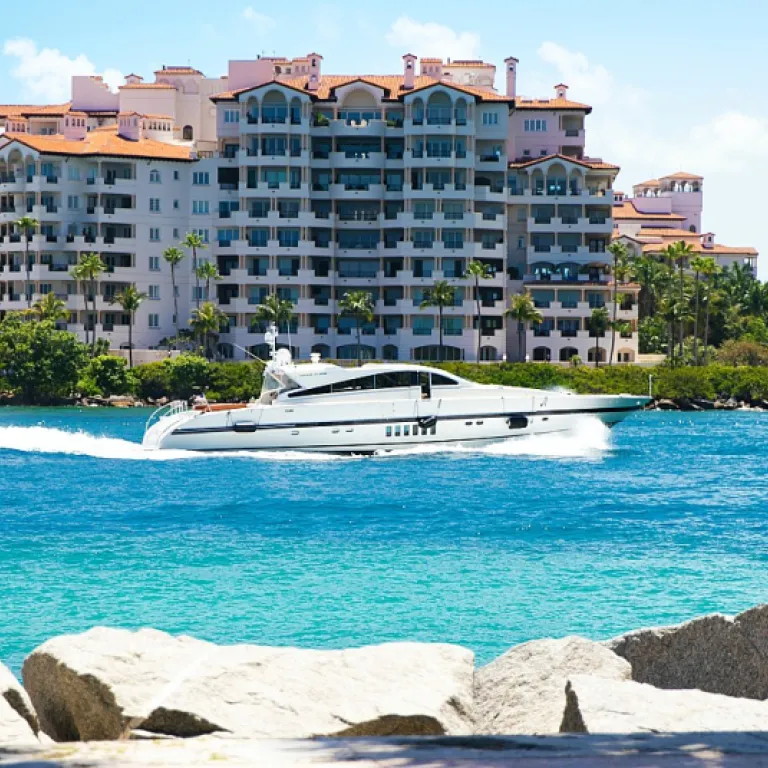
Understanding the layout of a superyacht
The Complex World of Superyacht Spaces
When stepping onboard a luxury yacht, especially a superyacht, it’s easy to be impressed by the sheer scale and sophistication. The layout is meticulously planned to balance comfort, privacy, and operational efficiency. Each area, from the interior department to the deck, plays a crucial role in the daily life and safety of everyone onboard.
Superyachts are typically divided into several key zones:
- Guest areas: Lavish lounges, dining rooms, and suites designed for relaxation and entertainment.
- Crew quarters: Functional spaces where yacht crew, including the chief stewardess, deck crew, and engineer, live and work full time.
- Service and technical zones: Kitchens (galleys) managed by the head chef and sous chef, as well as engine rooms overseen by the chief engineer and maintenance teams.
- Operational decks: Where the captain, chief officer, and officer watch manage navigation and safety.
The bridge deck, where the captain commands, is central to the yacht’s management and safety. It’s not just about steering the vessel; it’s a hub for communication, decision-making, and coordination among all crew members. The chief officer, second officer, and other officers support the captain’s role, ensuring smooth operations across all departments.
On larger yachts, the division of responsibilities becomes even more specialized. The interior team, led by the chief stew or chief stewardess, focuses on guest experience, while the deck crew and engineers handle exterior maintenance and technical systems. This structure allows for clear career paths and training opportunities for those seeking a career in the yacht industry, whether as a stewardess, chef, or officer.
Understanding these zones and the roles within them is essential for anyone considering a career onboard or simply passionate about the world of superyachts. For those interested in the latest trends and essentials for yacht crew, check out why the South 2 West 8 Jungle Hat is making waves among yacht enthusiasts.
The bridge: the captain’s command center
The heart of navigation and operations
The bridge is the nerve center of any superyacht, where the captain and officers take command of the vessel. On larger yachts, this area is often equipped with advanced navigation and communication systems, allowing the captain to oversee every aspect of the yacht’s journey. The bridge is typically located on the upper deck, offering a clear, unobstructed view for safe maneuvering and situational awareness.
Superyacht crew members, including the chief officer and second officer, work closely with the captain on the bridge. Their roles involve monitoring instruments, plotting courses, and maintaining constant communication with deck crew and the chief engineer. This teamwork ensures the yacht operates smoothly and safely, especially during challenging conditions or when entering busy marinas.
- Captain’s role: Responsible for all decisions on navigation, safety, and management onboard.
- Officer watch: Officers take shifts to monitor the yacht’s position and systems around the clock.
- Chief engineer: Collaborates with the bridge team to ensure all technical systems are operational.
Modern bridges are designed for efficiency, with ergonomic layouts that allow the captain and officers to access controls, charts, and communication devices quickly. This setup supports the captain’s career by providing the tools needed for effective leadership and decision-making. For those considering a career in yacht crew positions, understanding the bridge’s function is essential, as it is where many key responsibilities converge.
To learn more about what distinguishes a yacht from other vessels, see this guide to yacht classifications.
Captain’s responsibilities on the bridge deck
Key Duties and Decision-Making on the Bridge
The bridge deck is where the captain’s role truly comes to life. Here, the captain is responsible for the overall management of the yacht, ensuring safety, navigation, and smooth operations. The bridge is not just a physical space; it’s the nerve center for all major decisions onboard. On a superyacht, the captain works closely with the chief officer and second officer, both of whom play vital roles in watchkeeping and navigation. The captain’s responsibilities include:- Overseeing the deck crew and yacht crew, ensuring everyone is trained and aware of their duties
- Coordinating with the chief engineer for maintenance and technical operations
- Maintaining constant communication with the interior department, including the chief stewardess and head chef, to align guest services with operational needs
- Managing safety drills and ensuring compliance with maritime regulations
- Providing career advice and guidance to crew members, supporting their professional development
How the bridge deck is designed for safety and efficiency
Designing the Bridge Deck for Optimal Operations
On a superyacht, the bridge deck is meticulously designed to enhance both safety and efficiency. The captain, along with the chief officer and deck crew, relies on this space to maintain smooth operations and ensure the well-being of everyone onboard. The layout is not just about aesthetics; it is a product of years of yacht engineering and crew management expertise. Every element on the bridge is positioned for quick access and clear visibility. Navigation equipment, communication systems, and safety controls are arranged so the captain and officers can respond rapidly to changing conditions. This is crucial, especially on larger yachts where the complexity of operations increases and the role of each crew member becomes more specialized. The bridge deck is also designed to facilitate teamwork among the superyacht crew. The chief engineer and officer watch have dedicated stations, allowing them to monitor technical systems and support the captain’s decisions. The bridge is often elevated, providing a commanding view of the yacht and its surroundings, which is essential for safe maneuvering and docking. For the interior department, including the chief stewardess and steward ess, the bridge deck’s design ensures they can communicate efficiently with the captain about guest movements and onboard activities. This coordination is vital for maintaining the luxury yacht experience while upholding safety standards. Key features supporting safety and efficiency include:- Ergonomic consoles for navigation and communication
- Direct access to exterior decks for rapid response
- Integrated monitoring systems for maintenance and engineering
- Clear sightlines for the captain and officer team
Interaction between the captain and crew across decks
Communication and Coordination Across Departments
On a superyacht, seamless interaction between the captain and crew is essential for smooth operations. The captain, based on the bridge, relies on clear communication with every department, from the deck crew to the interior team and engineering staff. This coordination ensures that all aspects of the yacht’s management, safety, and guest experience are handled with precision.- Deck Crew: The deck crew, including the chief officer, second officer, and officer watch, are in constant contact with the captain. They relay information about navigation, mooring, and safety drills. The captain’s role is to oversee their actions, provide guidance, and ensure that safety protocols are followed at all times.
- Engineering Team: The chief engineer and their team are responsible for the yacht’s maintenance and technical operations. Regular updates from the engine room to the bridge help the captain make informed decisions, especially during maneuvers or in case of technical issues.
- Interior Department: The chief stewardess, chief stew, and stewardesses manage the guest experience onboard. They coordinate with the captain regarding guest schedules, special requests, and privacy needs. This collaboration helps balance operational efficiency with luxury service.
- Galley Team: The head chef, sous chef, and kitchen staff work closely with the captain and chief stewardess to plan meals and events. Timing and logistics are discussed to ensure smooth service, particularly on larger yachts with full-time crew and demanding itineraries.
Maintaining Professional Boundaries and Teamwork
The captain’s management style sets the tone for the entire yacht crew. While the captain is ultimately responsible for the vessel and everyone onboard, effective delegation to the chief officer, chief engineer, and department heads is key. Regular briefings and training sessions help maintain high standards and safety awareness among crew members. This approach not only supports career development for those seeking advancement in yacht crew positions but also fosters a culture of trust and professionalism. Onboard, the interaction between departments is a blend of formal reporting and informal teamwork. Whether it’s a chief stew preparing for a VIP charter or a deck crew member handling maintenance, every crew member’s skills contribute to the yacht’s success. For those considering a career in the superyacht industry, understanding these dynamics is crucial for long-term growth and job satisfaction.Privacy and accessibility: balancing captain’s space and guest experience
Balancing Command and Guest Comfort
On a superyacht, the captain’s role is not just about navigation and safety. It’s also about maintaining a delicate balance between operational command and the privacy of guests. The bridge deck, where the captain and officer team operate, is typically designed to provide both accessibility for crew and discretion for those enjoying the luxury yacht experience. Superyacht crew management involves careful planning of movement and communication. The captain, chief officer, and deck crew must coordinate without disrupting the ambiance for guests. This is especially important on larger yachts, where the bridge deck may be close to guest lounges or exterior spaces. Access routes are often separated for crew and guests, allowing the captain and officers to move efficiently while preserving guest privacy. The interior department, led by the chief stewardess or chief stew, works closely with the bridge to ensure seamless service. For example, the head chef and sous chef may need to coordinate meal timings with the captain, especially during passages or when weather conditions affect onboard activities. The chief engineer and maintenance team also interact with the bridge to address technical issues, but always with minimal impact on guest experience.- Dedicated crew corridors and stairways help crew members move between decks discreetly.
- Access to the bridge is often restricted to authorized crew positions, such as the officer watch or second officer, to maintain security and focus.
- Training for superyacht crew emphasizes respect for guest privacy and professional boundaries.