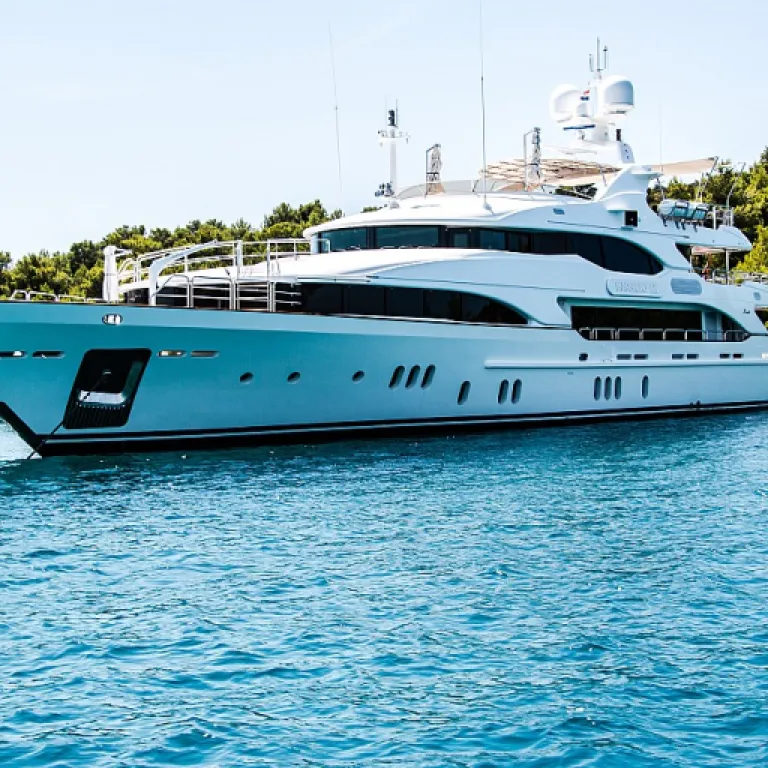
Why oyster sailboats still set the tone in bluewater cruising
Bluewater credibility that keeps being proven at sea
Among serious bluewater cruisers, few production sailing yachts trigger the same quiet nod of respect as an Oyster yacht. This is not marketing hype ; it is the result of a long track record of real ocean miles, circumnavigations, and hard weather passages that keep showing up in delivery logs, rally results, and owner reports.
When you look at the bluewater segment as a whole, you find strong names like Hallberg Rassy, Nautor Swan, Cabo Rico, and the more mainstream cruising lines from Beneteau, Catalina, or Hunter. Each sailboat brand has its own philosophy. Oyster sits in a particular niche : semi custom, ocean capable cruising yachts that are designed from the keel up for long distance living aboard, not just coastal sailing.
Independent oyster review articles and bluewater yacht review roundups consistently highlight the same pattern : conservative but modern hull shapes, robust layup, and a systems approach that assumes the boat will be far from the dock for long stretches. That is why you keep seeing Oysters on world rallies, at remote anchorages, and parked in front of customs docks in places like Panama or the Pacific islands.
Design philosophy : comfort and safety before fashion
In an era where many sailboats chase marina appeal, wide sterns, and maximum interior volume, Oyster yachts still lean toward a bluewater first design brief. The typical beam draft balance is chosen to give a stable, predictable motion at sea, not just a big aft cabin. The moderate beam, deeper draft, and powerful underbody are there to keep the boat tracking when the autopilot has been steering for days.
Compared with a typical production cruiser from Beneteau or Catalina, the current Oyster range tends to prioritize :
- A protected center cockpit with deep coamings for offshore watchkeeping
- Heavier displacement for load carrying and motion comfort
- Structural integrity around chainplates, bulkheads, and keel attachment
- Dedicated crew quarters on larger models for serious passagemaking
This is not to say other sailing yachts cannot cross oceans. Many do. But Oyster has built its reputation on the assumption that bluewater is the default use case, not the exception. That mindset influences everything from tankage and storage to deck ergonomics and the way systems are installed and labeled.
For readers who like to discover how innovation and craftsmanship intersect in the wider yacht market, it is interesting to compare this philosophy with more cutting edge builders. A good example is the technology driven approach described in this overview of innovations in modern yacht design. Oyster sits closer to the conservative, ocean proven end of that spectrum, but the same push for reliability and thoughtful engineering is clearly there.
Sailing performance that is built for real oceans
Performance is a loaded word in the yachts world. For some, it means light air speed around the buoys. For bluewater sailors, it means the ability to keep a decent average over days and weeks, without exhausting the crew. This is where Oyster sailing has earned its following.
On paper, an Oyster will rarely look as quick as a lighter coastal cruiser. In practice, the combination of powerful rigs, efficient hulls, and a comfortable motion often results in higher real world averages on passage. Owners repeatedly report that they can keep the boat moving in a wide range of conditions, reef early, and still maintain respectable speeds. That is the kind of sailing performance that matters when you are crossing the Atlantic or thinking about a Cape Horn capable route.
Compared with a performance oriented brand like Nautor Swan, Oyster is more conservative. Compared with a typical coastal yacht from Hunter or Catalina, it is more offshore focused. The result is a type of bluewater cruiser that feels reassuring when the barometer drops, yet still rewarding to hand steer on a good reach.
Built for real world cruising, not just boat shows
Walk any major yachts sale dock in Fort Lauderdale or Florida generally, and you will see a mix of coastal cruisers, performance boats, and a few serious bluewater machines. The Oysters stand out because they look ready to leave tomorrow. Big ground tackle, serious davits, proper dinghy storage, and practical deck layouts are not afterthoughts. They are baked into the design.
Inside, the layout is clearly aimed at long term cruising. Sea berths, secure handholds, and machinery spaces that can actually be serviced at sea are standard features. On larger models, the separation between owner accommodation and crew quarters reflects the reality that many owners will run the boat with professional help on extended voyages.
This bluewater first approach has consequences that ripple through every other aspect of ownership. It affects the current market perception of the brand, the way sale oyster listings are evaluated, and the long term resale story that we will explore later. It also shapes the maintenance profile and refit decisions, which deserve their own deep dive when you start comparing an oyster yacht with other cruising yachts like Hallberg Rassy or Cabo Rico.
Award winning reputation and the psychology of trust
There is also a softer, but very real, factor behind why oyster sailboats for sale keep turning heads : trust. Over the years, the brand has collected its share of award winning mentions in the sailing press and bluewater circles. More importantly, it has built a community of owners who actually use their boats for what they were designed to do.
When experienced sailors read an oyster review, they are not just looking at glossy photos. They are scanning for evidence of miles sailed, weather faced, and problems solved. They compare that with their own time on other sailboats from Beneteau, Hunter, Catalina, or even high end brands like Nautor Swan. Over time, this accumulation of real world stories creates a strong psychological signal : this is a boat you can trust when the nearest yard is a thousand miles away.
That trust is a big part of why the current Oyster fleet holds its value, why brokerage listings attract serious buyers, and why many owners move from one yachts Oyster model to another rather than switching brands. It also explains why, when you walk a dock full of sailing yachts, the Oyster often draws a second look from anyone who has actually crossed an ocean.
In the next parts of this article, we will dig into what you notice when you step aboard, the realities behind the price tag, and how factors like refit history and long term cruising plans should shape your decision if you are considering a sale Oyster listing as your next serious bluewater home.
What makes an oyster different when you walk the dock
The unmistakable first impression at the dock
Walk a marina full of cruising yachts and it does not take long before an Oyster stops you in your tracks. Even if you are used to serious bluewater sailboats like Hallberg Rassy, Nautor Swan, Cabo Rico or the more mainstream Beneteau, Catalina or Hunter cruiser lines, an Oyster has a particular stance in the water that feels different.
The sheerline is usually more powerful, the bow fuller, the stern with enough volume to carry gear and crew quarters without looking bloated. The beam draft balance is clearly drawn for ocean work rather than marina posing. You see a yacht that looks ready to leave for a rally tomorrow, not just a weekend hop along the coast.
On the dock, that first impression is reinforced by details : solid stainless work, deep toerails, serious cleats, and a deck layout that looks like it has actually crossed oceans. This is where many sailors first discover why Oyster yachts keep showing up in bluewater conversations and in every serious Oyster review or bluewater yacht review.
Deck layout built for real ocean miles
Most cruising sailors can read a deck layout in seconds. On an Oyster sailboat, the priorities are obvious. The center cockpit is deep and protected, with coamings that actually keep water out. Winches are placed where a short handed crew can manage the sail plan without gymnastics. Side decks are wide, with handholds where you expect them, not where a stylist thought they looked pretty.
Compared with many production cruising yachts for sale, especially those optimized for marina living in places like Florida or Fort Lauderdale, the Oyster deck feels more purposeful. You see :
- Substantial deck hardware sized for ocean loads
- Thoughtful line routing that keeps trip hazards low
- Real anchoring systems, often with dual bow rollers and serious chain lockers
- Protected companionways and solid dodger or hardtop options
This is not to say other sailing yachts cannot cross oceans. Many Beneteau, Catalina or Hunter models have completed circumnavigations. But when you walk past a current Oyster or an older sale Oyster listing, the deck tells you immediately that bluewater was the design brief, not an afterthought.
Hull form, rig and sailing performance you can see
Even before you hoist a sail, you can read a lot about sailing performance from the hull and rig. Oyster sailboats tend to have moderate beam, generous displacement and a keel configuration that balances beam draft for both tracking and access. They are not extreme performance machines, but they are not sluggish either.
Compared with lighter cruising yachts, the Oyster hull shape and rig suggest :
- Comfortable motion in a seaway rather than twitchy responsiveness
- Good load carrying capacity for long range cruising
- Balanced sail plans that keep helm loads reasonable
When you line up an Oyster yacht next to a typical coastal cruiser, the differences are visible. Mast section, chainplate structure, standing rigging dimensions and even the way the boom is controlled all point to a yacht that expects to see Cape Horn conditions, not just a gentle afternoon breeze. That is why many owners talk about sailing performance in terms of average passage speeds and crew fatigue, not just top speed numbers.
Interior that feels like a seagoing home, not a condo
Step below on an Oyster and the contrast with many volume oriented cruising yachts is immediate. The joinery is heavier, the handholds are where you need them at sea, and the layout is clearly designed for living aboard under way, not just at anchor. You do not see vast open spaces that become dangerous when the yacht heels. Instead, you see a sequence of secure zones where crew can move, cook, navigate and rest while the sailboat is in motion.
Many award winning Oyster interiors manage to combine this seagoing practicality with a level of finish that rivals custom yachts. The cabins feel like real living spaces, with proper sea berths, functional storage and technical spaces that are accessible for maintenance. For long term cruising yachts, that balance between comfort and practicality is not a luxury ; it is a safety feature.
In larger models, dedicated crew quarters are another visible signal that the yacht is designed for extended passages and professional support if needed. Even if an owner sails shorthanded, the presence of proper crew spaces speaks to the design philosophy behind the yacht.
Systems, engineering and the “behind the panels” story
Serious bluewater sailors know that what you cannot see at first glance often matters most. On an Oyster, the engineering behind the interior is one of the key differences you notice as you start opening lockers and floorboards. Wiring looms are labeled and supported, plumbing runs are accessible, and major systems are installed as if someone expected to service them in mid ocean conditions.
This is where many owners say they truly discover the value of an Oyster review or a detailed technical inspection before purchase. Compared with some production yachts sale offerings, where systems can feel like afterthoughts, the Oyster approach is closer to semi custom cruising yachts. The layout of tanks, generators, watermakers and electrical systems is usually logical and robust.
That level of engineering is not unique to Oyster. Builders like Hallberg Rassy, Nautor Swan and Cabo Rico have similar reputations. But when you walk the dock and start lifting hatches, you quickly understand why yachts Oyster models command a premium and why the current Oyster range continues to attract bluewater focused buyers.
Comfort details that matter on day 30, not just day 3
Another thing that stands out when you compare an Oyster sailing yacht with more mainstream cruising designs is the attention to long term comfort. Cockpit ergonomics, seating angles, companionway steps, galley layout and even the way you brace yourself at the nav station all show that the design team thought about life at sea for weeks, not just a quick weekend.
Small details like secure seating, proper back support and safe movement paths become critical on long passages. Many owners upgrade helm and cockpit seating with specialized leaning posts or custom solutions to improve watch keeping comfort. For sailors interested in how thoughtful seating design can transform time on deck, it is worth exploring resources on innovative boat leaning post seats and similar ergonomic upgrades.
Inside, the combination of natural light, ventilation and secure stowage is another visible differentiator. While some coastal cruisers prioritize huge windows and open spaces, Oyster tends to balance light with structural integrity and offshore practicality. That is one reason many bluewater sailors gravitate toward Oyster when they move from coastal sailing to true ocean cruising.
How Oyster stands apart from mainstream production cruisers
When you line up an Oyster next to a Beneteau, Catalina or Hunter in a Florida brokerage yard, the differences are not just about luxury. They are about intent. The mainstream brands build excellent sailboats for a wide audience, often optimized for charter, coastal cruising and marina life. Oyster yachts are built for a narrower group of owners who prioritize bluewater capability, long term durability and a certain level of bespoke finish.
From the dock, you see :
- More robust construction and hardware choices
- Deck and cockpit layouts optimized for offshore watch keeping
- Interiors that favor secure movement and sea berths over maximum volume
- Systems installed with serviceability and redundancy in mind
Those visible differences are only part of the story. The hidden realities behind the price tag, the refit implications and the long term ownership costs all flow from these design choices. But for many serious cruisers, that first walk along the dock is enough to understand why an Oyster sailboat keeps turning heads among sailors who think in ocean miles, not just marina slips.
The hidden realities behind the price tag
The price of an Oyster under the microscope
When sailors first look at an Oyster yacht on the brokerage market, the initial reaction is often the same : “Why is this sailboat so much more expensive than a similar length cruiser from Beneteau, Catalina or Hunter ” The answer is not a single magic ingredient. It is a stack of design decisions, build methods and long term support that all show up in the final number on the listing.
To understand the price of Oyster yachts, you have to look at them the way serious bluewater sailors do. Not as a shiny yacht for a weekend in Florida or Fort Lauderdale, but as a self contained platform that might cross the Atlantic, join a world rally, or push on toward Cape Horn. That mission profile drives almost every cost line in the build.
Where the money actually goes
Compared with many production cruising yachts, an Oyster sailboat is built in smaller numbers, with more labor hours per hull and a higher specification of materials. That is not marketing language, it is visible when you walk through the boat and when you read a detailed Oyster review or survey report.
- Structure and layup : Oyster uses heavy duty laminates, substantial framing and reinforced bulkheads designed for bluewater loads. This is a different philosophy from lighter coastal cruising sailboats that prioritize marina comfort and price.
- Deck and rig hardware : Winches, furlers, chainplates and standing rigging are typically sized for offshore sailing performance and redundancy. Overspec hardware costs more up front, but it is part of the reason these yachts keep their composure in rough current and heavy weather.
- Systems and redundancy : Multiple autopilots, robust electrical systems, serious charging capacity, watermakers and heating or air conditioning are common. These are not optional toys ; they are part of the bluewater brief and they add real cost.
- Interior joinery : The level of woodwork and finish in an Oyster yacht is closer to what you find in high end cruising yachts from Hallberg Rassy, Nautor Swan or Cabo Rico than in mass market production boats. Each cabin, from the owner’s suite to the crew quarters, is built with long term liveaboard use in mind.
All of this is reflected in the asking price when you see a sale Oyster listing. It is also why many owners compare Oysters with other semi custom sailing yachts rather than with entry level cruisers.
Price versus comparable bluewater cruisers
Among serious bluewater sailors, the real comparison set for an Oyster yacht is often Hallberg Rassy, Nautor Swan, or a fully refitted Cabo Rico or similar type of cruiser. These are all yachts designed to cross oceans, not just the bay.
In that context, Oyster yachts usually sit in the upper part of the price range, especially for newer models or a current Oyster with low hours. The premium comes from :
- Raised saloon and deck layout that gives the signature Oyster look and liveability.
- Custom options chosen by the first owner, from rig configuration to interior layout and specialist bluewater gear.
- Brand reputation built on decades of circumnavigations, world rallies and award winning designs.
For buyers used to reading listings for more mainstream cruising yachts for sale, the numbers can feel high. But when you factor in the level of equipment and the offshore ready specification, the gap narrows. A cheaper yacht that needs a full bluewater refit can easily erase the initial saving.
Understanding the “Oyster premium”
The so called Oyster premium is not only about materials and labor. It is also about risk management. Offshore sailors pay for confidence that the hull, rig and systems will cope with long passages and unexpected weather. That confidence is hard to quantify, but it shows up in how these sailboats are used.
Many Oysters spend their lives on serious cruising routes, not just in marinas. They join circumnavigation rallies, cross oceans repeatedly and operate with small crews. The design brief assumes that the yacht may be far from easy support. That is why redundancy and robust engineering are baked in from the start.
There is also a market perception factor. When a brand becomes strongly associated with bluewater reliability, buyers are willing to pay more for a well maintained example. That perception is reinforced by real world track records and by the way surveyors and brokers talk about the boats in their reports and reviews.
New build versus brokerage : different price stories
On the new build side, the cost of an Oyster is driven by modern regulations, labor costs in established boatbuilding regions and the expectation of a high level of customization. A new Oyster yacht is closer to a semi custom project than a standard production sailboat. Each build slot is limited, which also supports pricing.
On the brokerage market, the story is more nuanced. You will see :
- Well maintained, cruise ready Oysters that command strong prices because they can leave on a bluewater passage almost immediately.
- Older hulls needing refit that are more accessible but require serious investment in rigging, sails, electronics and systems. The initial discount can be attractive, but the total cost after refit may approach that of a newer, better equipped yacht.
For buyers comparing options, it is essential to look beyond the headline price and build a realistic budget that includes refit and maintenance. That is where the true cost of ownership starts to emerge.
How design choices influence cost
Some of the design elements that make an Oyster stand out on the dock also influence the price. The raised saloon, deep cockpit, protected companionway and often substantial beam draft combination are not just styling. They are part of the offshore safety and comfort package.
Features like dedicated crew quarters on larger models, walk in engine rooms and generous tankage add volume and complexity. They also add cost. But for long distance cruising, these are not luxuries ; they are practical advantages that reduce fatigue and make maintenance easier at sea.
When you compare this with lighter coastal cruisers or performance oriented designs, you see a different set of trade offs. A performance cruiser may offer higher speeds in moderate conditions, but with less structural margin and less storage for long term cruising. Oyster leans toward the bluewater side of that balance.
Why the price tag still attracts serious buyers
Despite the premium, Oyster sailing yachts continue to attract committed bluewater sailors. The combination of build quality, offshore capability and long term support creates a package that many owners consider worth the investment.
There is also a strategic angle. Buyers who plan to cruise for several years, perhaps join a world rally or explore remote regions, often prefer to invest more upfront in a yacht that is already aligned with their plans. The alternative is to buy a cheaper sailboat and then spend years and significant money bringing it up to bluewater standard.
In that sense, the price tag is not just about luxury. It is about time, safety and the ability to leave the dock with confidence. For many in the bluewater community, that is exactly why Oyster yachts keep turning heads, even when the numbers on the listing sheet are higher than the neighboring cruiser.
For sailors comparing different bluewater capable platforms, it can also be useful to look at how other segments of the market approach offshore design, from monohulls to modern catamarans. A detailed technical review of a contemporary bluewater catamaran design offers an interesting contrast in how builders allocate cost between structure, systems and living space.
Refit, maintenance and the true cost of ownership
The maintenance reality behind the bluewater reputation
When you look at an Oyster yacht tied up alongside other cruising yachts from brands like Hallberg Rassy, Nautor Swan, Cabo Rico, Beneteau or Hunter, it is easy to focus on the glamour. The truth is that the refit and maintenance profile of an Oyster sailboat is a big part of what you are really buying. Serious bluewater sailing exposes every weakness in a yacht, and Oyster yachts are engineered with that in mind. That does not mean they are cheap to keep, but it does mean the money you spend tends to go into preserving real offshore capability rather than patching fundamental design flaws.
Compared with many production cruising yachts, the systems on an Oyster are more complex, more redundant and often more robust. That is great when you are crossing to Florida after a transatlantic rally or thinking about a Cape Horn passage, but it also means you need to budget for professional level care. Owners who come from lighter coastal cruiser brands are often surprised by the scale of the maintenance program that a true bluewater cruiser demands, even when the yacht has an award winning pedigree.
Typical refit cycles for an ocean ready Oyster
Patterns emerge when you read Oyster review material, survey reports and brokerage listings for sale Oyster models. The same refit milestones keep coming up, whether the boat is lying in Fort Lauderdale, the Mediterranean or a high latitude cruising ground. While every sailboat is unique, the following time frames are common for an actively used bluewater cruiser :
- Standing rigging : Often inspected annually and replaced around the 10 year mark for serious ocean sailing, sometimes earlier if the yacht has done multiple ocean rallies or circumnavigations.
- Sails and canvas : High quality sails on an Oyster sailing program that includes regular ocean passages may need major work or replacement every 7 to 10 years, sooner if the owner pushes hard for performance.
- Electronics and navigation : Technology moves fast. Many owners plan a significant electronics refresh every 8 to 12 years to keep the yacht aligned with current standards for safety and sailing performance.
- Teak decks : A well built teak deck can last 15 to 25 years depending on climate, care and how much the yacht has been worked. When the time comes, a full deck replacement is a major refit item and should be factored into long term ownership costs.
- Machinery and systems : Generators, watermakers, air conditioning and hydraulic systems are central to the Oyster cruising experience. They require regular servicing and periodic overhauls, especially on yachts that have spent years living aboard.
These cycles are not unique to Oyster yachts. A comparable Nautor Swan, Hallberg Rassy or high end custom bluewater sailboat will show similar patterns. The difference is that the original build quality of an Oyster often makes these refits more worthwhile, because the underlying structure, hull and deck are designed for decades of hard sailing.
Why systems heavy yachts cost more to keep in top shape
One of the reasons serious cruisers gravitate to Oyster is the way these sailing yachts are set up for long term liveaboard life. Large tankage, powerful electrical systems, sophisticated charging setups and well thought out crew quarters all support extended time at sea. The trade off is that there is simply more to maintain than on a simpler coastal cruiser from a brand like Catalina or a smaller Beneteau.
On a typical Oyster yacht you will often find :
- Multiple refrigeration units and freezers for long passages
- Complex charging systems with inverters, chargers and sometimes generators
- Hydraulic furling and winches to handle big rigs and wide beam draft combinations
- Extensive plumbing for watermakers, multiple heads and sometimes separate crew quarters
Each of these systems adds comfort and safety for bluewater cruising, but each also adds a line to the maintenance spreadsheet. Owners who plan to cross oceans or join a world rally usually accept this as the price of independence and redundancy. Those who mainly coastal cruise in Florida or the Mediterranean may find that they are paying to maintain capability they rarely use.
Budgeting realistically for annual running costs
There is no single number that fits every Oyster, because size, age, usage and location all matter. However, brokers and management companies that handle cruising yachts in the 50 to 70 foot range often work with a rule of thumb : annual running costs, including routine maintenance, insurance, mooring and basic refit work, can easily reach 8 to 12 percent of the yacht’s market value for an actively used bluewater sailboat.
For an older Oyster on the brokerage market, that percentage may shift depending on how much deferred maintenance exists. A well maintained yacht that has had a recent rig, electronics and deck refit may be cheaper to run in the short term than a lower priced example that needs all of those items in the next few years. When you read Oyster review notes or survey comments, pay close attention to these big ticket items rather than just the asking price.
Location also plays a role. Labor and yard rates in Fort Lauderdale or other major yachting hubs can be higher than in some cruising regions, but the depth of expertise is often better. For complex yachts Oyster owners often prefer yards that know the brand well, even if that means higher hourly rates, because the work tends to be more efficient and better aligned with the original build standards.
Refit strategy : preserve capability, not just cosmetics
When a bluewater cruiser reaches the point where a major refit is needed, owners face a strategic choice. Do they simply refresh the cosmetics to make the yacht look good for yachts sale listings, or do they invest in the structural and systems work that preserves offshore capability ?
On an Oyster, the value is usually in the latter. Buyers in this segment tend to read survey reports carefully and understand the difference between a cosmetic refit and a deep technical one. A yacht that has had its rig, chainplates, bulkheads, systems and deck properly addressed will often command a stronger price and sell faster than a shinier but tired example. This is where the long term thinking discussed in other parts of this article really pays off.
Owners who plan to cruise hard, perhaps aiming at a circumnavigation or high latitude routes, often schedule refits around their sailing plans. A yacht that has just completed a demanding rally or a long Pacific crossing may go straight into a yard period to address everything that showed up under load. This proactive approach keeps the yacht in a state where it can safely tackle the next leg, rather than waiting for failures to dictate the schedule.
Comparing Oyster with other bluewater brands on upkeep
When you compare an Oyster with other bluewater sailboats like Hallberg Rassy, Nautor Swan or Cabo Rico, the maintenance story is nuanced. All of these brands build serious cruising yachts, and all require committed owners. The differences often come down to how the yacht is used and what level of comfort and performance the owner expects.
For example, a performance oriented Swan that is raced hard and cruised fast may see higher wear on sails and rigging than a more conservatively sailed Oyster. A heavily customized Oyster with extensive systems and luxury interior finishes may have higher interior maintenance costs than a simpler Hallberg Rassy that focuses on rugged practicality. A smaller cruiser from Catalina or Hunter, used mainly for coastal sailing, will almost always be cheaper to maintain than any of these bluewater focused yachts, but it will not offer the same offshore capability.
Independent market data from brokerage reports and bluewater cruising forums consistently shows that owners of serious ocean capable yachts accept higher maintenance budgets as part of the package. The key is that the underlying structure and design of an Oyster make those investments worthwhile over decades, which ties directly into the discussion about resale value and liquidity later in this article.
Reading listings and surveys with a refit mindset
For buyers considering a current Oyster on the market, the smartest move is to read listings and surveys through a refit lens. Instead of focusing only on the year and asking price, look for :
- Evidence of recent rig, deck and systems work, with dates and invoices
- Clear descriptions of machinery hours and service history
- Details on any major refits, not just cosmetic upgrades
- Comments on sailing performance after upgrades, especially if the yacht has done recent bluewater passages
Brokerage descriptions that mention recent participation in a rally, ocean crossing or extended cruising program can be useful, but they should be backed up by documented maintenance. A yacht that has been sailed hard but maintained to a high standard can be a better buy than a lightly used sailboat with a long list of deferred items.
In the end, the true cost of owning an Oyster is not just about the purchase price. It is about understanding the refit and maintenance rhythm that comes with a serious bluewater cruiser, and deciding whether that rhythm matches your own sailing ambitions. For those who want a yacht that can carry them safely and comfortably across oceans, the investment often makes sense. For those whose plans are more modest, it may be worth considering whether a different type of cruiser, perhaps a simpler coastal focused design, would be a better fit.
Matching the right oyster to your sailing plans
Start with your real sailing brief, not the dream brochure
When serious bluewater sailors start looking at Oyster yachts, the first mistake is often shopping by length and price instead of by sailing brief. An Oyster 45 that has crossed a Cape Horn style route with a couple on board is a very different proposition from a newer current Oyster 565 set up for family cruising with crew quarters and a professional skipper.
Before you fall for the woodwork and the deck saloon windows, write down how you actually plan to use the boat :
- Full time liveaboard bluewater cruising, or seasonal escapes ?
- Mostly trade wind passages and rallies, or high latitude exploration ?
- Owner operated, or with permanent crew in dedicated crew quarters ?
- Two people on board most of the time, or a rotating cast of family and friends ?
- Do you care more about pure sailing performance, or comfort at anchor ?
Once that is clear, the right type of Oyster starts to emerge. Some models lean closer to performance cruiser territory, competing in spirit with brands like Nautor Swan, while others are unashamedly heavy displacement cruising yachts that appeal to sailors who might also be looking at Hallberg Rassy or Cabo Rico bluewater designs.
Understanding the Oyster family: size, generation and design DNA
Across the used market of Oyster sailboats for sale, you will see a wide spread of sizes and generations. Matching the right hull to your plans means understanding how the design language has evolved. Earlier models, often in the 40 to 50 foot range, tend to be slightly narrower with deeper beam draft ratios and a more traditional feel under sail. Later current Oyster designs have fuller sterns, more volume and a stronger focus on lifestyle spaces.
Compared with mainstream production sailboats like Beneteau, Catalina or Hunter, an Oyster of similar length usually carries more displacement, a stiffer rig and a more conservative sail plan. That is part of what gives these sailing yachts their reputation as serious bluewater cruisers, but it also affects how they behave in light airs and in tight marinas from Florida to the Mediterranean.
When you read any Oyster review or broader yacht review, pay attention to :
- Displacement and ballast ratio for offshore comfort and carrying capacity
- Beam and draft for stability, marina access and shallow anchorages
- Keel type (deep fin, shoal, centerboard) for your preferred cruising grounds
- Rig configuration and sail handling systems for realistic crew numbers
For example, a deep draft Oyster that feels perfect surfing down Atlantic swells may be frustrating if your home waters are skinny bays or the Intracoastal Waterway near Fort Lauderdale. On the other hand, a shoal draft configuration that opens up the Bahamas might not be your first choice if you are planning repeated high latitude passages.
How many people will really sail with you ?
Cabin layout is where many buyers of sale Oyster listings either overbuy or underbuy. The classic Oyster layout with an aft owner’s suite, forward guest cabins and separate crew quarters is ideal if you plan to run the boat as a mini expedition yacht or charter platform. It is less ideal if you are a couple who values storage and machinery access over extra berths.
Ask yourself :
- Do you genuinely need a dedicated crew cabin, or will that space become a sail locker and workshop ?
- Will you regularly host another couple for long passages, or just the occasional weekend visitor ?
- Is a fourth cabin worth the compromise in tankage, storage or systems access ?
Compared with many production cruisers from brands like Beneteau or Catalina, Oyster layouts are already biased toward serious cruising rather than charter density. Still, within the range there is a big difference between a three cabin owner focused layout and a four or five cabin configuration designed around crewed operation.
For long distance sailing, fewer but better cabins, with good ventilation and sea berths, often beat a higher cabin count. That is especially true if you plan to join a rally or undertake multi week passages where off watch rest matters more than occasional marina entertaining.
Sailing performance versus liveaboard comfort
Oyster has always walked a line between performance and comfort. These are not stripped out race boats, but they are also not floating apartments. When you compare them with other cruising yachts or with performance oriented brands like Nautor Swan, it helps to be honest about how you will actually sail.
If you are the kind of sailor who trims constantly, loves to tweak sail shape and wants to arrive first in every rally, you will gravitate toward the lighter, more performance focused models in the range, with higher aspect rigs and more modern underwater shapes. If your priority is a quiet motion, a protected cockpit and a warm, bright deck saloon where you can keep watch in bad weather, then the heavier, more comfort oriented models will make more sense.
When you read Oyster performance notes or any independent Oyster review, look for :
- Average passage speeds reported by real owners, not just polar diagrams
- Comments on motion in a seaway, especially upwind in a bluewater chop
- How easy it is to reef and handle sails with a small crew
- Feedback on helm feel and balance under different sail combinations
In many ways, the right Oyster for a couple who want to cross oceans at a steady, comfortable 7 knots is different from the right Oyster for a sailor who wants to push hard, experiment with sail plans and maybe line up against performance cruisers in offshore events.
Where you plan to cruise shapes the right Oyster
Geography is another filter that should sit alongside budget and size. A buyer based in Florida, looking at yachts sale listings around Fort Lauderdale, will face different constraints from someone planning to keep the boat in northern Europe or the South Pacific.
Consider how your intended cruising grounds affect the choice :
- Tropical trade wind routes : ventilation, shade, cockpit protection and easy access to the water matter as much as insulation
- High latitude or shoulder season sailing : insulation, heating, protected watchkeeping and robust deck hardware become critical
- Shallow water cruising (Bahamas, US East Coast) : draft and keel configuration can be a deal breaker
- Remote areas : tankage, storage and systems redundancy are more important than marina friendly features
Oyster’s deck saloon concept, discussed earlier in the article, is a strong asset for mixed climate cruising. It gives you a bright, secure interior watchkeeping position that many mainstream sailboats simply do not offer. For sailors who dream of high latitude routes or shoulder season passages, that can be the deciding factor between an Oyster and a more conventional aft cockpit cruiser from brands like Beneteau or Hunter.
New build, current Oyster or proven veteran ?
Finally, there is the question of age. The market for Oyster sailboats for sale spans everything from classic models that have already circled the globe to current Oyster builds that are barely out of commissioning. Matching the right age bracket to your plans is as important as choosing the right length.
Broadly speaking, you can think in three bands :
- Older, proven cruisers : often attractively priced, with long distance histories. Ideal if you are willing to invest time in refit and systems upgrades, and if you value a track record of ocean miles over the latest styling.
- Mid generation models : usually benefit from updated systems and design tweaks, but may still require targeted refits. These can be a sweet spot for buyers who want modern comforts without the premium of a nearly new boat.
- Recent and current Oyster builds : command higher prices but offer the latest thinking in systems, safety and interior design. For sailors planning immediate departure on a world cruise, the reduced refit burden can justify the premium.
In each case, the key is to align age and condition with your departure timeline. If you want to leave on a circumnavigation within a year, a well maintained, recently refitted Oyster may be a better match than a cheaper project boat. If you enjoy the process of upgrading and customizing, an older hull with good bones can be a rewarding platform.
Across all these choices, the constant is this : the right Oyster is the one whose design, layout and condition match the way you will actually sail, not the way you imagine you might sail one day. When you approach the search with that mindset, the crowded field of yachts Oyster on the market narrows quickly to a handful of boats that truly fit your bluewater story.
Resale value, liquidity and long-term confidence
Why serious cruisers watch Oyster resale so closely
Among bluewater cruising yachts, few brands generate as much quiet attention on the brokerage market as Oyster. When a well kept Oyster sailboat comes up for sale, experienced sailors tend to notice fast. That is not just brand romance. It is a mix of build quality, reputation on ocean rallies, and a track record of actually crossing oceans rather than sitting in marinas.
Look at long running events like the ARC or world cruising rallies. Year after year, you will see a steady presence of Oyster yachts, often sailing alongside Hallberg Rassy, Nautor Swan, Cabo Rico, and other serious cruising yachts. That repeated real world exposure builds confidence. Buyers know these sailing yachts are not just brochure bluewater promises ; they are proven in the Atlantic, the Pacific, and the occasional Cape Horn detour.
On the brokerage side, that reputation translates into liquidity. In key markets such as the UK, Mediterranean, and Florida hubs like Fort Lauderdale, a clean Oyster yacht with a sensible inventory usually finds a buyer faster than many production cruisers from brands like Beneteau, Hunter, or Catalina. Those brands have their place, especially for coastal cruising, but the buyer pool for a true bluewater cruiser is different. It is smaller, more informed, and often specifically searching for an Oyster by name.
How depreciation really behaves with an Oyster
Every yacht depreciates. Even the most award winning design will not escape time, fashion, and new technology. But the curve is not the same for all sailboats. With Oyster yachts, the steepest drop tends to happen in the first ownership cycle, then values flatten out in a way that many owners quietly appreciate.
In practice, a well specified Oyster that has already crossed oceans often holds value better than a newer but lightly used coastal cruiser. Buyers in the bluewater segment are not only comparing year and length. They are reading survey reports, looking at refit history, and asking how the boat has actually been sailed. A 15 year old Oyster with a documented refit, updated rigging, modern electronics, and fresh sails can command a surprisingly strong price compared with a younger but less capable cruiser of similar beam and draft.
Independent brokerage data and market reports from established yacht brokers consistently show that premium bluewater brands such as Oyster, Hallberg Rassy, and Nautor Swan tend to retain a higher percentage of original value over 10 to 20 years than mass market cruising yachts. That does not mean you will “make money” on an Oyster, but it does mean the total cost of ownership can be more predictable when you factor in resale.
Why buyers pay a premium for proven bluewater capability
When you compare a sale Oyster listing with a similar length cruiser from a volume builder, the price gap can look brutal. But serious buyers are not just paying for teak and a name on the transom. They are paying for a package that includes structural engineering, sailing performance offshore, and a layout that works for real passage making.
Features that may have felt like “nice to have” when you first discovered the brand suddenly become value drivers at resale :
- Robust structure : Deep bilges, strong bulkhead bonding, and bluewater capable hull laminates are not easy to retrofit. Surveyors know this, and so do experienced buyers.
- Balanced sailing performance : An Oyster is not a stripped out racer, but its performance under sail is respected. A boat that tracks well, handles heavy weather, and keeps average speeds up on passage is more attractive on the used market than a sluggish cruiser.
- Practical interiors : Proper sea berths, secure galleys, and usable crew quarters matter when you are days from land. Layouts designed for real cruising, not just marina entertaining, hold value better with bluewater focused buyers.
- Systems access : Thoughtful engineering and access to systems reduce refit pain. Future buyers know that a boat which is easier to maintain is also cheaper to own long term.
These are the same elements that shaped your thinking about build quality, refit planning, and the true cost of ownership. On resale, they become negotiating leverage. A buyer comparing an Oyster review with a review of a lighter coastal cruiser will quickly see the difference in intended use and long term resilience.
Refit history as a value multiplier, not just a cost
In the bluewater segment, refit is not a dirty word. A well documented refit can actually be a major asset when you decide to sell. The key is transparency and quality. Buyers want to read clear records, see invoices, and understand which systems are current and which will need attention.
Major items that tend to move the needle on resale include :
- Recent standing and running rigging
- Modern navigation and communication electronics
- Engine and generator overhauls or replacements
- Fresh sails sized and cut for bluewater cruising
- Upgraded charging, solar, and battery systems
Because Oyster sailing yachts are often used for long distance cruising, buyers expect a certain level of wear. What they reward is a pattern of proactive maintenance. A yacht that has been prepared for a world rally, for example, often shows exactly the kind of upgrades a future owner would have paid for anyway. That can make a “rally veteran” Oyster more attractive than a lightly used but under specified sistership.
Market depth and where Oysters sell fastest
Liquidity is not just about price. It is about how many informed buyers are actively searching for your type of sailboat at any given time. Oyster has an advantage here because it sits in a clear niche : serious bluewater cruiser with a strong brand identity.
In practice, the most active markets for used Oyster yachts tend to be :
- European cruising hubs : The UK, Western Mediterranean, and Northern Europe have a long tradition of bluewater sailing and a deep pool of Oyster aware buyers.
- East Coast US and Florida : Areas like Fort Lauderdale, Annapolis, and other yachting centers see steady demand for capable cruising yachts that can head to the Caribbean or further.
- Long range cruising routes : Popular rally departure points and world cruising crossroads often have buyers actively looking for a ready to go bluewater yacht.
Compared with more generic cruising yachts for sale, an Oyster listing tends to attract a narrower but more motivated audience. These buyers have usually read multiple Oyster review articles, followed owner blogs, and compared the brand with Hallberg Rassy, Nautor Swan, Cabo Rico, and similar builders. When they come to view a yacht, they are often close to a decision.
Choosing with resale in mind from day one
If you are still in the discovery phase, comparing an Oyster yacht with other sailing yachts like Beneteau, Hunter, or Catalina, it is worth thinking about resale before you sign anything. The choices you make now will echo when it is your turn to list the boat.
Options and specifications that tend to support stronger resale include :
- Layouts with practical crew quarters rather than purely charter style cabins
- Conservative, proven rig and sail plans that favor bluewater reliability over experimental performance tweaks
- Equipment packages focused on offshore cruising rather than marina lifestyle only
- Finishes and materials that age gracefully and are easy to maintain
Beam and draft choices also matter. A very deep draft may be perfect for performance and heavy weather, but could limit resale in shallow cruising regions. On the other hand, a moderate draft that still delivers solid sailing performance will appeal to a broader audience. Thinking through where the next owner might want to cruise can help you choose a specification that keeps the market wide.
In the end, the reason Oyster sailboats for sale keep turning heads is not just the lines or the joinery. It is the sense that these yachts are built for the long game. They are designed to cross oceans, to be refitted rather than discarded, and to move from one committed owner to the next with their core value intact. For sailors who see their yacht as both a home and a serious tool for bluewater cruising, that long term confidence is hard to put a price on, but it shows up clearly when it is time to sell.