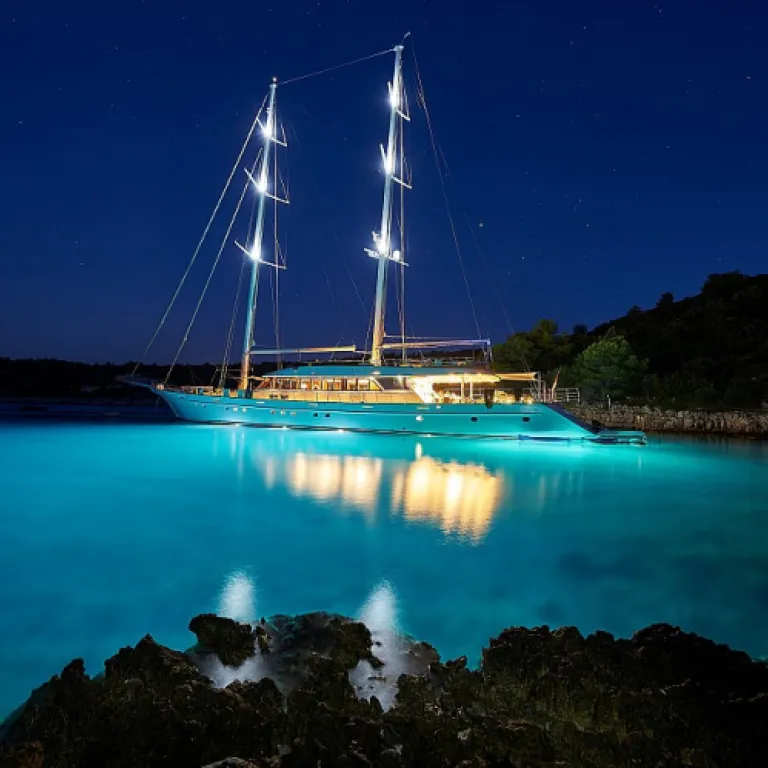
Defining boats and yachts in the industry
How the Industry Defines Boats and Yachts
In the marine world, the distinction between a boat and a yacht is more nuanced than many realize. While both are vessels designed for use on water, the terms carry specific meanings in the yacht industry. Generally, a boat refers to any watercraft smaller than a ship, often used for recreation, fishing, or short-distance cruising. Boats come in many forms, including sailing boats, motorboats, and racing boats. Their size, purpose, and level of luxury can vary widely.
On the other hand, a yacht is typically associated with luxury, comfort, and a certain standard of design. Yachts are vessels designed for pleasure and are often equipped for longer journeys or open ocean cruising. They can be sailing yachts or motor yachts, and they usually offer more amenities than standard boats. The term "yacht" often implies a vessel that is not only larger in size but also built for comfort, style, and sometimes even yacht racing or charter.
- Boats: Smaller, versatile, and may be used for sport, fishing, or short trips.
- Yachts: Larger, luxurious, and designed for extended cruising or entertaining guests.
- Ships: Even larger than yachts, ships are commercial or military vessels designed to carry cargo or passengers over long distances.
The line between boats and yachts is not always clear-cut. Some vessels, like a yacht boat or a large sailing yacht, blur the boundaries. Industry professionals often use feet length as a benchmark, with yachts typically starting at around 33 feet (10 meters) and above. However, it’s not just about size; luxury, design, and intended use play a major role in classification. For example, a 40-foot vessel designed for racing may still be considered a boat, while a similarly sized vessel with high-end finishes and amenities would be classified as a yacht.
For those interested in the latest trends and what sets high-end vessels apart, exploring the world of ultra boats for sale offers insight into how the industry continues to evolve. As you move through the rest of this article, you’ll see how size, luxury, regulations, and lifestyle further differentiate boats from yachts and shape the expectations of owners and enthusiasts alike.
Size and luxury: more than just measurements
Beyond the Numbers: What Size and Luxury Really Mean
When comparing a boat to a yacht, the conversation often starts with size. But in the marine industry, it’s not just about feet length or overall dimensions. The distinction between boats and yachts is shaped by a blend of size, design, and the level of luxury onboard.
Generally, vessels under 40 feet are considered boats, while those above this threshold, especially with enhanced amenities, step into yacht territory. However, this isn’t a strict rule. Some sailing boats and motor boats with advanced features and a focus on comfort can blur these lines. The term yacht is reserved for vessels designed for pleasure, cruising, or racing, often with a displacement hull for stability on the open ocean.
- Boats—from small sailing boats to fast motorboats—are typically built for day trips, fishing, or short coastal cruising. They may lack the space for extended stays or large groups.
- Yachts—including sailing yachts, motor yachts, and luxury yachts—are designed for longer journeys and a higher level of comfort. Features like multiple cabins, spacious decks, and advanced marine technology set them apart.
Luxury is a defining factor. Yacht interiors often rival those of high-end homes, with custom furnishings, entertainment systems, and even crew quarters. In contrast, most boats focus on function over form, prioritizing performance and simplicity.
The difference is also evident in the intended use. Yachts are built for extended cruising, yacht racing, or charter experiences, while boats are more about accessibility and versatility. This is why the yacht market often attracts buyers seeking not just a vessel, but a lifestyle upgrade. For those interested in exploring the world of high-quality yachts, you can find a guide to the finest Morris yachts for sale—a perfect example of craftsmanship and luxury in the yacht industry.
Ultimately, the real difference goes beyond measurements. It’s about how the vessel is designed, the experience it offers, and the expectations of those on board. Whether you’re drawn to the thrill of racing, the comfort of a luxury yacht, or the versatility of a well-built boat, understanding these nuances helps clarify what sets yachts apart in the world of boats and ships.
Regulatory and licensing differences
Legal Frameworks: What Governs Boats and Yachts?
When it comes to regulatory and licensing requirements, the differences between a boat and a yacht go far beyond size or luxury. The marine industry has clear distinctions in how vessels are classified and what is required to operate them, especially as you move from smaller boats to large yachts or even ships.
For most recreational boats, licensing is relatively straightforward. Operators often need a basic boating license or certificate, which can be obtained through a recognized course such as those offered by the RYA (Royal Yachting Association) or equivalent authorities. These courses cover essential safety, navigation, and seamanship skills for vessels like sailing boats, motorboats, and small cruising vessels.
However, as you step into the world of yachts—especially luxury yachts, motor yachts, and sailing yachts designed for open ocean cruising—the regulatory landscape becomes more complex. Yachts over a certain feet length, typically 24 meters (about 79 feet), are subject to additional regulations. These include compliance with international standards such as the MCA (Maritime and Coastguard Agency) Large Yacht Code, which governs everything from construction and safety equipment to crew qualifications and operational procedures.
- Boats: Usually require a national boating license, with fewer restrictions on size and operation.
- Yachts: Often require certified crew, detailed safety protocols, and adherence to international marine regulations, especially for charter or commercial use.
- Ships: Governed by even stricter international maritime laws, suitable for vessels designed for cargo or large passenger transport.
Another key difference is the requirement for professional crew on larger yachts. While many boats and smaller yachts can be operated by the owner, luxury yachts and ship yachts often need a licensed captain and crew with specialized training. This ensures the safety and comfort of everyone on board, particularly during long-range cruising or yacht racing events.
Insurance and registration also differ. Yachts, especially those used for yacht charter or international voyages, must meet higher standards for hull integrity, fire safety, and environmental compliance. Displacement hull yachts, motor yachts, and racing yachts all have specific requirements based on their design and intended use.
For yacht enthusiasts interested in marina facilities that cater to these regulatory needs, Old Port Cove Marina is a notable example, offering services tailored for large yachts, motor yachts, and vessels designed for extended cruising.
Understanding these distinctions is essential for anyone considering the transition from boats to yachts, or looking to navigate the complex world of marine regulations. Whether you’re drawn to the thrill of yacht racing, the comfort of a luxury yacht, or the adventure of open ocean sailing, knowing the legal framework will help you make informed decisions and enjoy your vessel to the fullest.
Crew requirements and onboard experience
Crew Structure and Onboard Life: Contrasts Between Boats and Yachts
When comparing boats and yachts, the differences in crew requirements and onboard experience are striking. The size and luxury of a vessel, whether it’s a sailing yacht, motor yacht, or even a large ship yacht, directly influence the number of crew needed and the type of experience owners and guests can expect. For most boats—especially those under 40 feet length—owners often take on the roles of skipper, navigator, and crew. These vessels are designed for simplicity and hands-on operation, making them ideal for personal cruising, racing, or day trips. Training courses, such as those offered by the RYA (Royal Yachting Association), are typically sufficient for handling these boats. Many boat owners enjoy the direct connection to the marine environment, whether they’re sailing or motoring along the coast. Yachts, particularly luxury yachts and large motor yachts, present a different scenario. As vessels increase in size and complexity, professional crew become essential. A typical yacht boat over 80 feet length may require a captain, engineers, deckhands, stewards, and chefs. The onboard experience shifts from hands-on sailing to a service-oriented environment, where guests enjoy amenities similar to those found in boutique hotels. Onboard life aboard these yachts is designed for comfort, privacy, and entertainment, with dedicated crew ensuring smooth operation and guest satisfaction.- Boats: Often owner-operated, minimal crew, hands-on experience, suitable for learning and racing.
- Yachts: Professional crew, service-driven, luxury amenities, tailored for relaxation and extended cruising.
Market trends and buyer expectations
Shifting Demand and Buyer Preferences
The yacht industry has seen notable changes in market trends and buyer expectations over recent years. While boats and yachts both serve as vessels for recreation and adventure, the demand for each is shaped by evolving lifestyles, technological advancements, and the desire for luxury experiences.- Luxury and Customization: Buyers of yachts, especially large motor yachts and sailing yachts, increasingly expect high-end amenities. Features like advanced navigation systems, spacious cabins, and bespoke interiors are now standard in many new yacht models. This focus on luxury sets yachts apart from most boats and ships, which often prioritize function over form.
- Size and Versatility: There is a growing interest in vessels that balance size with versatility. While some buyers seek the prestige of a large yacht or ship yacht, others prefer smaller, more agile sailing boats or motor yachts that can access a wider range of cruising destinations.
- Eco-Friendly Innovations: Sustainability is becoming a major factor in the marine industry. Hybrid propulsion systems, efficient displacement hull designs, and eco-friendly materials are now influencing purchasing decisions for both yachts and boats.
Charter Market and Ownership Models
The rise of yacht charter services has made luxury yacht experiences more accessible. Many buyers now consider charter potential when selecting a yacht or boat, looking for vessels designed to appeal to the charter market. This trend has also led to new ownership models, such as fractional ownership and yacht management programs, which lower the barriers to entry for first-time buyers.Technology and Onboard Experience
Modern yachts and boats are equipped with advanced marine technology, from integrated entertainment systems to state-of-the-art safety features. Buyers expect seamless connectivity, smart automation, and comfort whether they are racing, cruising the open ocean, or enjoying a relaxed day at anchor. The distinction between a boat and a yacht often comes down to the onboard experience and the level of service provided by the crew.Resale Value and Investment
Market trends also show that buyers are more conscious of resale value. Yachts designed with timeless aesthetics, reliable engineering, and strong brand reputation tend to hold their value better than standard boats or ships. This consideration influences both initial purchase decisions and long-term ownership satisfaction. In summary, the yacht market is shaped by a blend of luxury, innovation, and lifestyle aspirations. Whether choosing a sailing yacht, motor yacht, or another type of vessel, today’s buyers are looking for more than just size—they want an experience that matches their vision of life on the water.Lifestyle and community: what sets yacht ownership apart
Yacht Ownership: A Distinctive Social World
Owning a yacht is not just about having a large, luxurious vessel; it’s about joining a unique community that sets itself apart from the broader boating world. While boats and ships of all sizes can offer access to the water, yachts—especially those designed for cruising or racing—create a lifestyle that blends exclusivity, adventure, and camaraderie.
Community and Connection
Yacht owners often become part of a close-knit network, whether through yacht clubs, regattas, or informal gatherings at marinas. These communities are built around shared experiences, from open ocean passages to local sailing events. The sense of belonging is amplified by the scale and luxury of the vessels involved. Yacht clubs, for example, are more than just docking spaces; they are social hubs where owners exchange advice on marine technology, discuss the latest in yacht design, and plan group cruises or racing events.
- Events and Racing: Yacht racing and regattas bring together enthusiasts of sailing yachts, motor yachts, and even classic displacement hull vessels. These events are not just competitions—they’re celebrations of skill, innovation, and the spirit of the sea.
- Shared Expertise: The yacht community values knowledge, whether it’s about RYA courses, navigation, or the latest advances in luxury yacht interiors. Owners and crew often share insights that go beyond what’s found in manuals, creating a culture of continuous learning.
- Global Reach: Yacht ownership opens doors to international cruising, from the Mediterranean to the Caribbean. The ability to explore distant shores in a vessel designed for comfort and safety is a key part of the appeal.
Lifestyle Benefits Beyond the Vessel
The lifestyle associated with yachts is shaped by more than just the size or feet length of the boat. It’s about the freedom to explore, the privacy of your own space on the water, and the ability to entertain guests in style. Whether aboard a sailing yacht, a motor yacht, or a custom-built yacht boat, owners enjoy amenities that rival those of luxury hotels—think gourmet kitchens, spacious decks, and state-of-the-art entertainment systems.
For many, the yacht is a floating home, a base for adventure, and a symbol of achievement. The distinction between boats, ships, and yachts becomes clear in these moments—yachts are designed not just for transportation, but for a way of life that values both independence and community. This is what truly sets yacht ownership apart in the marine world.