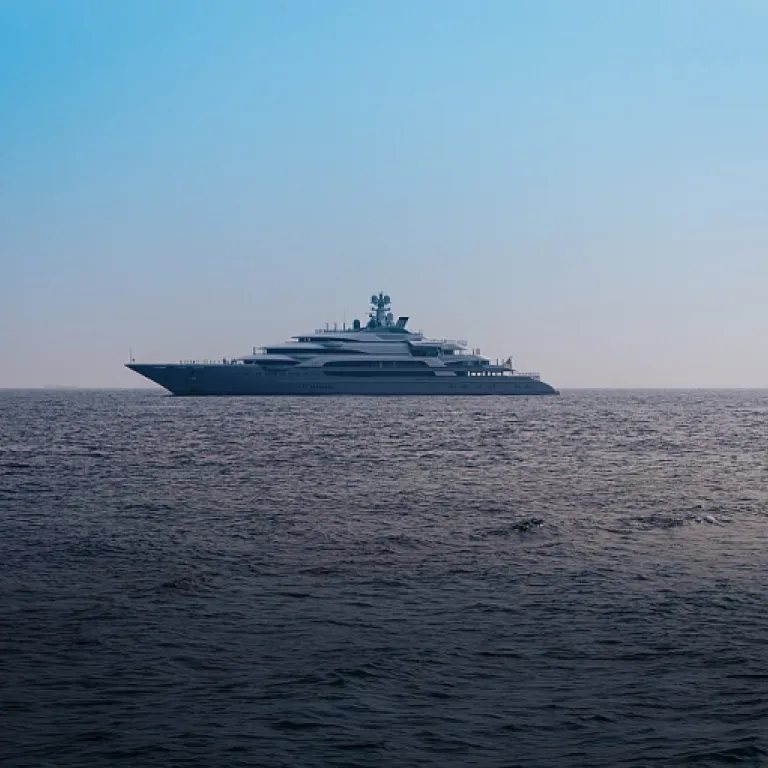
Understanding the appeal of the smallest cruise ship in the world
Why Small Cruise Ships Are Captivating Yacht Enthusiasts
The world’s smallest cruise ship is redefining what it means to experience the open seas. For many yacht lovers, the appeal of small ships goes far beyond their size. These vessels offer a unique blend of intimacy, luxury, and adventure that larger cruise ships and traditional hotels simply can’t match. The ability to dock at exclusive ports, explore hidden gems in the Caribbean, and enjoy personalized service makes small cruise travel a top choice for discerning guests.
Unlike the massive cruise ships that dominate the industry, the smallest cruise ships focus on delivering a curated experience. With fewer cabins—sometimes as few as 50 rooms—guests enjoy more space per person, often with suites measuring several hundred square feet. The main dining room and specialty restaurants are designed for comfort and exclusivity, creating a relaxed atmosphere where every meal feels like a special occasion. Small luxury ships offer a sense of community, where guests and crew quickly become familiar faces, making each day at sea feel personal and memorable.
- Access to remote ports and destinations not available to larger ships
- Flexible itineraries for exploring the best of the Caribbean, South America, and beyond
- High staff-to-guest ratios for attentive, tailored service
- Luxury amenities rivaling top hotels, from fine dining to wellness facilities
For those who value privacy and exclusivity, booking a cruise on the world’s smallest cruise ship is a chance to escape the crowds and immerse themselves in the best of ocean cruise travel. The experience is less about the number of things to do and more about the quality of each moment—whether it’s a quiet evening in your cabin, a gourmet meal in the main dining room, or a day spent exploring a secluded port.
As the yacht industry evolves, small ships are setting new standards for luxury and guest satisfaction. For a deeper look at how excellence is being redefined in this sector, explore how Sterling Boats are redefining excellence in the yacht industry.
Design innovations for compact luxury
Maximizing Space Without Sacrificing Comfort
Designing the world’s smallest cruise ship is a true exercise in creativity. Every square foot counts, and the challenge is to deliver a luxury experience that rivals larger cruise ships and even high-end hotels. The best small ships use clever layouts and multi-functional spaces to ensure guests never feel cramped. Cabins are designed with smart storage, convertible furniture, and panoramic windows that bring the ocean inside. Even the main dining room and specialty restaurants are thoughtfully arranged to create an intimate yet open atmosphere, making every meal feel exclusive.
Innovative Features for a Boutique Experience
Small luxury ships offer amenities that surprise many first-time guests. Despite their size, these ships offer spa facilities, plunge pools, and lounges that rival those on larger Caribbean ships. Some even feature open-air dining and private balconies, maximizing the connection to the sea. The use of advanced materials and modular design allows for flexible spaces that can transform from a daytime lounge to an evening entertainment venue. This adaptability is key for small cruise ships to offer a variety of experiences on board, from quiet reading corners to lively social gatherings.
Technology and Efficiency at Sea
Technology plays a major role in the design of the world’s smallest cruise ships. Energy-efficient lighting, advanced air filtration, and smart climate control systems help maintain comfort while reducing environmental impact. Navigation and safety systems are integrated seamlessly, ensuring smooth operation even in challenging seas. These innovations not only enhance the guest experience but also support the ship’s operational efficiency, a crucial factor for small ships traveling to remote ports in the Caribbean or South America.
Setting New Standards in Small Ship Design
The evolution of small cruise ship design is closely linked to trends in the broader yacht and ocean cruise industry. As more travelers seek unique, intimate experiences, designers are pushing boundaries to create ships that feel like private floating hotels. For a deeper dive into how performance and innovation are shaping small vessels, exploring the world of Class 40 sailboats offers valuable insights into the latest advancements and community-driven design philosophies.
- Smart use of every room and public space
- Flexible dining options, from main dining rooms to specialty restaurants
- Focus on guest comfort with luxury materials and finishes
- Integration of technology for efficiency and sustainability
These design innovations are setting a new benchmark for what small cruise ships can offer, ensuring that guests enjoy the best of both worlds: the intimacy of a boutique hotel and the adventure of ocean cruise travel.
Operational challenges and solutions
Managing Space and Service on the World’s Smallest Cruise Ship
Running the world’s smallest cruise ship is a balancing act between luxury and logistics. With fewer square feet compared to traditional cruise ships, every room, cabin, and dining area must be carefully designed to maximize comfort and efficiency. The main dining room and specialty restaurants are often more intimate, offering a boutique hotel-like experience at sea, but this also means less space for storage, crew quarters, and guest amenities.Port Access and Itinerary Flexibility
One of the best things about small ships is their ability to access ports that larger cruise ships simply cannot reach. This opens up unique cruise travel opportunities in the Caribbean, South America, and even remote islands. However, smaller ships must navigate operational challenges like limited docking facilities and tighter schedules. Turnaround time in port is crucial, as is coordinating with local authorities to ensure smooth embarkation and disembarkation.Staffing, Training, and Guest Experience
Operating with a smaller crew means each staff member must be highly skilled and versatile. From the main dining room to specialty restaurants, service must remain at a luxury standard despite fewer hands on deck. This requires ongoing training and a focus on guest experience, ensuring that every day at sea feels exclusive and personalized. For a deeper look at how crew dynamics are evolving in the industry, see this article on all-female crews in the private yacht industry.- Small luxury ships offer a quieter, more relaxed atmosphere compared to larger caribbean ships.
- Dining options are curated, with fewer but higher-quality venues.
- Cabin layouts are optimized for comfort, making the most of limited space.
Logistics and Supply Chain
Supplying a small cruise ship presents its own set of challenges. With less storage, careful planning is needed for food, beverages, and guest amenities. The ship must also be ready to adapt to unexpected changes in itinerary, weather, or guest preferences. This agility is part of what makes the smallest cruise ships so appealing to those seeking a unique ocean cruise experience. In summary, the operational challenges faced by the world’s smallest cruise ship are met with innovative solutions that prioritize guest satisfaction, efficient use of space, and a commitment to delivering the best in small luxury cruises.Environmental impact and sustainability
Balancing Luxury and Eco-Consciousness
The world’s smallest cruise ship brings a new dimension to sustainable travel, especially compared to larger cruise ships and traditional hotels. With fewer guests and a smaller footprint, these small ships can minimize their impact on the seas and the ports they visit. The experience is not just about luxury, but also about responsible cruising—something increasingly valued by today’s travelers.
Resource Efficiency on Board
One of the main advantages of a small cruise ship is its efficient use of resources. Cabins and public spaces, such as the main dining room and specialty restaurants, are designed to maximize comfort within limited square feet. This means less energy is needed for heating, cooling, and lighting. Water usage is also optimized, with advanced filtration systems and reduced waste compared to larger ships or hotels. These ships offer a more intimate experience while keeping operational needs in check.
- Smaller engines and propulsion systems reduce fuel consumption
- Modern waste management systems help minimize pollution
- Eco-friendly materials are used in construction and interior design
Port Access and Local Impact
Small cruise ships can access ports that are off-limits to larger vessels, from hidden Caribbean coves to less-traveled South America destinations. This not only provides guests with unique experiences, but also reduces congestion in popular ports. By spreading tourism more evenly, these ships help protect fragile environments and support local economies. The best small luxury ships often partner with local suppliers for dining and excursions, further reducing their environmental footprint.
Adapting to New Regulations
As environmental regulations tighten worldwide, the smallest cruise ships are often ahead of the curve. Their size allows for quicker adoption of new technologies, such as hybrid engines or advanced wastewater treatment. Cruise travel companies are investing in innovations that make each day at sea more sustainable, ensuring that guests can book a cruise with confidence that their journey respects the oceans.
Ultimately, the shift toward small cruise ships reflects a broader trend in the industry: a commitment to both luxury and sustainability. As guest expectations evolve, so too does the focus on protecting the very seas that make these experiences possible.
Market trends and guest expectations
Changing Guest Preferences in Small Ship Cruising
The world’s smallest cruise ships are redefining what travelers expect from a cruise experience. Unlike the mega cruise ships that dominate the Caribbean seas, these small ships focus on intimacy, personalized service, and unique itineraries. Guests are increasingly seeking a sense of exclusivity and connection—both with the ocean and with fellow travelers. The desire for a more boutique hotel-like atmosphere at sea is driving demand for small luxury ships, where every cabin and dining room feels thoughtfully designed and never crowded.
What Today’s Travelers Value Most
- Personalized Service: With fewer guests on board, crew can offer tailored attention, making each cruise feel like a private yacht experience.
- Unique Destinations: Small cruise ships can access ports that larger ships simply can’t, from hidden Caribbean islands to remote South America harbors.
- Flexible Itineraries: Smaller ships offer more spontaneous shore excursions and the ability to adapt routes based on weather or guest interests.
- Quality Over Quantity: Guests are choosing smaller ships for their focus on high-end dining, specialty restaurants, and spacious cabins—sometimes over 300 square feet, rivaling top hotels.
Market Trends Shaping the Industry
Recent years have seen a steady rise in bookings for small cruise ships, especially among seasoned cruise travelers who have already sailed with major lines like Royal Caribbean. The appeal of the world’s smallest cruise ship is not just about size, but about the curated experience. Small ships offer a sense of community, where guests can get to know each other and the crew over multi-course meals in the main dining room or during day-long excursions. The trend is also influencing larger cruise lines to introduce smaller vessels or specialty cruises, aiming to capture this growing market segment.
How Small Ships Compete with Larger Vessels and Hotels
While large cruise ships and luxury hotels still dominate the travel landscape, small cruise ships are carving out a niche for travelers who value time, privacy, and authenticity. The ability to book a cruise that feels more like a private ocean cruise than a floating resort is a major draw. Small ships offer the best of both worlds: the amenities of a luxury hotel and the adventure of exploring new ports each day. As guest expectations evolve, the industry is responding with innovative ships that prioritize space, service, and sustainability, ensuring that the smallest cruise ships remain at the forefront of luxury travel.
The future of small-scale cruising in the yacht industry
Shaping Tomorrow’s Small Ship Voyages
The world’s smallest cruise ships are redefining what it means to travel by sea. As the industry evolves, these compact vessels are setting new standards for luxury, privacy, and personalized experiences. Unlike traditional cruise ships, small ships offer a more intimate atmosphere, making each day at sea feel exclusive and tailored to the guest’s preferences. Small luxury ships are increasingly favored for their ability to access ports that larger ships cannot reach. This opens up unique itineraries in the Caribbean, South America, and even remote islands, allowing guests to explore destinations that are often overlooked by mainstream cruises. The flexibility to dock at smaller ports means travelers can enjoy authentic local experiences, from specialty restaurants to boutique hotels, all within walking distance of the ship. Guests are also expecting more from their cruise travel. The demand for spacious cabins, innovative dining rooms, and world-class amenities is pushing designers to maximize every square foot on board. Today’s small cruise ships rival the best hotels in terms of comfort and service, with main dining rooms and specialty restaurants offering diverse culinary options. Technology is playing a key role in shaping the future of small-scale cruising. From advanced environmental systems to streamlined booking platforms, operators are finding new ways to enhance the guest experience while minimizing their environmental footprint. Sustainable practices, such as energy-efficient engines and waste reduction programs, are becoming standard across the fleet. The market for small ships is expected to grow as more travelers seek unique, high-end experiences at sea. Whether it’s a short Caribbean cruise or an extended ocean cruise to South America, these ships offer a level of luxury and exclusivity that is hard to match. As the industry continues to innovate, the smallest cruise ships are poised to become the best choice for discerning travelers looking for something truly special on the world’s seas.- Small ships access exclusive ports, enhancing the overall experience
- Luxury cabins and dining rooms rival top hotels
- Focus on sustainability and advanced technology
- Growing demand for personalized, intimate cruises