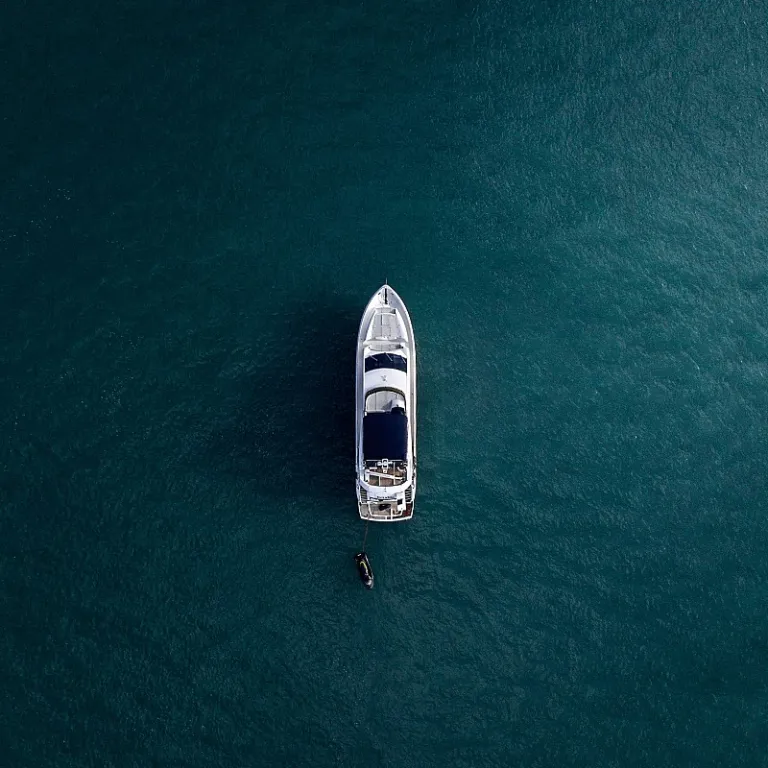

Understanding the Mediterranean’s unique sailing conditions
Reading the Winds and Waters of the Mediterranean
Sailing the Mediterranean Sea is a dream for many yacht enthusiasts. The region is famous for its diverse sailing conditions, ranging from gentle breezes along the French Riviera to brisk winds in the Aegean. Understanding these unique patterns is key to a safe and enjoyable journey, whether you are planning a yacht charter or setting sail on your own boat.
The Mediterranean offers a blend of open sea passages and sheltered coastal routes. Summer months typically bring calm seas and predictable weather, making it the best time for a sailing vacation. However, sudden changes can occur, especially in transitional seasons. The mistral in southern France, the meltemi in Greece, and the sirocco from North Africa can all impact your route and comfort. Monitoring forecasts and understanding local wind patterns is essential for all passengers and crew.
- Popular sailing destinations: From the Balearic Islands to the Ionian Islands, and from the coast of Croatia to the Aeolian Islands in Italy, each area presents its own set of sailing conditions and challenges.
- Coastal navigation: Many Mediterranean destinations feature rocky shores and hidden coves, ideal for anchoring but demanding careful navigation, especially at night or in crowded waters.
- Island hopping: The islands of Greece, including the Cyclades and Dodecanese, are renowned for their winds, while the Amalfi Coast offers a more sheltered experience, perfect for those starting their Mediterranean sailing adventure. For more on this region, discover the best yacht charter experiences on the Amalfi Coast.
Choosing the right time and route is crucial. The Mediterranean sailing season peaks from May to September, when conditions are most favorable for both experienced sailors and those new to yacht charters. Planning ahead ensures you make the most of your days at sea, whether exploring hidden bays or vibrant coastal towns.
Navigating regulations and maritime boundaries
Crossing Borders: What Every Skipper Needs to Know
Sailing the Mediterranean means navigating not just the sea, but also a patchwork of national waters and local regulations. Whether you’re chartering a yacht for a week or embarking on a longer journey, understanding these boundaries is essential for a smooth experience. The Mediterranean offers a rich mix of destinations, from the islands of Greece and the Ionian Islands to the coastlines of Italy, Croatia, and the French Riviera. Each country has its own maritime rules, entry requirements, and customs procedures. For example, when sailing between the Balearic Islands and the Aeolian Islands, you’ll need to check in and out at designated ports, present valid documentation for your boat and passengers, and sometimes declare your route.- Carry original registration papers for your yacht or charter boat
- Ensure all passengers have valid passports and, if needed, visas
- Familiarize yourself with local maritime laws, especially in popular summer months when patrols are more active
- Be aware of protected marine areas and restricted zones, which are common in the best sailing destinations
Paperwork and Permits: Avoiding Unwanted Surprises
Before you set sail, research the specific requirements for each country you plan to visit. For instance, Greece and Croatia are known for their clear but strict entry procedures, while Italy may require additional permits for certain coastal areas. Charter Mediterranean routes often include stops in multiple countries, so planning ahead will save you time and stress. If you’re considering a sailing vacation with a yacht charter, many companies will help you manage the paperwork. Still, it’s wise to double-check requirements for your chosen destinations Mediterranean-wide. This is especially important if you plan to anchor overnight or spend several days exploring remote islands. For those looking for the ultimate sailing adventure, check out this guide to Yacht Week Croatia 2024 for practical tips on crossing borders and enjoying the best of the Mediterranean.Local Knowledge: Your Best Asset
Connecting with local marinas and yacht clubs can provide up-to-date information on sailing conditions, recent regulation changes, and the best places to dock or anchor. Many seasoned sailors recommend starting your journey with a chat at the harbor office, especially in busy areas like the French Riviera or during the peak summer months. Remember, the Mediterranean Sea is a dynamic environment. Regulations can change quickly, especially in response to environmental concerns or increased travel. Staying informed and flexible is key to making the most of your Mediterranean sailing adventure.Managing yacht maintenance in diverse environments
Keeping Your Yacht in Top Shape Across Mediterranean Waters
Sailing the Mediterranean Sea is a dream for many, but the region’s diverse environments—from the salt-laden winds of the Greek islands to the sun-soaked coasts of Italy and Croatia—demand a proactive approach to yacht maintenance. Whether you’re planning a yacht charter for a few days or embarking on a longer sailing vacation, understanding how to care for your boat in these unique conditions is essential for a safe and enjoyable journey.- Salt and Sun Exposure: The Mediterranean offers some of the best sailing conditions, but the combination of intense sun and high salinity can accelerate wear on your yacht’s exterior and systems. Regular rinsing with fresh water, especially after nights at anchor in the Ionian or Aeolian islands, helps prevent corrosion and keeps your boat looking its best.
- Engine and Systems Checks: Frequent stops at different destinations—whether along the French Riviera or the Balearic Islands—mean varying water quality and temperature. Routine checks of cooling systems, filters, and electrical components are crucial, especially during the busy summer months when charter Mediterranean activity peaks.
- Hull and Propeller Care: The Mediterranean’s warm waters encourage rapid marine growth. Scheduling periodic hull cleaning, particularly if you’re sailing Mediterranean routes for extended periods, will help maintain performance and fuel efficiency.
- Local Support and Spare Parts: Each coast and island offers different levels of support. In popular sailing destinations like Greece or Croatia, you’ll find well-equipped marinas and skilled technicians. However, in more remote areas, sourcing parts may require planning ahead. It’s wise to carry essential spares and establish contacts at marinas along your route.
The art of anchoring and mooring in crowded waters
Mastering Anchoring Techniques in Bustling Mediterranean Waters
Sailing the Mediterranean Sea is a dream for many yacht enthusiasts, but the reality of anchoring and mooring in its popular destinations can be challenging. During the summer months, the best sailing spots like the Greek islands, the Balearic Islands, and the coastlines of Italy and Croatia attract a surge of boats. This creates crowded anchorages, especially near iconic destinations such as the Ionian Islands or the Aeolian Islands. Understanding local anchoring customs and regulations is crucial. Some bays require stern-to mooring, while others offer laid moorings or floating pontoons. The conditions can change quickly, with shifting winds and varying seabed types. Sand, weed, and rock bottoms each demand different anchoring techniques. Always check your charts and local notices before dropping anchor to ensure the safety of your yacht and passengers.- Arrive early in the day to secure a good spot, especially in high season.
- Prepare your anchor and lines in advance to minimize time spent maneuvering in tight spaces.
- Monitor your swing radius, as boats are often packed closely together.
- Use a trip line if anchoring in areas known for fouled seabeds.
Choosing Between Anchorages and Marinas
The Mediterranean offers a mix of secluded bays and bustling marinas. While anchoring off a quiet island provides a unique sailing vacation experience, marinas along the French Riviera or in major ports like Split or Palermo offer reliable services and security. Many yacht charters recommend alternating between nights at anchor and nights in marinas to balance adventure with comfort. When planning your travel days, consider the prevailing sailing conditions and the proximity of provisioning points. Some islands in Greece and Croatia have limited facilities, so it’s wise to stock up before heading to remote anchorages. Local support networks, such as harbor masters and yacht agents, can be invaluable for up-to-date advice on the best mooring options and weather conditions.Respecting the Environment and Fellow Sailors
With the Mediterranean’s popularity, sustainable practices are more important than ever. Avoid anchoring on sensitive seagrass beds, which are vital for the health of the sea. Many destinations now mark protected areas, so always follow local guidelines. Keep noise to a minimum during the nights, and respect the privacy of other boats—courtesy goes a long way in crowded anchorages. Whether you’re starting your journey along the coast of Italy or exploring the islands of Greece, mastering the art of anchoring and mooring will enhance your Mediterranean sailing adventure. The region offers some of the best sailing conditions and unforgettable nights under the stars, but preparation and respect for the sea and your fellow sailors are key to a memorable yacht charter experience.Sourcing provisions and local support
Finding Fresh Provisions Across the Mediterranean
Sourcing quality provisions is a key part of any successful sailing vacation in the Mediterranean. The region’s diverse coastlines, from the French Riviera to the Ionian Islands, offer a wealth of local produce, seafood, and specialty goods. However, the best approach depends on your route, yacht size, and the number of passengers on board.- Local Markets: Coastal towns in Greece, Italy, and Croatia host vibrant markets, especially during the summer months. These are ideal for stocking up on fresh fruits, vegetables, and regional delicacies. Early mornings often provide the best selection and a chance to interact with local vendors.
- Supermarkets and Marinas: Larger ports and popular sailing destinations like the Balearic Islands or the Aeolian Islands offer well-stocked supermarkets. Some marinas even provide provisioning services, delivering directly to your boat—convenient for charter Mediterranean trips or longer passages.
- Specialty Stores: For gourmet needs, look for bakeries, cheese shops, and fishmongers along the coast. These are especially common in Italian and French towns, where local products can elevate onboard dining.
Building Local Support Networks
When sailing Mediterranean waters, tapping into local support is invaluable. Yacht charters and private owners alike benefit from connecting with marina staff, local agents, and fellow sailors. These contacts can help with:- Finding the best mooring spots during busy nights
- Recommending trusted mechanics or maintenance services for your yacht
- Suggesting hidden sailing destinations or must-visit islands in Greece and Croatia
Planning for Extended Days at Sea
For those starting longer passages or exploring remote islands, careful planning is essential. Consider:- Storing non-perishable goods for days when fresh supplies are limited
- Ensuring adequate water and fuel reserves, especially in less developed areas
- Checking local regulations on waste disposal to maintain sustainable practices
Sustainable practices for Mediterranean yacht cruising
Eco-Friendly Choices for Responsible Cruising
As yacht charters and private boats increasingly explore the Mediterranean Sea, the impact on its delicate ecosystems becomes more visible. Whether you’re sailing the Ionian Islands, the Balearic Islands, or the coast of Croatia, adopting sustainable practices is essential for preserving these best sailing destinations for future generations.
- Waste Management: Always separate and store waste onboard. Many marinas in Greece, Italy, and the French Riviera offer recycling facilities. Avoid discharging any waste at sea, especially plastics, which threaten marine life.
- Eco-Conscious Products: Choose biodegradable cleaning products and reef-safe sunscreens. These reduce chemical runoff, particularly important in the clear waters around islands like the Aeolian Islands and the popular sailing spots of the Mediterranean.
- Water Conservation: Freshwater is precious on a yacht, especially during the busy summer months. Use water-saving devices and be mindful of consumption during longer nights at anchor or when traveling between remote destinations.
- Energy Efficiency: Rely on wind power by maximizing your sail time instead of motoring. Solar panels and energy-efficient appliances can help reduce your carbon footprint as you travel between islands and coastal towns.
- Respect Marine Life: Avoid anchoring on sensitive seabeds, such as seagrass meadows, which are vital for the Mediterranean’s biodiversity. Use designated mooring buoys where available, especially in protected areas like the Ionian Islands or Croatia’s national parks.
Supporting Local Communities and Culture
One of the joys of a Mediterranean sailing vacation is discovering the unique character of each destination. By sourcing provisions from local markets and engaging with local services, yacht passengers can support coastal economies. This approach not only enriches your travel experience but also helps maintain the authenticity of Mediterranean sailing destinations.
As the popularity of yacht charters grows, especially in the best months for sailing Mediterranean waters, responsible travel ensures that the sea, coast, and islands remain pristine. Sustainable cruising is not just a trend—it’s a necessity for anyone passionate about the Mediterranean yacht lifestyle.